_edited_9.png)

INTRODUCTION:
Table of Contents
In this blog post, we’ll discuss scientific evidence, the pros and cons, the myths surrounding both types of drinks, and how they differ practically, focusing specifically on homes and their respective water systems in Australia. More and more Australians are interested in drinking alkaline water for its alleged ability to hydrate better than other soft drinks and to help maintain an even balance of minerals in the body.
To distinguish between standard and alkaline water, we should examine their pH levels and the types of minerals available in different sources across Australia.
This article will cover the basic differences between standard and alkaline drinking water, how you can create an alkaline drinking-water supply at home, and the Treatment of all water supplies in Australia before they are delivered to your tap.
What Exactly Is Alkaline Water?
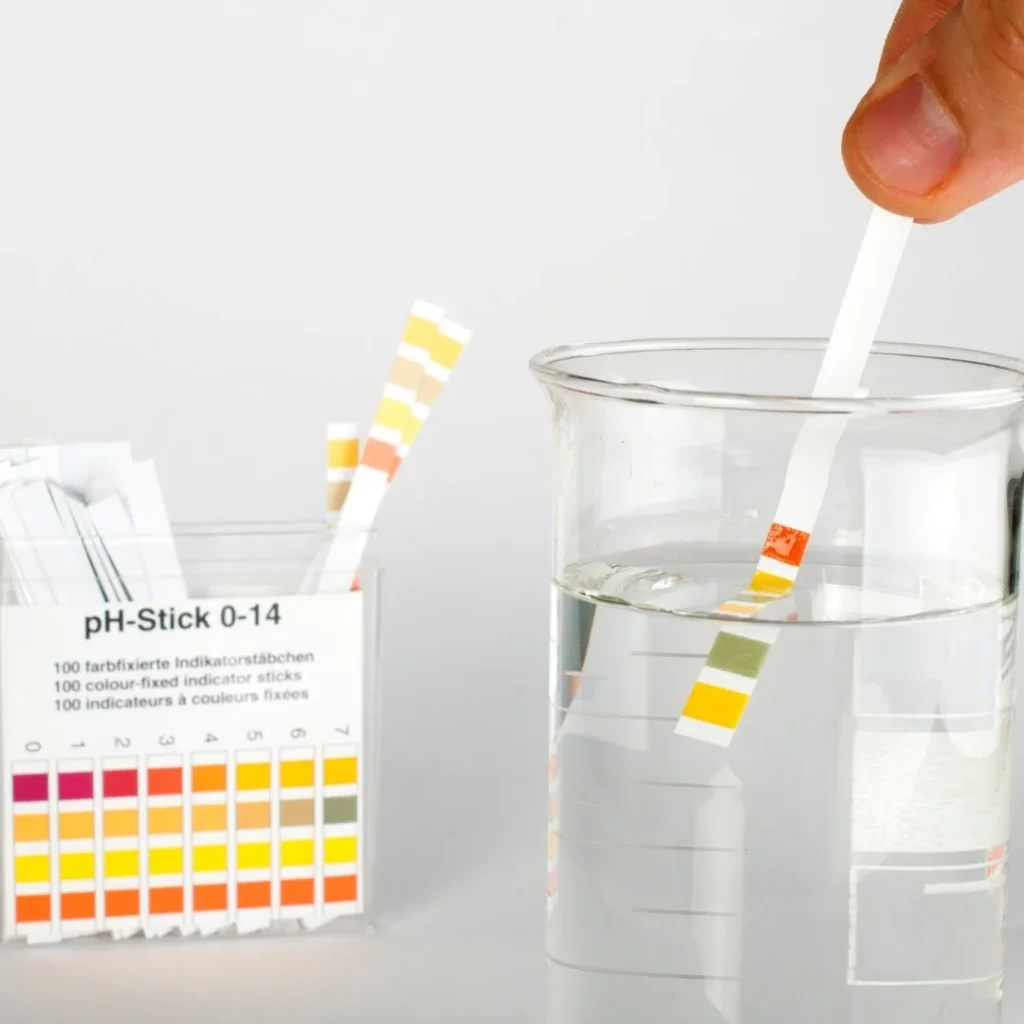
To understand the various categories of drinking water, one must first understand the characteristics of alkaline water. It is referred to as alkaline water when its pH is higher than that of regular drinking water. The pH scale ranges from 0 to 14; 7 indicates exact neutrality. Most municipal water sources typically fall near this neutral point, whereas alkaline water has a pH of 8-9.5.
pH Level and Chemical Balance
Alkaline water contains an abundance of alkaline minerals, including calcium, magnesium, and potassium. These minerals have a positive effect on the body’s pH balance. Thus, they contribute to alkaline water containing slightly higher levels of alkaline minerals than other waters.
Mineral-Enriched Drinking Water
Alkaline Water is produced in many cases using modern filtration machines designed to add mineral content back into clean water. Since alkaline water is enriched with minerals, it typically has a smoother taste and feel than standard drinking water.
Understanding Regular Drinking Water in Australia
The municipal Treatment system is the main way Australia provides drinking water to homes. It uses a combination of supplies from reservoirs, rivers, groundwater, and desalination plants, which are stored in reservoirs before being cleaned to make them safe for drinking.
Treatment and Safety Standards
Even though tap water is safe, it doesn’t meet all the criteria for alkaline water. The pH of tap water in many Australian cities is in the neutral range of 6.5 to 8.5, depending on the Treatment process and water source.
Mineral Differences Compared to Alkaline Water
Australian water authorities test for minerals, bacteria, and chemicals to keep our drinking water safe. Alkaline water has a higher mineral content than regular tap water, which is another reason people choose to use alkaline water in their homes.
The Science Behind pH Levels in Drinking Water
One of the biggest differences between alkaline water and regular water is their pH levels. pH indicates whether a fluid is acidic or basic; therefore, pure neutral H20 would have a pH of 7. Alkaline H20 will have a pH above that value.
Many people who support alkaline water say that the small amount of extra alkalinity may help maintain a more balanced body pH. Because the human body performs this function naturally, those who choose to consume alkaline water do so because they believe it helps maintain a healthy internal environment.
Tap water has a fairly neutral pH and is regulated to prevent pipe corrosion and ensure safety. For households looking to have alkaline water, there are two options available. Use a specialized filter or use an ionizer.
Alkaline water can taste smoother or exhibit a slight variation compared to regular drinking water due to its pH level.
Mineral Content: One of the Key Differences
Another key difference between alkaline water and regular drinking water is the mineral content. Minerals contribute significantly to the taste, nutritional value, and chemical properties of water.
Important Minerals in Alkaline Water
Alkaline water typically has higher amounts of minerals, including calcium, magnesium, and potassium, than regular tap water. This enriched mineral content raises the pH, giving alkaline water its unique properties.
Mineral Variation in Regular Water
Regular tap water contains minerals from its source. However, these minerals tend to be present in lower concentrations than in alkaline waters. The more consistent mineral profiles in alkaline waters are also due to differences in mineral concentrations between regular tap water and alkaline water.
How Alkaline Water Is Produced
There are several methods for creating alkaline water, especially for residential use in Australia.
Water Ionization Technology
One of the most popular techniques is the ionized water filter. Ionizing machines use electrolysis to separate acidic and alkaline minerals from plain tap water. Thus, allowing individuals to consume water with a high pH level.
Mineral Filtration Systems
In addition, many other systems are available for producing alkaline mineral water. One example of this type of device is a filter that removes impurities from conventional water before adding alkaline minerals. This process uses mineral cartridges to raise the pH of filtered tap water.
Filtration methods are also available. These include removing impurities from the water and adding minerals back into it in an alkaline form. State by passing the water through mineral cartridges and raising its pH level to produce alkaline drinking water from regular tap water.
Geological conditions can make some natural water sources alkaline. Alkaline water can naturally occur when water passes through rock formations rich in minerals. However, because urban areas in Australia typically lack alkaline water sources, many people use home filtration systems to produce alkaline water.
Potential Benefits Associated with Alkaline Water
Interest in alkaline water has grown because of various health and lifestyle claims.
Hydration and Mineral Intake
Alkaline water offers better hydration to many people than other forms of drinking water. Alkaline water’s mineral composition can help maintain a healthy level of hydration throughout your day.
Taste and Drinking Experience
Alkaline Water is said to have a smooth taste. Because of the minerals that affect its flavor, people think that drinking alkaline water makes them feel better than drinking regular tap water.
Comparing Taste, Hydration, and Everyday Use
In terms of daily drinking habits, the first major difference between alkaline water and regular water is taste. The mineral content of Alkaline Water makes it less acidic-tasting than other types of drinking water. So many athletes/exercise enthusiasts believe that switching from regular tap water to alkaline water will help their bodies stay well-hydrated while exercising, thanks to the alkaline minerals it contains.
However, how much fluid an individual consumes over a prolonged period, rather than just the mineral content, will determine whether they are adequately hydrated during exercise or after exertion, although alkaline water may make the fluid taste fresher than regular tap water. Some claim that drinks made with alkaline water have a lighter taste than those made with regular tap water.
Although these differences will generally be very slight and won’t be the sole reason for the increased popularity of alkaline water among Australians, they can be part of the reason so many Australians are using it.
Alkaline Water and Australian Household Water Systems
Many Australian homes are now investigating more sophisticated methods of filtering their water to create alkaline-based drinking water right from their kitchen sink using an advanced filtration system.
Home Filtration Technology
A typical home system might include sediment filters, carbon filters, and mineral filter cartridges, which work together to transform household tap water into alkaline water.
Environmental Benefits
Many Australian homes are now investigating more sophisticated methods of filtering their water to create alkaline-based drinking water right from their kitchen sink using an advanced filtration system.
Quick Comparison: Alkaline Water vs Regular Water
Feature Alkaline Water Regular Tap Water
- Typical pH Level: Usually 8–9.5, Usually 6.5–8.5
- Mineral Content: Higher levels of calcium, magnesium, and potassium. Lower and varies by source.
- Production Method: Ionizers, mineral cartridges, alkaline filtration systems, Municipal Treatment plants
- Taste: Often smoother and slightly less acidic. Neutral taste depending on minerals
- Cost is higher due to filtration systems or bottled products. Very low cost from the municipal supply.
- Popular Users: Health-conscious consumers, athletes, and wellness communities. General population
- Environmental Impact: Can reduce plastic waste when produced at home—low impact when consumed directly from the tap.
Scientific Research and Evidence About Alkaline Water
Research into the effects of alkaline water is an emerging area of scientific inquiry. Many ongoing studies are investigating hydration parameters, mineral intake and its impact, and digestion. In laboratory studies, researchers suggest that alkaline water with a higher pH may help neutralize some amount of acid under specific circumstances. Furthermore, studies have examined whether alkaline water helps relieve acid reflux symptoms.
A small clinical study found that alkaline water with a pH greater than 8.8 may deactivate pepsin. Researchers say, however, that more large-scale research on alkaline water is needed before any definitive claims can be made about its medical benefits.
For this reason, many experts view alkaline water as a lifestyle hydration choice rather than a medically proven health Treatment.
Specific Health Claims: Possible Benefits and Limitations
Marketers make many claims about alkaline water, including that it improves a person’s energy, digestion, and overall well-being. For example, proponents of drinking alkaline water claim that it reduces the body’s acidity and helps maintain proper metabolism.
Potential Benefits Often Mentioned
Many individuals report that regularly consuming alkaline water provides benefits such as better hydration, easier drinking, and higher daily water intake. The presence of alkaline minerals in alkaline water can also help enhance the intake of these minerals when consumed alongside regular drinking water.
Limitations and Scientific Debate
Health professionals often state that the advantages of drinking alkaline water are primarily due to improved hydration, rather than to its alkalinity. The amount of water you consume daily has a major influence on your body’s ability to function properly and stay healthy.
Global Trends and Consumer Behavior
The popularity of alkaline water has surged globally over the last 10 years. Numerous brands are present in nearly every country and offer alkaline water as a key appeal in the wellness and fitness sector. Many well-known celebrities, athletes, and social media influencers use it daily as part of their diet and fluid intake.
Research on consumers indicates that several factors influence the popularity of alkaline drinking water. One reason some people prefer alkaline water is that they feel it helps promote better overall health. In contrast, other choices for alkaline drinking water are based on the smoothness when compared with regular tap water.
In some instances, people buy bottled alkaline water and associate it with their lifestyle brand or with the purchase of a premium product. As such, many consumers purchase alkaline drinking water as part of a broader trend toward health and wellness, rather than solely on scientific grounds.
Environmental Impact of Alkaline Water Consumption
Another factor to consider when assessing alkalinity in water versus regular drinking water is its environmental impact. If you frequently consume bottled alkaline water, you may generate significant plastic waste.
If you create alkaline water using an at-home filtration system, the negative impact on the planet will be minimized. At-home filtration systems enable households to filter alkaline water from tap water, eliminating the need for plastic bottles altogether and significantly reducing transportation-related greenhouse gas emissions.
While the number of Australian households that have become aware of the need to live sustainably continues to rise, many are now opting for a filtration method that allows them to produce alkaline water at home rather than purchasing it in a bottle.
Regulation and Water Quality Standards in Australia
In Australia, national guidelines govern the quality of drinking water. These standards keep municipal water supplies free of harmful contaminants and, therefore, ensure they will continue to provide safe drinking water. Therefore, municipalities monitor tap water regularly to ensure it has a proper chemical composition and safe levels of minerals.
Even though commercially available alkaline water must comply with food and beverage safety regulations, there are no special rules regarding this category of bottled water. This means that, like other types of bottled water products, alkaline water must meet national safety standards for contaminants and microbes.
In Australia, tap water is generally safe for human consumption; however, people may still choose to drink alkaline water for flavor or other reasons.
Filtration Systems That Convert Normal Water into Alkaline Water
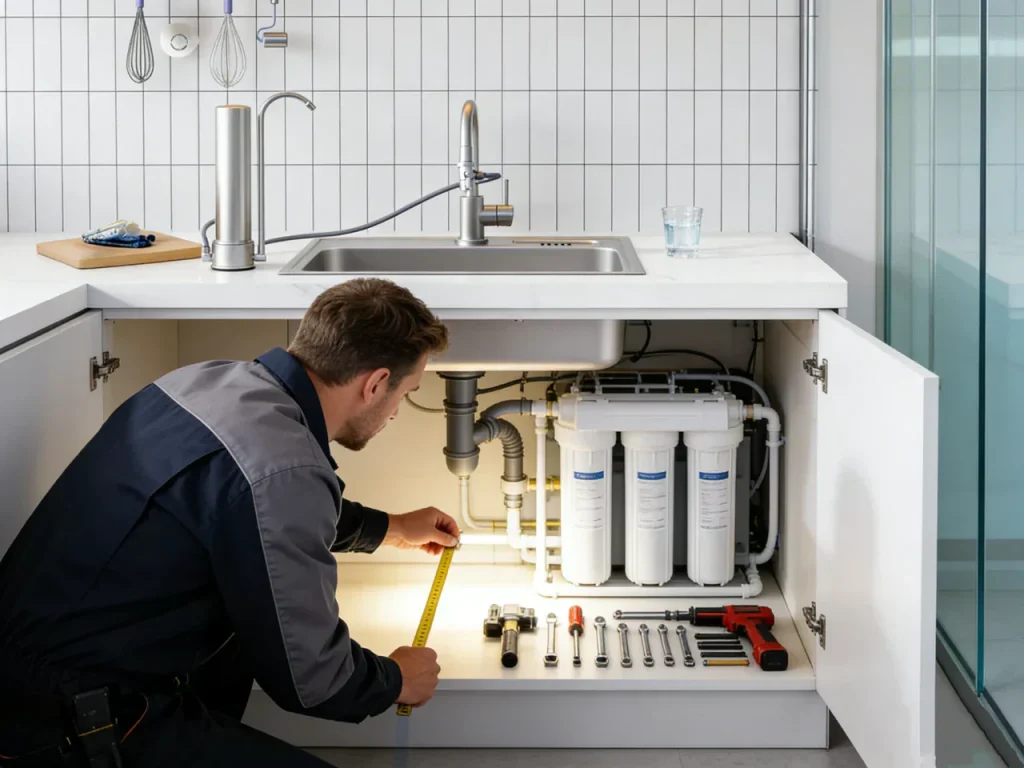
Several filtration technologies can transform regular tap water into alkaline water. These systems are increasingly common in Australian homes.
Water Ionizer Machines
Water ionizers use electrolysis technology to separate the acidic and alkaline components of water. The result is alkaline water with a higher pH, suitable for drinking.
Water Ionizer Machines
Some filtration systems incorporate mineral cartridges containing calcium and magnesium. When filtering water through these cartridges, the minerals dissolve, raising the water’s pH to produce alkaline water.
Reverse Osmosis with remineralization
Advanced reverse-osmosis purification systems not only purify the water but also reintroduce alkaline minerals into the filtered water, creating purer alkaline drinking water with an accurately controlled mineral level.
Cost Comparison: Alkaline Water vs Regular Water
When comparing alkaline water with standard drinking water, cost is another area to consider. In Australia, municipal tap water is quite cheap due to government funding of public infrastructure.
Bottled alkaline waters tend to be much more expensive than traditional bottled waters. In fact, several premium bottled alkaline waters are priced at a multiple of their regular bottled water counterparts. The cumulative cost of daily bottled alkaline water purchases can add up for many households over time.
Home filtration systems offer a more cost-effective option for many households than buying bottled alkaline water, allowing them to make their own alkaline water. Once the equipment is purchased, families using these systems will incur lower long-term costs.
Possible Side Effects or Risks
Typically, consuming alkaline water is safe for healthy people. Yet very rarely, drinking excessive amounts of alkaline-containing drinks may jeopardize the acid levels in your stomach.
A person with kidney disease should consult a healthcare professional before increasing their daily intake significantly.
It should also be noted that extremely high-pH alkaline water products are rarely found in regulated markets, and there are safety limits regarding toxic chemicals in drinking water.
Common Myths About Alkaline Water
Even though alkaline water is very popular, there are many misconceptions about it. One is that drinking alkaline water can change a person’s pH level. This isn’t true. The body maintains its internal pH through natural biological processes.
Despite its prevalence in society, there are lots of myths surrounding alkaline water. One of the more common myths about alkaline water is that it can change a person’s overall body pH balance. In fact, the human body has many biological mechanisms to maintain a constant internal pH.
Another misconception about alkaline water is that it cures disease. Alkaline water can help with hydration and mineral intake; however, it cannot substitute for proper medical care or recommend medical Treatment from a licensed physician.
Understanding the many ways these myths propagate gives consumers valuable insight into whether they are incorporating enough alkaline water into their lifestyle and whether they are meeting their hydration and/or mineral needs with this beverage.
Conclusion
There are many distinctions between everyday drinking water and alkaline water. For one, this includes pH level, the amount of minerals present, and the filtration method before consumption. Although Australian tap water is typically safe to use and well-regulated, some households are turning to alkaline water, partly because of its health benefits.
Research on the long-term benefits of alkaline water is ongoing. However, alkaline water remains popular among many people because they seek a more balanced mineral content and an easier drinking experience.
With a basic understanding of how alkaline water differs from regular water, customers will better understand their hydration practices.