_edited_9.png)
Table of Contents
INTRODUCTION:
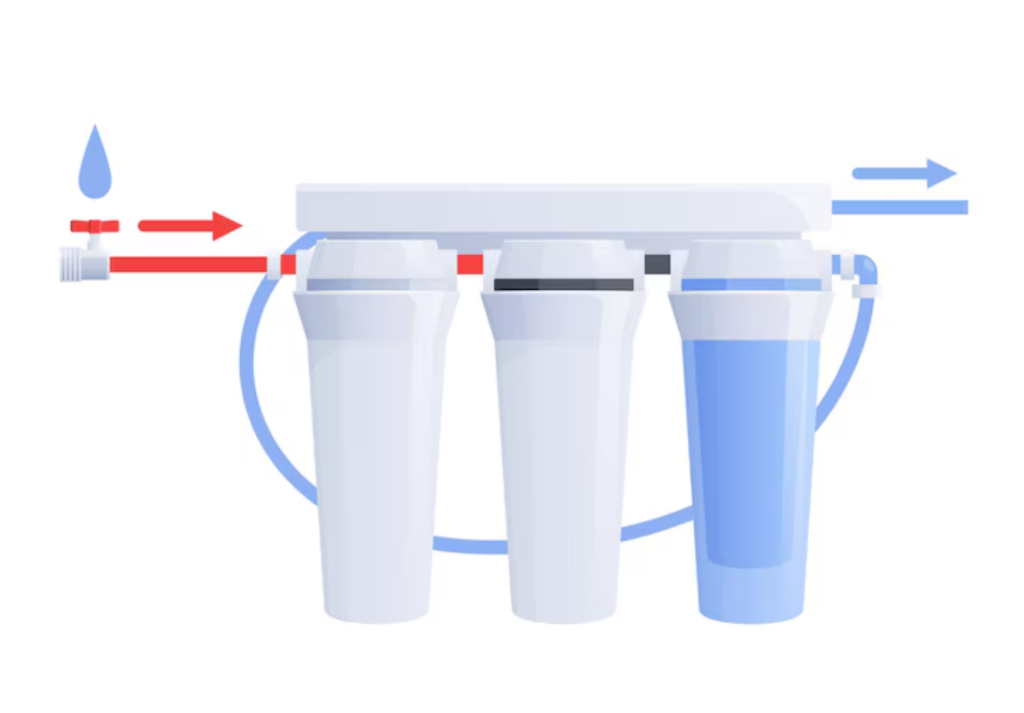
Hard water is a genuine problem for millions of Australian apartment dwellers. The excess calcium and magnesium minerals that cause water hardness are responsible for limescale buildup on appliances, soap scum on bathroom surfaces, dry skin and brittle hair, and premature wear on plumbing fixtures. In cities like Perth, Adelaide, and Brisbane, where water hardness levels are among the highest in the country, the impact on daily life and household running costs can be significant.
The good news is that compact, apartment-friendly water softener systems are more accessible and affordable than ever in 2026. This guide covers everything Australian apartment dwellers need to know, from how water softeners work and which type suits rental living to installation, costs, and the top models available in Australia right now.
1. What Is an Apartment Water Softener?
A water softener for an apartment is a water-purifying machine that processes hard water by removing excess minerals like calcium and magnesium, which cause water hardness. These minerals are the culprits behind soap scum, blocked pipes, and appliance damage. A water softener does this by replacing those hard minerals with soft ones, usually sodium or potassium, using a process known as ion exchange.
Most apartment-sized water softeners are compact and designed specifically for the limited space common in city apartments, fitting neatly under a sink, in a utility cupboard, or beside a hot water system. Perfect for both renters and homeowners, they provide a really easy solution in Australian homes.
How a Water Softener Works
In effect, a water softener operates by passing hard water through a resin bed that captures calcium and magnesium ions. These ions are further exchanged by sodium or potassium. Thus, with the minerals that cause hardness in the water removed, the softened water leaving the softener is also made soft and has no minerals to cause hardness.
Some water softeners feature dual tanks, ensuring you can enjoy clean, softened water whenever you want, while others are single-tank systems that require periodic regeneration. The best systems use salt, even though more advanced technology like salt-free softeners has been on the rise in recent years.
Advantages of Using a Water Softener
- Preserve for Appliances: A water softener will prevent limescale buildup in washing machines, dishwashers, and water heaters. This increases their longevity and lowers the frequency of repairs or replacements.
- Softer Skin & Hair: Soft water is less drying on your skin and hair and can reduce the appearance of dry skin conditions and scale buildup around faucets and fixtures.
- Improved Cleaning Performance: Softened water enhances the effectiveness of detergents and soaps, cleaning everything from dishes and bathing suits to bathroom tubs.
- Better Tasting Water: Softening water can help improve taste, regardless of the water’s source, and remove the mineral taste often found in hard water.
2. Why Do You Need a Water Softener in an Apartment?
Demand for apartment water softeners is growing rapidly across Australia, driven by increasing awareness of how hard water affects both household running costs and everyday comfort. Not only this, but hard water can also be frustrating in apartment living in several ways. It is a buildup of the minerals found in hard water, such as calcium and magnesium, that forms over time in pipes and appliances. This not only means extra costs but also puts a lot of strain on appliances, shortening their lifespans. Here’s why a water softener should be included as part of your apartment configuration:
- Protect Your Plumbing System
Minerals from hard water can build up in your pipes over time. These deposits can cause clogs, reduce water flow, and weaken water pressure. Furthermore, hard water may promote corrosion in a home’s plumbing, leading to costly maintenance.
This can be resolved by installing a water softener. Soft water will pour out of your pipes without mineral residue. This saves you money in the long run and protects your plumbing.
- Improve Your Appliances’ Efficiency
Dishwashers, washing machines, and water heaters are typical victims of hard water. Limescale can make them run much less efficiently, using more power and possibly costing you more on your energy bill every month. In serious cases, scale buildup can lead to premature wear, irreparable damage, and costly repairs.
When removing the minerals that cause scaling, a water softener helps both of these appliances work better. This translates into longer-lasting appliances that run more efficiently and consume less energy.
- Enhance Skin and Hair Health
We all know hard water wreaks havoc on both skin and hair. Its high mineral content also makes soap and shampoo a challenge. The minerals can also dry out your skin and leave your hair brittle and lackluster over time.
When you soften the water, this impact is eliminated. Softer water is also easier on your skin and hair, and you can say goodbye to dry skin, body acne, and lackluster hair!
- Better Cleaning Performance
Soaps, detergents, and shampoos are less effective in hard water. This leaves soap residue on your dishes, clothes, and bathroom surfaces, requiring additional effort to clean. Filtered, softened, deionized water, like soap and detergents, works the way it should, leaving your surfaces both cleaner and fresher.
Soft water will cut down on those streaks and spotting that frequently show on glassware, keeping your dishes looking their best wash after wash.
3. How Hard Water Affects Apartment Living in Australia
Hard water is also a common problem in many cities across Australia, and cities such as Sydney, Melbourne, and Brisbane experience a high degree of mineral content in their water supply. Hard water creates a range of practical problems for apartment residents, from reduced appliance efficiency to visible mineral staining on surfaces and fixtures.
Water hardness varies considerably across Australian cities. Perth consistently records among the highest hardness levels in the country, with levels frequently exceeding 200 mg/L (as calcium carbonate) in suburban areas. Adelaide’s Murray River supply can also produce hard water, particularly during dry periods when mineral concentration increases. Brisbane and parts of Southeast Queensland fall in the moderate to hard range. Sydney and Melbourne are generally softer by comparison, though specific suburbs and older infrastructure areas can still produce noticeable scaling. Residents in Western Australia and South Australia typically see the greatest immediate benefit from water softening systems.
- Clogged Pipe and Low Water Flow
It is caused by minerals accumulating inside the pipes over time, forming what is known as scale buildup. It keeps narrowing the pipes and does not allow enough water to flow or maintain strong water pressure. In the worst cases, it can actually cause blockages. For those who live in an apartment, it can mean reduced water pressure and more frequent plumbing problems.
- Reduced Appliance Lifespan
Hard water can leave mineral deposits on appliances such as dishwashers, washing machines, and hot water systems. Limescale deposits inside the machines interfered with their performance, meaning they had to work harder to do basic jobs. The result is increased energy usage and, ultimately, expensive repairs or replacements.
- Soap Scum and Mineral Stains
Hard water isn’t great for soap, which doesn’t lather well in it; soap scum can adhere to dishes, wash, and bathroom surfaces. Over time, soap scum and mineral stains build up, making it harder to clean and maintain your apartment.
- Unpleasant Water Quality
Hard water also tastes worse than soft water because of all the dissolved minerals. Regular consumption of hard water is not so exciting! Further to that, cloudy or colored water is not something any apartment-goer wants to see.
- Skin and Hair Issues
Hard water robs moisture from your skin, making it dry and itchy. This can lead to rashes, eczema, or other skin problems for those with sensitive skin. Hard water can also make hair more susceptible to damage, leaving it dry, brittle, and more challenging to manage.
4. Types of Water Softener Systems Suitable for Apartments
When choosing a water softener system for an apartment, it’s crucial to find one that works for your space and needs. Several water softener models are ideal for apartments, and knowing which ones are will help you make the right choice.
- Salt-Based Water Softeners
Salt-based water softeners are the most widely used in residential applications. They operate by replacing calcium and magnesium ions with sodium ions, thereby softening the water. They are capable machines at handling hardness and are suitable for places with heavy water use, like an apartment. But they need maintenance periodically, like adding salt, and may make your water high in sodium.
- Salt-Free Water Softeners
Salt-free water softeners are a great alternative to traditional salt-based models. They are constructed using technologies that serve you for longer, such as template-assisted crystallization (TAC), which helps mitigate hard water without completely depriving your water of calcium and magnesium. These systems are far more eco-friendly and require less maintenance, but aren’t as effective at preventing scaling in areas with very hard water.
- Magnetic Water Softeners
Magnetic or electronic water softeners change the structure of the minerals in the water. These systems do not soften the water; instead, they prevent minerals from adhering to surfaces, thereby minimizing scale formation.
- Portable Water Softeners
Portable water softeners are an amazing investment for apartment dwellers with limited space. These small, easy-to-install systems are usually integrated into specific appliances, such as dishwashers, washing machines, or showers. They are also a less expensive alternative for residents who would rather not add a whole-house water softener.
5. Top Features to Look for in an Apartment Water Softener
There are several factors to consider when selecting an apartment water softener. The following are some of its best features that will help you maximize the usage of your system:
- Compact Design
The limited spacing between apartments means only a compact, easy-to-install water softener will do. Seek out systems that can be installed in a utility closet, underneath a sink, or in another tight spot.
- Ease of Installation
A few water softeners are designed to be do-it-yourself-friendly, which may reduce the cost of hiring a plumber. Determine whether the system includes detailed instructions and whether any special tools are needed for installation.
- Water Capacity
A softener’s water capacity is the amount of water that it can treat before it must regenerate. For apartments, you need to select the right capacity model to meet your water consumption and daily demand without continuous regeneration.
- Maintenance Requirements
Look for a water softener that’s low maintenance, particularly if you live in an apartment. Saltless systems, by comparison, need little maintenance. But regular softeners may be salt-based and will need to be refilled occasionally (which may not really be convenient for some apartment residents).
- Energy Efficiency
Energy efficiency counts, particularly in apartments where utilities can run up fast. Seek systems that don’t use excessive energy and won’t greatly add to your electric or water bill.

Top Apartment Water Softener Australia Models (2026)
There are a few water softener systems just for apartment living in Australia. Here are some of the top options in 2026:
- Fleck 5600SXT: One of the most common small water softeners for apartments, the salt-based model is compact, dependable, and efficient. Good for medium-sized apartments and moderate water use.
- Aquasana EQ-SS20: A whole-house water filtration system that filters and softens your water throughout your apartment.
- WaterBoss 700: The WaterBoss 700 is favored for its compact size and efficiency, making it a fine solution for those living in smaller studio apartments. It softens water well and is easy to install and maintain.
- AquaPro Water Softener: They have several water softener models suitable for apartment living. Their units are durable, compact, and energy-efficient, and can withstand our harsh Australian water conditions.
6. Salt-Free vs Salt-Based Water Softeners for Apartments
It’s fine to choose between the salt-free water softener and the traditional water softener, based on your requirements. Here’s a comparison:
- Salt-Based: Salt-based systems are highly efficient at softening water and are particularly suitable for areas with very hard water. However, they require regular maintenance and may add sodium to your water supply.
- Salt-Free Systems: These don’t technically soften water; rather, they prevent minerals from adhering to surfaces. They are low-maintenance, eco-friendly, and great for those looking to reduce sodium in their water.
7. How to Install a Water Softener in Your Apartment
Installing a water softener in your apartment is generally straightforward. However, in some cases, a professional may be needed to help. Here’s a general installation guide to help you get started if the system is intended to be DIY-friendly:
Find the Water Inlet: Determine where the water enters your apartment, typically near the water meter or main water line.
Pick Your Spot Wisely: Place the softener near the water inlet for easy access and maintenance.
Connect the system: Attach the water softener to your water supply line following the manufacturer’s instructions. Most compact apartment models can be connected in 30 minutes or less. Some systems require basic plumbing skills; others use push-fit connectors that require no tools.
Test the System: Flush the system with water after installation to confirm it is working as intended and check for leaks.
If you are renting your apartment, check your lease agreement before installing any water softener that requires connection to plumbing supply lines. Most Australian states require a licensed plumber to carry out any modification to water supply connections, and some landlords require written approval before any installation. Many portable and single-appliance softeners avoid this issue entirely by attaching directly to a tap or appliance inlet without permanent modification. If you want a whole-apartment solution, a written request to your landlord explaining the benefits, including appliance protection that reduces wear on fixtures they own, is often successful.
8. Cost of Apartment Water Softener Systems in Australia
Salt-Based Systems: $400–$2,000 AUD depending on capacity and brand. Ongoing salt costs typically add $50–$150 AUD per year.
Salt-Free Systems: $300–$1,500 AUD. Lower ongoing maintenance costs make these a popular long-term option for renters.
Portable and Single-Appliance Softeners: $150–$500 AUD. Most affordable entry point, suitable for targeting a single appliance, such as a washing machine or shower.
Installation costs: $150–$400 AUD for professional plumbing installation where required. Some systems are DIY-compatible and do not require a licensed installer.
9. Where to Buy the Best Apartment Water Softener in Australia
When purchasing an apartment water softener in Australia, consider buying from a supplier who offers local support, warranty servicing, and readily available replacement parts. Generic marketplace purchases may save money upfront but can leave you without support if the system develops a fault.
Look for suppliers who can provide water hardness data for your suburb, recommend a system matched to your specific conditions, and offer installation support or referrals to licensed plumbers. Demand Filtration is an Australian supplier offering customized apartment filtration and softening solutions with ongoing after-sales support nationwide.
Conclusion: Your Apartment Water Softener System Investment Is Worth It
Hard water is not just an inconvenience for Australian apartment dwellers; it is an ongoing cost. Limescale buildup shortens appliance lifespans, increases energy consumption, reduces cleaning efficiency, and affects skin and hair health every single day.
The right apartment water softener does not need to be large, expensive, or complicated to install. Whether you choose a compact salt-based system for maximum hardness reduction, a low-maintenance salt-free unit, or a portable softener for a single appliance, there is a solution that fits your space, your budget, and your lease terms.
In high-hardness areas like Perth, Adelaide, and regional Queensland, the investment pays for itself quickly through reduced appliance repair costs and lower detergent usage alone. For most Australian apartment residents dealing with hard water, the question is not whether to install a softener; it is which one to choose on is not whether to install a softener; it is which one to choose.