
Table of Contents
Australian Water Contaminants: Why Reverse Osmosis Offers Strong Protection
This guide looks at water contamination in Australia, the health impacts of contaminants in drinking water, and why reverse osmosis is one of the best methods for removing contaminants to produce safe drinking water. Australia is often regarded as having some of the best drinking water in the world, but that does not mean it is free of contaminants. Water travels from catchments, bores, or desalination plants through treatment facilities, storage, and long distribution networks before it reaches your tap, and unwanted substances can be introduced or concentrated at several points along the way. Some of these may affect health.
Chlorine by-products, agricultural chemicals, heavy metals, and microplastics are all contaminants that may be more prevalent than many people realise. We look at the sources of water contamination in Australia and the potential health risks, and give a balanced comparison of reverse osmosis filtration systems against the other options commonly used to produce safe drinking water.
Understanding Australian Water Contaminants
In Australia, the term water contaminants covers a wide range of substances, from naturally occurring minerals to agricultural runoff, industrial chemicals, and microorganisms. Climate, industrial activity, and differences in water source give different parts of the country distinct contamination challenges. Rural communities often rely on groundwater or rainwater tanks, which can carry bacteria or agricultural chemicals, while urban areas more commonly face heavy metals from ageing plumbing and chlorination by-products.
Here is a closer look at the main contaminants.
Heavy Metals
Heavy metals are among the most concerning water contaminants because they can cause serious long-term health effects.
Lead: Lead typically enters household water through old plumbing, including pipes and solder. Even at low concentrations, lead exposure has been linked to developmental delays in children and to kidney and neurological problems in adults. Older plumbing is still found in many Australian homes, so lead remains an ongoing concern.
Copper: Copper can also leach into drinking water as pipes corrode. It is an essential trace mineral in small amounts, but high concentrations can cause gastrointestinal upset and, with prolonged exposure, may affect the liver and kidneys.
Mercury and Arsenic: In some parts of Australia, natural geology and mining activity can increase the risk of mercury and arsenic contamination in water sources. Both are toxic, and long-term exposure is associated with serious health effects, including cancer risk in the case of arsenic.
Microorganisms
Pathogenic microorganisms are another group of contaminants. Water authorities disinfect and monitor mains water so that it is microbiologically safe, but private supplies such as rainwater tanks and bores, and mains supplies affected by floods or infrastructure failure, can carry a higher risk.
Bacteria: Pathogenic bacteria such as E. coli can enter water supplies through animal waste, sewage leaks, or farm runoff. Exposure can cause diarrhoea, stomach cramps, and in some cases severe gastrointestinal illness.
Protozoa and Parasites: Protozoa such as Giardia and Cryptosporidium are more resistant to chlorine than most bacteria. They are harder to detect than bacterial contamination and can cause lasting intestinal infections if they are not removed.
Viruses: Waterborne viruses are uncommon in treated supplies but can pose a risk to communities, particularly during heavy rain and flooding or when infrastructure fails.
Agricultural Runoff
Agriculture is an important contributor to the Australian economy, and it is also a significant source of water contamination. Fertilisers, pesticides, and herbicides used on crops can wash into rivers and groundwater supplies.
Nitrates and Phosphates: Fertiliser runoff raises nitrate and phosphate levels in water. Nitrates are particularly hazardous for infants, as they can cause “blue baby syndrome”, a condition in which the blood cannot carry oxygen effectively.
Herbicides and Pesticides: Chemicals such as atrazine and glyphosate are commonly used in farming. Long-term exposure to some agricultural chemicals through drinking water has been associated with hormone disruption and increased cancer risk, although the evidence varies by chemical and exposure level.
Chlorine By-Products
Chlorination is widely used in Australia to provide microbiologically safe drinking water. Chlorine can react with natural organic matter in the water to form by-products such as trihalomethanes (THMs), some of which are considered potential carcinogens with long-term exposure. Water suppliers monitor these by-products against the limits in the Australian Drinking Water Guidelines, but their presence illustrates the trade-off between effective disinfection and the formation of disinfection by-products.
Emerging Contaminants
In recent years, scientists have identified new classes of water contaminants that were not previously monitored routinely. Examples include:
Microplastics: Microplastics are small plastic particles that break down from packaging, synthetic clothing, and waste. They have been detected in tap water samples around the world, including in Australia, and research into their health effects is ongoing.
PFAS: Per- and polyfluoroalkyl substances, known as “forever chemicals”, are used in firefighting foam, non-stick cookware, and industrial processes. PFAS persist in the environment and the body, and exposure has been linked to certain cancers, immune effects, and thyroid disease.
Pharmaceutical Residues: Antibiotics, painkillers, and other pharmaceuticals are occasionally detected in water sources, particularly where wastewater treatment does not consistently remove them.
Health Impacts of Australian Water Contaminants
The health effects of water contaminants range from mild short-term discomfort to chronic disease after prolonged exposure. Understanding these risks shows why many households now treat additional filtration as a practical safeguard rather than a luxury.
Short-Term Effects on Health

Gastrointestinal Illness: Water containing bacteria, protozoa, or viruses can cause diarrhoea, nausea, and dehydration. Children, older people, and those with weakened immune systems are at higher risk.
Skin and Eye Irritation: Disinfectants such as chlorine and chloramine can cause skin and eye irritation in some people, particularly those with eczema or other skin conditions.
Acute Toxic Reactions: In communities exposed to high concentrations of heavy metals or nitrates, drinking water can cause serious short-term effects such as stomach pain and dizziness, and in severe cases may require hospital treatment.
Long-Term Health Effects
Neurological Effects: Prolonged exposure to lead or mercury can affect brain development in children, and may contribute to memory and cognitive problems in adults.
Cancer Risk: Chlorination by-products, some pesticides, and industrial contaminants such as PFAS have been linked to elevated cancer risk after long-term exposure.
Reproductive Health: Some contaminants, such as nitrates and endocrine-disrupting chemicals, can affect reproductive health and have been associated with birth defects or reduced fertility.
Chronic Illness: Long-term exposure to contaminated drinking water has been associated with heart disease, kidney disease, and thyroid conditions.
Government Regulations on Australian Water Contaminants
Australia has a rigorous water safety framework, underpinned by the Australian Drinking Water Guidelines (ADWG), which set guideline values for a wide range of contaminants, including heavy metals, pesticides, and microbial organisms.
These guidelines are designed to protect the water supplied to homes. Water utilities test regularly and publish quality reports. However, the guidelines are not enforceable law in themselves; they are applied through state and territory regulation and agreements with suppliers, so compliance and reporting can vary by region.
For example:
Urban Areas: Major cities such as Sydney, Melbourne, and Brisbane generally meet the ADWG requirements through advanced treatment plants.
Rural and Remote Communities: Some small towns and remote communities have less infrastructure and funding, which can make it harder to consistently meet the guidelines. In some cases, local authorities issue boil water alerts several times a year.
Even a strong regulatory framework cannot guarantee that no contaminants are present. Emerging contaminants such as microplastics, and some PFAS compounds, may not yet be regulated or routinely monitored to the same extent. That gap is one reason many Australians choose household-level protection such as reverse osmosis.
Why Reverse Osmosis Is Effective Against Australian Water Contaminants
There are many water filtration methods available in Australia, but reverse osmosis (RO) consistently ranks among the most comprehensive for reducing a wide range of dissolved contaminants.
How Reverse Osmosis Works
Reverse osmosis uses pressure to push water through a semi-permeable membrane. The membrane has extremely small pores that allow water molecules to pass while rejecting most dissolved contaminants. Unlike standard filters, which mainly remove larger particles, an RO system can reduce dissolved salts, many chemical compounds, and very small particles.
Contaminants Reduced by Reverse Osmosis
Heavy Metals: RO membranes effectively reduce lead, arsenic, mercury, and copper.
Microorganisms: RO membranes can physically reduce bacteria, protozoa, and some viruses, but RO is not a validated substitute for disinfection. Households on rainwater tanks or bores may also need UV treatment.
Agricultural Chemicals: RO is effective at reducing many pesticides, herbicides, and nitrates.
Chlorination By-Products: RO systems, usually in combination with carbon pre-filtration, reduce trihalomethanes, haloacetic acids, and other disinfection by-products.
Emerging Contaminants: Some certified RO systems can reduce PFAS, microplastics, and pharmaceuticals. Performance varies by model, so check independent certification such as NSF/ANSI 58 and NSF P473 for PFAS claims.
Comparison with Other Filtration Methods
Activated Carbon Filters: Reduce chlorine and improve taste and odour. Standard carbon filters do not reduce dissolved salts or nitrates, and heavy metal reduction depends on the specific certified product.
UV Purifiers: Inactivate microorganisms but do not remove chemical contaminants.
Sediment Filters: Remove dirt and larger particles but do not reduce dissolved substances.
Reverse osmosis addresses a broader range of contaminant categories than any of these methods on its own, which is why it is often combined with carbon and sediment stages, and with UV where microbiological risk exists.
Benefits of Reverse Osmosis for Australian Homes
A reverse osmosis system offers benefits beyond reducing contaminants.
Health Protection: Reduces your household’s exposure to heavy metals, certain chemicals, and many dissolved contaminants.
Taste and Odour Improvements: Carbon pre-filtration and the RO membrane reduce chlorine and other substances that cause unpleasant taste and odour, giving fresh-tasting water.
Environmental Benefits: Households can reduce their reliance on bottled water, which cuts plastic waste.
Cost-Effectiveness: The upfront price may seem high, but over time RO typically costs far less than buying bottled water.
Peace of Mind: Knowing that your drinking water has been treated for a wide range of contaminants provides added confidence.
Challenges and Considerations
Reverse osmosis offers strong protection, but like any system it has trade-offs worth knowing about.
Water Wastage: RO systems produce reject water during filtration. Newer high-efficiency designs have improved recovery rates considerably, so compare the water efficiency of different models before buying.
Mineral Removal: RO also reduces beneficial minerals such as calcium and magnesium. Many systems offer an optional remineralisation stage that adds selected minerals back after treatment.
Maintenance: Filters and the membrane must be replaced on the manufacturer’s schedule for the system to keep performing efficiently.
Practical Tips for Reducing Exposure to Australian Water Contaminants
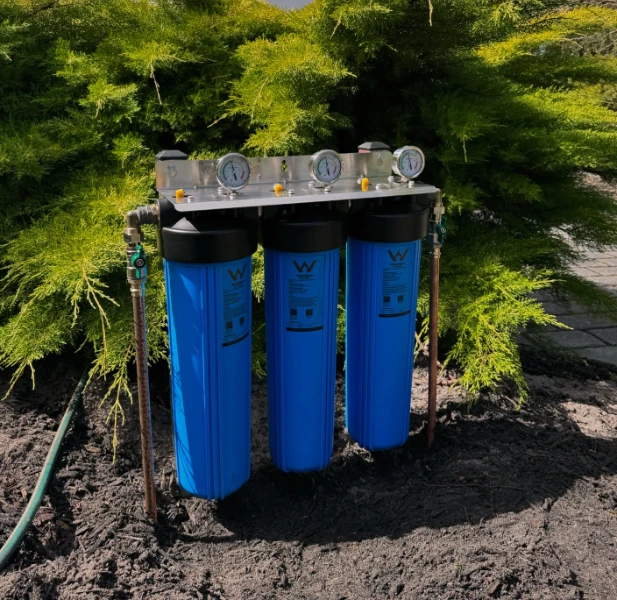
Even with good treatment, individuals can take steps to reduce their exposure to contaminants in their water.
Install a Reverse Osmosis System: This is one of the most comprehensive household treatment options for a broad range of dissolved contaminants.
Add a Remineralisation Filter: If you are concerned about minerals removed during reverse osmosis, post-filters are available that add calcium and magnesium back after treatment.
Check Your Plumbing: If your home has older lead or copper pipes, fittings, or solder joints, have them assessed by a licensed plumber and replace them where necessary.
Stay Informed: Read your local water supplier’s annual water quality report. It shows which contaminants were detected and whether any exceeded guideline values.
Use Rainwater Wisely: If you rely on a tank, clean the tank, gutters, and roof regularly so that chemical and microbial contamination is minimised, and test the water periodically.
Boil Water When Advised: During a boil water alert, bring water to a rolling boil for at least one minute. This kills most microorganisms, but boiling does not remove chemical contaminants.
By combining government oversight with sensible household measures, Australians can substantially reduce the risks associated with water contaminants.
Conclusion
Australia’s water supply is generally safe, but the range of contaminants discussed here shows why additional protection at home can be worthwhile. Heavy metals, agricultural runoff, chlorination by-products, and emerging contaminants such as PFAS and microplastics are genuine concerns that should not be ignored.
Reverse osmosis filtration technology provides broad protection against dissolved contaminants that simpler technologies do not address. For Australian families who want cleaner, better-tasting water, a certified RO system is a practical long-term investment in water quality and peace of mind.
By understanding the contaminants that can affect your supply and choosing an appropriate, independently certified filtration system, families can take control of their drinking water quality.