_edited_9.png)
Table of Contents

INTRODUCTION:
In today’s post, we are looking at why it is vital to maintain reverse osmosis water filters properly, especially for those living in Australia who rely on purified drinking water. Regular reverse osmosis water filter maintenance is essential to ensure that they continue to function correctly and to protect the membrane’s integrity, so that you can have a continuous supply of quality drinking water. Failing to maintain your reverse osmosis water purification device properly may cause it to lose efficiency over time.
The efficiency of contaminated water removal, the taste of your drinking water, and the flow rate for your drinking water may all be affected by this decrease in efficiency.
This guide will provide you with information regarding how a reverse osmosis system is maintained and how to properly maintain your unit in different types of Australian climates.
Why Reverse Osmosis Systems Require Ongoing Care
Reverse osmosis systems provide a precise level of filtration and require proper maintenance to ensure every component operates at its best. For example, unlike simple pitcher filters, reverse osmosis systems have multiple filter cartridges installed as well as a semi-permeable membrane that requires not only proper maintenance but monitoring of sediment filters, carbon filters & the reverse osmosis (RO) membrane, as well as any storage tanks.
Multi-Stage Filtration Means Multi-Stage Maintenance
Different life cycles exist for each element within a typical Reverse Osmosis (RO) system based on its purpose. Sediment filters tend to get clogged with sediment before carbon block filters typically do, and RO membranes also deteriorate faster because of their continuous use, binding contaminants. It follows that there are many ways to evaluate the different parts of a reverse osmosis filtration system in order to be confident that the entire purification process using reverse osmosis water filters will remain uninterrupted.
Performance Decline Without Maintenance
Your reverse osmosis water filter must be regularly maintained in order to keep your system performing properly and to provide you with safe drinking water. If you delay maintenance of the system, then you may find that the flow rate is low, there is an unusual taste to the water, or you have a higher than acceptable level of TDS in the water you drink.
Regular maintenance on your reverse osmosis water filter is especially critical in Australia due to the different levels of minerals present in the water throughout different areas.
Core Components Involved in Reverse Osmosis Water Filter Maintenance
Understanding the parts of a system makes Reverse Osmosis Water Filter Maintenance easier and more structured. Each component plays a role in filtration and requires periodic attention.
Sediment Filter Care
A sediment filter is used to remove sand, rust, and debris from the water prior to reaching the membrane. In Australia, it is recommended that reverse osmosis water filter maintenance includes replacing the sediment filter every 6-12 months. Excessive build-up of sediment will restrict the flow and overall efficiency of the reverse osmosis system.
Carbon Filter Replacement
Carbon filters can eliminate chlorine and organic chemicals. One crucial aspect of reverse osmosis water filter maintenance is the timely replacement of the carbon filter to avoid chlorine damage to the membrane. In Australia, municipal water supplies vary in the amount of chlorine, so replacing the carbon filter on a regular basis is critical for proper reverse osmosis water filter maintenance.
RO Membrane Monitoring
At the center of the reverse osmosis water filtration process is the membrane. Maintenance includes annual checks of the total dissolved solids (TDS) levels in the water being filtered in order to verify whether or not your membrane is functioning correctly.
The average lifespan for a membrane is 2-3 years. However, depending on water quality, longevity can vary significantly.
Storage Tank Sanitization
Storage tanks can accumulate biofilm if neglected. Reverse osmosis water filter maintenance should include periodic sanitization to maintain hygiene and prevent odor issues.
How Often Should You Do Reverse Osmosis Water Filter Maintenance?
When it comes to routine maintenance on a reverse osmosis filter, many homeowners wonder how often they should be doing this kind of maintenance. The answer will be relative to a homeowner’s own specific situation, including water consumption, water quality, and design of their reverse osmosis system.
Standard Maintenance Schedule for Australian Homes
For most households, Reverse Osmosis Water Filter Maintenance follows this schedule:
- Sediment filter: Every 6–12 months
- Carbon filter: Every 6–12 months
- RO membrane: Every 2–3 years
- System sanitization: Annually
Adhering to this Reverse Osmosis Water Filter Maintenance timeline ensures consistent purification and protects long-term performance.
Signs You Need Immediate Maintenance
At times, maintenance of a reverse osmosis water filter is urgent and cannot wait until its regular maintenance schedule. Slow-flowing water, bad tastes in the water, cloudy water appearance, or rising total dissolved solids (TDS) measurements are all indicators that the reverse osmosis water filter requires maintenance immediately.
Professional vs DIY Reverse Osmosis Water Filter Maintenance
Many Australian homeowners debate whether Reverse Osmosis Water Filter Maintenance should be handled independently or by professionals.
DIY Reverse Osmosis Water Filter Maintenance
Doing your own reverse osmosis (RO) water filter maintenance is affordable, especially for basic filter changes. Most units are built to easily swap out the cartridges in them, so keeping up with routine reverse osmosis water filter maintenance will be simple as a homeowner.
However, knowing how to properly install your reverse osmosis water filter is very important because if you don’t do so correctly, there could be leaky seals or seals that were not installed properly.
Professional Reverse Osmosis Water Filter Maintenance
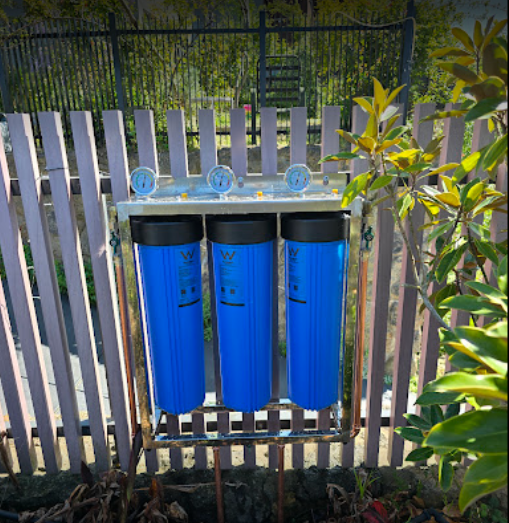
Professionals recommend having your Reverse Osmosis system inspected at least once per year. This will include testing the membrane and sanitizing the system. Licensed plumbing contractors in Australia have experience bringing Reverse Osmosis system maintenance into compliance with local plumbing codes and regulations for both water pressure and filtration types.
Troubleshooting Issues During Reverse Osmosis Water Filter Maintenance
Reverse Osmosis Water Filter Maintenance also involves identifying and resolving common operational issues.
Low Water Pressure
If your water pressure is low, clogged filters may be the cause. Begin with the sediment and carbon filters as part of your reverse osmosis water filter maintenance. If your water pressure is still low after checking those, you need to check the membrane for blockage.
Continuous Drain Flow
If you’re having a problem with constant drainage of your water, you should check the automatic shut-off valve and pressure tank of your reverse osmosis filter as part of your maintenance process.
Unusual tastes or smell
If you are experiencing an unusual taste in your water or there is an unusual odor in your water after changing your water filter, it may indicate that you have not maintained your reverse osmosis water filters properly, that you failed to sanitize your system correctly or you installed the cartridge improperly.
Reverse Osmosis Water Filter Maintenance in Australian Conditions
Reverse Osmosis Water Filters in different areas of Australia have differing maintenance needs due to the variability in water conditions. Regions within Australia have differing densities based on the minerals contained within their source waters, their levels of residual chlorine, and their loads of sediment. Therefore, the maintenance schedules used for Reverse Osmosis Water Filters should be adjusted to accommodate these differences.
Hard Water Regions
If your location has high levels of minerals in the water supply, reverse osmosis water filter maintenance will most likely be required on a regular basis due to the increase in sediment and scaling from hard water. Over time, these two factors will contribute to reduced flow rates and filtration efficiency.
Having a proactive approach to maintaining your reverse osmosis water filter will help to eliminate premature membrane failure and will also provide consistent TDS removal.
Coastal Areas
Coastal locations can experience high salinity in the water supply. Maintenance of reverse osmosis water filters in coastal areas should include periodic TDS testing and membrane inspection. Regular maintenance of reverse osmosis water filters can maintain the efficiency in removing dissolved salts.
Rural and Bore Water Use
When utilizing bore water, properties will find that much more time-consuming maintenance of their reverse osmosis water filter will be necessary due to the increased levels of sediment, iron, and organic materials in bore water compared to mains water. Thus, the maintenance procedures for filtering bore water through a reverse osmosis filter in rural Australia include doing pre-filtration checks, replacing the sediment more often, and carrying out more frequent inspections.
Reverse Osmosis Water Filter Maintenance for Apartment Living
For apartment residents who wish to maintain a reverse osmosis water filter, there are particular points of consideration, such as the limited amount of physical area to perform maintenance. Whether or not there are common plumbing systems involved in the maintenance process, and whether there is a need for shared access with other tenants.
Limited Space Systems
To keep leaks from happening in the under-sink system cabinetry areas, reverse osmosis water filter maintenance will be very important. This is the reason apartments should be thoroughly inspected for possible leaks whenever maintenance is performed after a reverse osmosis water filter is.
Shared Plumbing Considerations
The management of a multi-unit building may need to work with the contractor regarding installation or plumbing changes resulting from a repair or other issues when reverse osmosis water filter maintenance is being done.
Noise and Drainage Awareness
Apartments may also have specific issues related to drains and noise. Properly checking the drain, making sure that they have proper drainage, will help eliminate added noise caused by the water flowing, and also conserve any unnecessary waste of water from shared buildings.
Long-Term System Protection Strategies
Properly maintaining your reverse osmosis filter system is essential to preserving your investment and maintaining consistent, long-lasting operation. By utilizing a systematic reverse osmosis water filtration system maintenance plan, you will reduce the likelihood of unscheduled repairs and will prolong the life of the membrane.
Annual Performance Testing
Annually test for TDS as part of routine reverse osmosis water filter servicing to verify membrane performance. Track performance data to help establish when to modify maintenance before substantial failure occurs.
Keeping a Maintenance Log
Use a physical calendar or computer-based program to maintain a reverse osmosis water filter service schedule. A service schedule will help prevent missed filter changes. Date parameters and change evaluations will make reverse osmosis water filter service more systematic and predictable.
Using Quality Replacement Filters
Use quality reverse osmosis water filter cartridges to assure successful reverse osmosis water filter service and to prevent compatibility issues. Low-quality cartridges can negatively affect reverse osmosis water filter service and the longevity of the entire system.
Cost Considerations of Reverse Osmosis Water Filter Maintenance
The costs associated with maintaining reverse osmosis water filters depend on the type of system being used, how much they are used, and what kind of water conditions are found in the area. By knowing what the costs will be to maintain a reverse osmosis water filter, homeowners can effectively budget for regular maintenance without any surprises.
Usually, sediment and carbon filters must be replaced once a year as one of the main reverse osmosis water filter maintenance fees. Membranes are replaced less often, but have a higher single price. Over time, ongoing maintenance of a structured reverse osmosis water filter will save much money versus replacing an entire system because of neglect.
Moreover, ongoing reverse osmosis water filter maintenance can help reduce scaling on appliances and limit the need for bottled water, which will save Australian households indirectly.
Final Thoughts
To maintain a healthy supply of filtered drinking water in your home, it is important to have an understanding of how to maintain your reverse osmosis (RO) water filter. Maintaining your RO water filter on a regular basis helps to ensure that the membranes inside the filter will remain intact.
When it comes to servicing your RO unit, a defined maintenance plan will give you and your family peace of mind about the quality of your water; the lifespan of the equipment will be extended.