_edited_9.png)
Table of Contents
INTRODUCTION
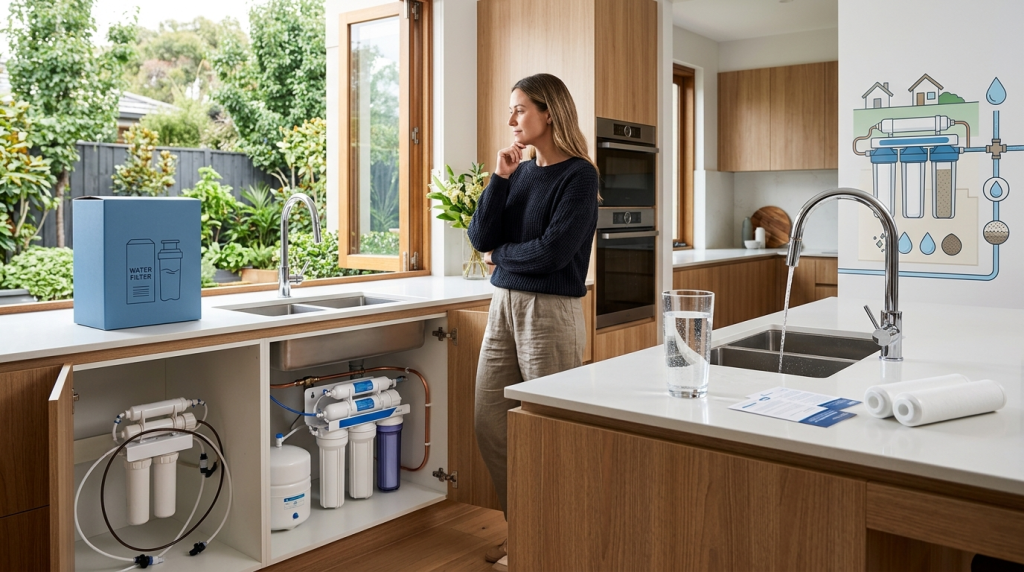
When it comes to buying a water filtration system, it is a decision that should be given serious thought for your home. There are different types of filtration systems available in Australia, so it may be a good idea to do some research on how to choose the right fit. What works in one home isn’t always true for another one. You should consider your specific water quality issue, how big your home is, and the maintenance and operation of your new system.
Through this article, we talk about a few great pointers that will give you a great insight into making your decision when picking a water filtration system.
Why So Many Homeowners Make Water Filter Buying Mistakes
Getting a water filtration system is simpler today than ever, but choosing the right one is getting more complicated by the day. There are several hundred products available to select from. All of them look like something you just cannot afford to miss. However, at first glance, a homeowner may have no clue about how to select the right water filtering system.
The most common mistake homeowners make is thinking all water filters are created equal. In reality, water filtration systems exist for several specific purposes. Some of them are mainly aimed at getting clean drinking water, while others protect your whole home from various water-related troubles such as sediment, hard water, and chlorine.
Making an informed choice means more than simply comparing prices. Always start from your water needs when buying a filtration system.
Understanding Your Water Before Buying Any Filtration System
Homeowners should make sure they understand what changes they want to see before buying a filtration system. Do you want your water to be free of chlorine taste? Do you need to filter sediment out? Is hard water an issue for you? Do you simply want to make your drinking water taste better? Answering the above questions makes it easier to find a suitable filtration system.
When buying a filtration system, homeowners should keep in mind a few important factors:
- What real water quality problems do you deal with?
- How many people live in your house?
- Will the filtration system be used for drinking only or for the entire house?
- How much upkeep and maintenance are you willing to put into the system?
- What is your budget for future replacement filters and repairs?
Understanding your needs before comparing products can prevent many common water filter buying mistakes and help you make a more informed decision.
The Biggest Water Filter Buying Mistakes Homeowners Make
Another reason people commit buying errors is when homeowners hurry the purchase process or trust marketing messages blindly. Sometimes, buying the wrong system can involve more spending later on.
The most frequently made water filter buying errors include:
- Choosing a system based on the price only.
- Neglecting maintenance demands.
- Choosing an inaccurate filtration solution.
- Failing to verify certifications.
- Buying a system that does not match the actual needs of the household.
- Forgetting about the costs of future replacements.
The key to avoiding these mistakes is understanding what exactly a household needs from a filtration system.
Buying Based on Price Instead of Water Quality Needs
When buying a water filtration system, price is obviously an important factor to keep in mind. However, going for the cheapest solution may not be the best long-term option.
Some budget-friendly filtration systems might work for certain homes, while others may need more qualified filtration. Rather than fixating on a price, it is important to consider whether the filtration system actually solves one’s water quality problems.
While assessing systems, look at the following:
- Filtration ability
- Possible lifetime
- Costs of replacement filter
- Installation needs
- Maintenance requirements
- Support by the manufacturer
The decision-making process when it comes to what filtration system to purchase is more effective if based on the evaluation of filtration efficiency, maintenance costs, and the reliability of the system for a longer period of time.
Assuming Every Water Filter Removes the Same Contaminants
Another myth is that water filters work the same way. It is important to point out that there are various filtration technologies and that those work for different issues regarding water quality, so one device does not necessarily give you the same results as another device.
For instance, some devices will be focused on improving the taste and smell of water, while others will provide advanced filtration. It is essential to understand how to choose the right technology depending on the homeowners’ expectations.
It is always better to know the difference in technologies before making the final purchase to avoid mistakes.
Ignoring Australia’s Water Quality Differences Across Regions
The quality of water found in various sites across Australia differs greatly, as do the preferences of the homeowners concerned. Municipal water may be extensively treated, but families have distinct tastes and preferences concerning the quality of water and water filtration systems.
What works for one property might not work for another. Household size, plumbing infrastructure, and lifestyle requirements will determine the best water filtration system for your property.
A consideration of local conditions and preferences may enable homeowners to make better buying decisions.
Choosing the Wrong Type of Water Filtration System
Choosing an improper filtration system continues to be amongst the most costly purchase mistakes for homeowners. Some systems are used for drinking water only, and others are designed to filter water for the entire house.
The most widespread solutions include
- Under-sink filters
- Reverse osmosis filtration systems
- Whole-house filtration systems
- Water softeners
- Multi-stage filtration systems
Taking time to understand how each technology works will make it much easier to choose a solution that aligns with your household’s needs and expectations.
Overlooking Maintenance and Replacement Costs
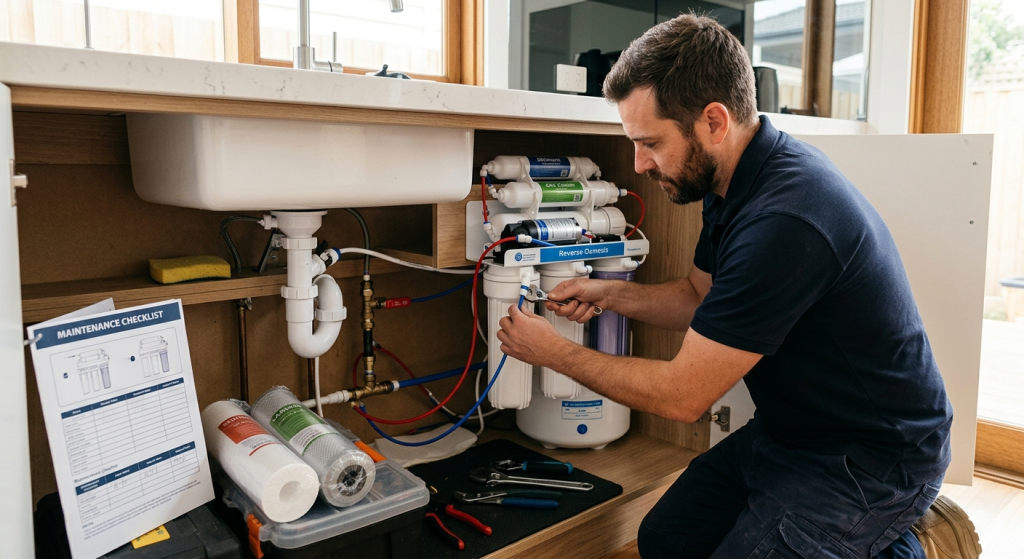
Many people just concentrate on the initial price of a water filtration system when they purchase one without giving any thought to its ongoing costs, which are important in determining how much value such a system provides over time. Filters and cartridges will need to be changed regularly, and the schedule will depend on how much water is being filtered and the type of technology being used. Not taking these costs into account is, unfortunately, one of the major mistakes people make when buying water filter systems.
Prior to buying a water filtration system, a homeowner should think about the following:
- Costs of replacing filters
- Maintenance schedule
- Product lifespan
- Availability of spare parts
- Maintenance requirements
By thinking about these factors, homeowners will be able to choose the best possible system according to their needs and their financial situation.
Buying a System Without Considering Future Household Needs
Numerous house owners buy a water filtration system depending only on their needs at the moment. Nevertheless, household needs may change over time. The growing family or change in the level of water consumption might make it necessary to have a filtration system with other efficiency parameters or extra functions.
The choice of the system that provides a certain flexibility with respect to future needs can prove to be a better investment over a longer term. Considering factors such as family size, water consumption to be anticipated, and maintenance requirements will help one avoid unnecessary upgrading in the future.
Thinking about the future and potential requirements in advance is a simple yet effective way to avoid the unpleasant situation of buying the wrong water filter.
Why Professional Installation Matters More Than Many People Think
Quality water filtration systems will function optimally only when correctly set up. Incorrect setup may compromise water flow, filtration efficiency, and even the longevity of the filtration system.
Hiring a professional installer brings about key advantages:
- Accurate setup
- Better filtration performance
- Reduced chances of leaks or troubleshooting problems
- Higher reliability in the operating period
- Warranty protection where applicable
Some systems lend themselves to easy installation, whereas others require expert help to provide maximum efficiency. A little investment into expert installation pays off with a more pleasant ownership experience later on.
Questions Every Homeowner Should Ask Before Purchasing a Water Filter
Before buying any filtration system, there are some questions every homeowner must ask themselves. Considering these factors can help facilitate the buying process and reduce the chances of making an incorrect purchase.
Some of the important questions are
- What type of water quality issues am I facing?
- Which filtration technology should I go with?
- How frequently do I have to change the filters?
- What type of maintenance will I have to do?
- Should my system be installed by a professional?
- Is the system certified by different organizations or standards?
Finding answers to these questions before making a purchase helps buyers in making informed decisions and selecting systems that are more suited to their needs.
How to Choose the Right Water Filter for Your Home
Before choosing an appropriate filtration system for your home, you need to determine what your needs are. For some homeowners, having better taste water is enough, while for others, whole-house filtration or drastic purification answers the requirements.
Buying a product only depending on an advertisement or user ratings is not a correct approach. It is necessary to establish the following criteria: effectiveness, service requirements, approval of every product, and general costs.
Things to take into account include:
- Household size and daily water use
- Issues related to water quality
- Available filtration methods and technologies
- Installation needs
- Service and maintenance expectations
- Value of the product and its reliability.
With a practical approach, the choice will be better than simply following the trend.
Creating a Smart Water Filtration Buying Checklist
Buying a water filtration system should be treated like an investment, not just a spur-of-the-moment purchase. In order for a homeowner not to fall prey to some of the most typical mistakes, it can be helpful to create a checklist.
Below are some considerations you have to make before making your choice:
- Have you defined what issues your tap water possesses?
- Is the system appropriate for your household?
- Have you researched the maintenance of the system?
- Are replacement filters available on the market?
- Does the system conform to certain regulations?
- Have you evaluated how much total ownership will cost you?
- Has the technology used for filtration been researched by you?
A thoughtful buying process often leads to greater satisfaction and better long-term performance from your chosen system.
Final Thoughts
Price, popularity, or advertising statements should not be the only basis when it comes to selecting a water filtration system. Taking the time to evaluate your family’s water quality requirements, exploring your options of water filters, and assessing the costs of ownership will greatly improve your chances of making the right choice.
It is easy to avoid water filter mistakes if you ask the right questions beforehand. By considering performance, maintenance, reliability, and the system’s appropriateness, you will find it easier to select a water filter that meets your long-term needs.