_edited_9.png)
INTRODUCTION:
Table of Contents
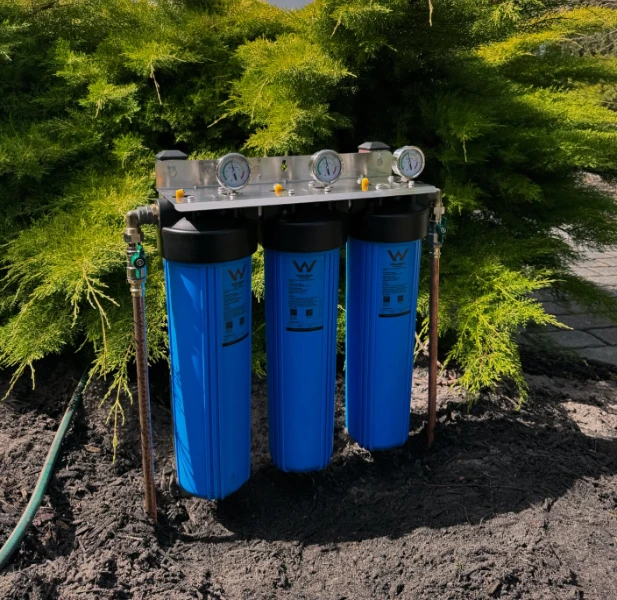
In today’s blog, we cover reverse osmosis maintenance and why it is important to your system’s performance. One of the best water filtration systems on the market, providing clean drinking water by removing impurities through its reverse osmosis system. But like all water filtration systems, an RO system needs maintenance to work effectively and serve you well in the long run. In this comprehensive guide, we’ll cover the maintenance schedule, common issues to watch out for, and how to troubleshoot them so your reverse osmosis system runs perfectly.
What is reverse osmosis?
Before we get into maintenance schedules, it’s worth taking a moment to understand what reverse osmosis (RO) is and why water filtration becomes so much more effective when it uses an RO system. Reverse osmosis is a method of filtering impurities out of water by passing it through a semipermeable membrane. The membrane only permits freshwater molecules to pass while repelling impurities, such as bacteria, salts, chemicals, and other particles.
RO systems are used in households, offices, and industrial settings to provide clean water for drinking, cooking, and other purposes. This is considered one of the best and most effective water filtering systems. Reverse Osmosis: With growing interest and awareness of waterborne contamination, reverse osmosis has emerged as a boon for homes and industries alike, providing safe, clean drinking water.
How Does Reverse Osmosis Work?
Knowing how reverse osmosis works is key to effective maintenance. The process begins when water is drawn into the system from a pre-filter that traps things like sediment and chlorine. The water then passes through the RO membrane to remove smaller particles, including dissolved salts, heavy metals, and microorganisms. Once through the membrane, water is directed through post-filters to polish it and remove any remaining taste, odor, and other impurities, while also conditioning it to produce great-tasting drinking water.
Here’s a play-by-play of how reverse osmosis goes down:
Pre-filtering Stage: After that, water passes through sediment and carbon filters, which remove larger particles, chlorine, and other impurities that could damage the RO membrane.
RO Membrane Filtration: The filtered water is then routed through another tube to the RO (reverse osmosis) membrane, where it passes through a semipermeable membrane that removes contaminants at the molecular level.
Post-Filter/Multi-Stage: Water then passes through post-filters such as a carbon filter, for further drinking water perfection.
Storage: Purified water is kept stored in a tank for future use.
This multi-stage filtration process ensures that you have access to pure, clean water. Regular maintenance is essential to prolong your system’s lifespan and keep it functioning reliably over time.
Why Reverse Osmosis Maintenance is Crucial
There are several reasons reverse osmosis maintenance is so important. Over time, the system runs continuously, and filters and membranes may show signs of wear, such as reduced water flow or increased TDS levels. Routine maintenance helps you recognize these signs early, ensuring the system runs smoothly and delivers clean, healthy water to your home or office.
Below are just some of the reasons that maintaining your reverse osmosis system is key:
Avoid Contaminant Clogging: Without timely replacement of filters and membranes, the system can accumulate contaminants, reducing the purity of the purified water.
Improve System Performance: Regular maintenance helps all parts of the system perform as designed, maximizing water-flow efficiency and reducing energy use.
Extend Life: Regular maintenance and upkeep can help your reverse osmosis system last longer and prevent the need for expensive repairs or replacements.
Enhance Water Quality: A properly maintained system provides clean, healthy water that’s free of impurities.
Reverse Osmosis Maintenance Cost
Reverse osmosis systems are a great investment for your home or office, providing clean, safe drinking water. Here’s the thing, though: it’s also a system and needs maintenance like anything else. The cost of RO maintenance in Melbourne ranges from $100 to $250, depending on the service you require. This consists of changing the filters, cleaning the membrane, and servicing it every year.
Most people consider regular maintenance an added expense, but in truth, it is a small cost to bear compared to the expensive repairs you can avoid. Failure to maintain can result in system inefficiency, energy waste, and bad water quality. An effective maintenance schedule will allow you to enjoy years of great-tasting water from your RO system.
Basic Reverse Osmosis Maintenance: Where to Start?
Before we break down the specific maintenance tasks, you do not want to forget the basic maintenance to keep everything running well with your reverse osmosis system. Here’s where to start:
Monitor Water Quality
Regular testing of your water quality with a TDS meter helps you stay informed and confident that your reverse osmosis system is working effectively, ensuring safe drinking water.
Check for Leaks
Inspect all parts (faucet, tubing, storage tank) for leaks regularly to prevent water waste and system damage, empowering you to maintain efficiency and save resources.
Sanitize the System
One concern you may have is the possibility of bacterial and algal buildup in your water treatment system over time. Regular cleaning of the system can also mitigate microbial growth. Clean the storage tank and tubing with a food-safe sanitizing solution. That will help keep the system clean and the water safe to drink.
Reverse Osmosis Maintenance Checklist
One key to keeping your RO system working and producing clean water is to maintain it regularly. Here is a detailed maintenance schedule for the RO system that you must observe:
Remove and Replace: All 3 pre-filters should be replaced every 6 to 12 months. These are important for removing grit and chlorine (which can be harmful to the RO membrane).
System Cleaning and Sanitization: Your system should be cleaned and sanitized once per year to prevent the buildup of bacteria, mold, and other contaminants. This is the first step to help with water quality and prevent clogging.
Leak Check: Visually examine the connections for leaks or wear. Even tiny leaks can impact efficiency.
Membrane Replacement: The RO membrane should be replaced every 2-3 years, depending on the amount of water filtered and the quality of the water supply.
Checking Water Quality: Regularly check water quality to ensure the system is effectively removing impurities.
Tank Review: Inspect your storage tank often for signs of contamination (e.g., odors, growth).
Pressure Check: Ensure the system is running at the correct pressure. Reduced pressure affects filtration capacity and water production.
By following this list, you will ensure that your RO is in tip-top shape and save time and money on costly breakdowns.
Can I Service My RO Purifier Myself?
Some minor maintenance for your RO system can be done by you, like changing pre-filters and cleaning the faucet, but rest assured, a few things are best left to a professional. Replacing the RO membrane or resolving water quality problems is a bit more complicated and requires understanding how the system works.
These can become complex projects that you wouldn’t want to mess up; otherwise, it could void any warranties, and incorrect installation may cause more harm. If you want the highest-quality results and to prevent future issues, it’s a good idea to have an expert technician handle any more complicated repairs.
Reverse Osmosis Maintenance Schedule
To help keep your reverse osmosis system operating properly for years to come, it’s important to maintain it regularly. This routine will involve periodic inspections, cleaning, and part replacement to ensure optimal performance.
Daily Maintenance Tasks
Our daily maintenance is simple and allows for early detection of potential problems. The following activities are to be completed daily:
Inspect the Flow of Water: Verify that the water is flowing as it should. If the flow rate is low, there could be a blockage in a filter or membrane.
Check for Leaks: Look for leaks near the faucet, tubing, or tank. If any are loose, tighten them or replace them as necessary.
Monthly Maintenance Tasks
For monthly maintenance, the checks are more in-depth to confirm everything is working as it should. Here’s what to do each month:
Run a Check on the Pre-Filters: The pre-filters are responsible for holding larger particles and chlorine in place, so make sure they are not clogged. If they are dirty, it is time to replace them.
Test the Water Pressure: Make sure the water pressure in your system is within the recommended range (generally 40-60 psi). Poor filtration can result from low pressure.
Sanitize System: Sanitize the system with a food-safe cleaner to eliminate bacteria and algae.
Quarterly Maintenance Tasks
Carry out the following every 3 months to keep your system running as efficiently as possible:
Replace the Pre-Filters: To prevent the system from clogging and ensure your air is purified, replace your pre-filters every 3 months.
Examine the RO Membrane: Look for signs of clogging or membrane defects. The membrane might also require cleaning or replacement if it isn’t performing well.
Check the TDS Levels: You can test water quality with a TDS meter. High TDS levels can indicate the need for a membrane change or other servicing.
Semi-Annual Maintenance Tasks
Do these things every six months to keep your system in tip-top shape:
Replace Post-Filters: Post-filters need to be replaced every 6 months for better-tasting water and to maintain contaminant removal.
Clean out the Storage Tank: Sediments may collect in a storage tank, causing discoloured water. To prevent bacteria from growing and keep the tank clean, it is best to clean the tank every six months.
Annual Maintenance Tasks
Once a year, do a complete system check to make sure everything is operating OK:
Replace the RO Module: The cartridge replacement interval depends on the input water quality and the Water Purifier’s usage. That way, you can check them annually and decide whether to replace them sooner.
Test the System’s Performance: Evaluate overall system performance. If you see a change in water flow or quality, perhaps it’s time to do a closer check.
Common Reverse Osmosis System Problems & How to Fix Them
Even with routine servicing, you might experience issues with your reverse osmosis system. Here are some problems you may encounter and how to solve them:
Low Water Pressure
Low water pressure is one of the most common problems in reverse osmosis systems. If the pressure is too weak, filtering will not be done properly, and water production will be slow.
Solution: Have the water pressure regulator checked and the filters replaced if blocked. If your area has low water pressure, think about investing in a booster pump.
Slow Water Production
If your reverse osmosis system is producing water more slowly than usual, the membrane might be clogged, or the filters could be dirty.
Solution: Examine the membrane for fouling, then clean or replace it as necessary. Change all that are clogged and ensure the system operates at proper pressure.
Bad Taste or Odour
If the water has a bad taste or smell, there’s contamination entering from either filter replacements or bacteria growing in the system.
Solution: Change pre-filters and post-filters, and make sure the system is cleaned thoroughly so as not to allow bacteria to grow. Sanitise and press the system.
Water Leaks
Leaks will result in water waste and loss of system capacity.
Solution: Check all connections and replace any worn tubing or O-rings. Locate any loose connections and tighten everything to prevent future leaks.
High TDS Levels
If TDS levels are high, the RO is not effectively removing contaminants.
Solution: Check the TDS levels and change the RO membrane if required. Clean the filters and put them back in place to ensure they work properly.
Reverse osmosis system maintenance near Melbourne
If you are in Western Melbourne and seeking trustworthy RO maintenance, then a local service provider is the key. Local techs are easier to reach and offer faster service, and little or no cost savings are available through a remote company. Whether you need new filters brought in or want to have your system checked out by a technician in your area, it can save you time and money. With the right skills and knowledge, they can detect problems before they become emergencies and keep your RO system at peak performance. Find a company with good customer reviews and industry experience to make sure you’re receiving the best-in-class service at great prices.
Reverse Osmosis Maintenance Companies
The right company is all-important for maintaining your RO system! Demand Filtration is a reputable business providing reliable RO system service throughout Melbourne. Whether it is a matter of needing new filters, membranes, cleaning the membrane, or an overall system check-up, Demand Filtration will take care of you.
Their highly experienced technicians deliver dependable, affordable, and fast service to keep your system in optimal condition. Choose Demand Filtration and invest in quality service that can also help to prolong the life of your RO system. Contact them today for a free quote and find out why they’re the number-one choice for Melbourne households.
Tips for Prolonging the Life of Your Reverse Osmosis System
To keep your RO system working in tip-top shape, follow these guidelines:
Keep it Clean: Maintain a clean system to prevent bacterial growth and mineral buildup.
Replace Filters Regularly: Don’t wait until filters become clogged. Change filters as scheduled on the maintenance schedule.
Prevent Hard Water: If you live in an area where hard water is common, invest in a water-softening unit to minimise mineral deposits inside the system.
Search for Leaks: To avoid wasting water, check your system for leaks often, including tiny ones.
Reverse Osmosis Maintenance Service
With proper maintenance, the RO system can last longer and remain efficient. In addition to extending the system’s lifespan, professional maintenance services will help ensure your drinking water is clean and safe. Demand Filtration provides all aspects of maintenance, including routine filter exchanges, membrane cleaning & complete system inspection.
Our expert techs are trained to identify and address warning signs before they become costly problems, saving you time, money, and hassle. Now, if you want the best, trust Demand Filtration as your RO maintenance service provider in Melbourne; their crews provide full pricing, quick service, and complete customer satisfaction.
Conclusion: The Importance of Reverse Osmosis Maintenance
Keeping your reverse osmosis filters in good working order is important to maintaining the cleanliness and efficiency of your water supply. By maintaining your system and fixing problems as they arise, you can help extend its lifespan, maintain good water quality in your home or business, and prevent expensive repairs.
After all, reverse osmosis maintenance is not just about cleaning and replacing parts; it’s about ensuring your system continues to deliver a safe, high-quality supply of drinking water for many years.
By following these preventive measures and conducting regular inspections, your reverse osmosis system will continue to deliver clean, safe, and great-tasting water every day.