_edited_9.png)
Table of Contents
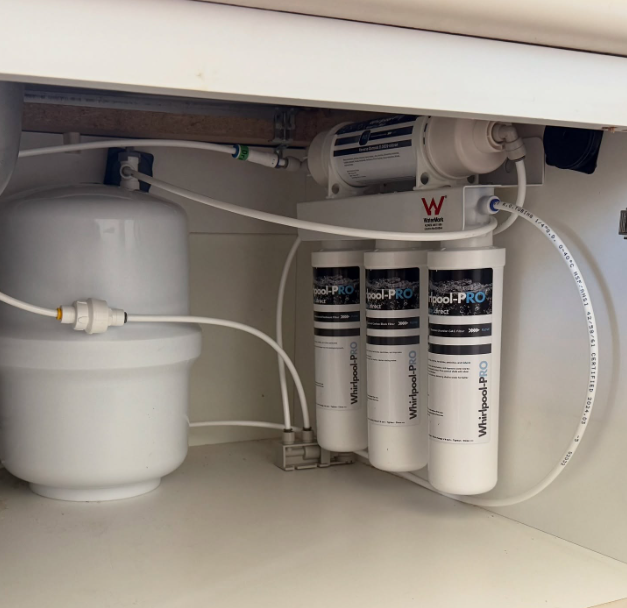
In this post, we share how to keep your home water filtration system in excellent condition effortlessly, so you and your family can drink clean, safe & fresh water daily. Water filters have become a standard appliance in Australian homes because, despite our exceptionally high standards and access to water, it still contains contaminants harmful to your health.
Whether you live in a metropolis or not, it is always important to clean your water purifier regularly to ensure purified, safe drinking water. In this article, we’ll cover how to maintain your home water filtration systems effortlessly, why regular maintenance is important, and the crucial steps for keeping the raw-water line efficient and long-lasting.
What Are Water Filtration Systems?
Water purification filters remove contaminants, chemicals, and other harmful particles from water, making it clean for consumption. They can be attached to different places in your water system, including the countertop, under the sink, or throughout the house. In Australia, the most common water filtration systems include activated carbon filtration, reverse osmosis (RO), and ultraviolet (UV) sterilization.
Water purification systems can remove contaminants such as chlorine, bacteria, viruses, and organic or heavy metal elements, including pesticides. They operate by filtering impurities through physical, chemical, or biological processes. Hard water is present in some parts of Australia, and purchasing a home water filtration system can make the taste, smell, and quality much more palatable.
Why Is It Important to Maintain Your Water Filtration System?
Taking good care of your home water filtration system is crucial to keeping it operational and providing safe drinking water. Regular maintenance prevents the buildup of contaminants that can compromise water quality and health, keeping you motivated to perform routine checks.
Preventive maintenance will extend the life of your system, leading to less costly repairs and Replacements. Regular maintenance, at least every 6 months, can keep your water filter system performing well and deliver high-quality, clean water. In a country as vast and diverse in water quality between states, you must put your hand up for regular servicing of the equipment to maintain efficiency at home.
Signs That Your Water Filtration System Needs Maintenance
Knowing when your water filter needs to be serviced is essential to avert bigger problems later. Here are some of the signs that suggest your system’s components might need a cleaning or Otherwise Replacement:
Unpleasant Water Taste or Smell
When your water begins to taste or smell bad, it indicates the filtration system isn’t functioning properly, which can pose health risks. Buildup of chemicals, mold, or bacteria can lead to unsafe water, making it essential to replace filters and clean the system promptly to protect your health.
Reduced Water Pressure
When you notice very low water pressure from your filtration system, it’s an obvious indicator that either the filter is clogged and needs to be changed or debris is building up within the system. This may be caused by mineral deposits or contaminants that have built up in the filter. If that is the case, any system performance will be severely degraded, and your water flow will be much less than normal.
Visible Particles or Cloudiness
If your water is cloudy or you see specks in your glass, it may mean the filter isn’t catching everything. You might also notice some sediment or detritus suspended in your water. Your filter may be shot or dirty, so you will need to address that.
Frequent Filter Replacements
Filters have different durability, but if you’re changing yours much more often than the manual recommends, your filter system might not be running at full capacity. Or, you may have the wrong kind of filter for your water source and be wearing it out too quickly.
How to Maintain Your Water Filtration System
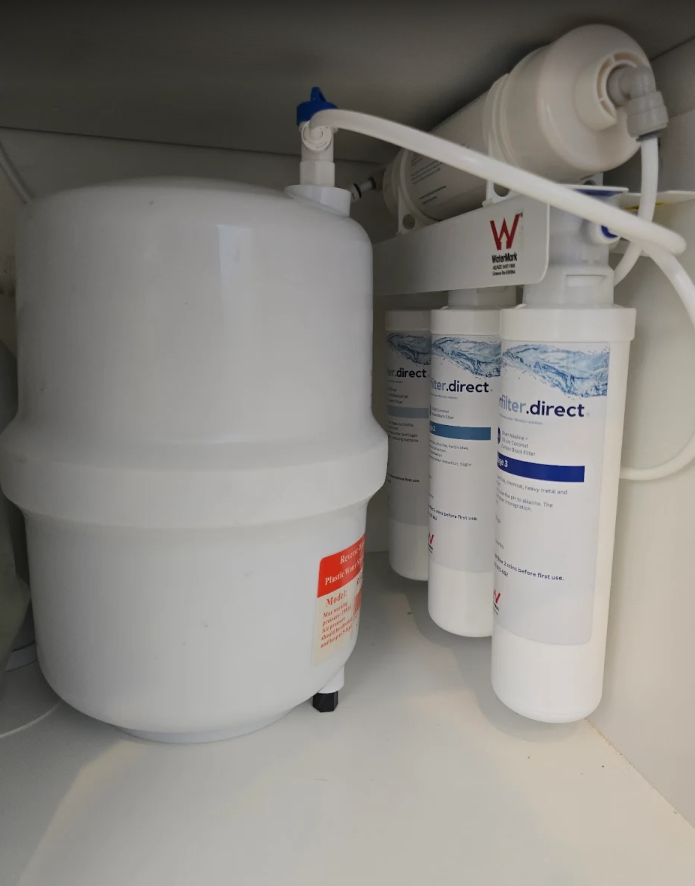
Caring for your home water filtration system does not have to be daunting. By cleaning it periodically and performing a few regular checks, you will ensure your system operates at optimal levels. What follows is a list of some important activities to undertake to keep your water filter system in good condition:
Check and Replace Filters Regularly
The key to keeping your home water filtration system reliable and your drinks tasting delicious is regular filter replacement. Changing your filters as the manufacturer suggests will help you trust that your system is working effectively and your water remains safe.
The rate at which filters should be changed depends on your system type. Activated carbon filters should be replaced every 6-12 months, while reverse osmosis membranes typically need to be replaced every 2-3 years. Following these guidelines ensures your system functions effectively and maintains water safety.
Clean the System Components
Home water filters need care to remove mineral buildup, bacteria, or debris. Keeping all parts clean helps you feel confident that your system is functioning properly and that your water stays healthy.
If you have a whole-house filtration system, don’t forget to clean the tanks and pipes. Don’t forget to flush the system after cleaning it with a serve-all dispenser cleaner and removing any leftover residue.
Inspect for Leaks
A leaking home water filtration system can cause inefficiency, water waste, and potential damage. Regularly checking hoses and filters helps you feel secure knowing your system is safe and working well.
Monitor Water Pressure
Low water pressure can indicate trouble with your filter system, including a clogged or dirty pool filter, an obstructed impeller on the pump, or debris in the shutoff valves. Continuously monitoring the pressure of the water passing through. If you see a decrease in pressure, the filters may need to be cleaned or replaced.
Ensure Proper Installation
Make sure your water purifier was correctly installed. If not installed properly, water quality and system problems may occur. And if you’re not confident in your ability to install the system, we’d recommend bringing in a professional to ensure it is installed correctly.
Different Types of Water Filtration Systems and Their Maintenance
There are many different home water filtration systems in use throughout Australia, and they might have their own maintenance requirements. Here are the most common types:
Activated Carbon Filters
The activated carbon filters are intended to remove particles, sediment, organic volatile compounds, and odor from the water. To keep these filters effective, they should be replaced regularly as they accumulate contaminants. She advises changing carbon filters every 6 to 12 months.
Reverse Osmosis Systems
Reverse osmosis filters are among the best available, removing virtually everything from your water, including heavy metals (such as lead and mercury), pesticides, chlorine, and fluoride. RO systems need to be maintained regularly, including pre-filter cleaning and RO membrane replacement. The filters in reverse osmosis systems have to be replaced every 6 months, and the membrane should last about two or three years.
Whole House Filtration Systems
Complete house filtration systems ensure that the water throughout your home is pure and clean whenever you turn on any tap. Typically, such systems employ sediment and/or carbon filters, as well as, occasionally, reverse osmosis. Maintenance involves changing the filters every 6-12 months and cleaning all components to keep clogging and mineral buildup at bay.
UV Filtration Systems
UV filtration systems, for example, use ultraviolet light to zap bacteria and viruses in the water. These units have lower maintenance requirements, with the UV lamp requiring an annual replacement. The UV chamber also must be cleaned periodically to ensure maximum effectiveness.
Why Australians Should Always Have Their Water Filtration Systems Regularly Serviced
Water quality varies from place to place in Australia. In large cities like Sydney and Melbourne, the water is generally safe to drink but may include chlorine, fluoride, or other chemicals that some Australians want filtered out. The water quality in rural and isolated areas may be affected by contaminants from agricultural runoff, industrial waste, or natural minerals. That makes maintaining home water filtration systems and other equipment even more crucial to providing residents with clean, safe drinking water.
Common Mistakes to Avoid When Maintaining Your Water Filtration System
There is clean water if we properly maintain your home water filtration system. But there are some potentially costly mistakes that many homeowners make, ones that can lead to a decline in performance. There are a few big-mode pitfalls to avoid:
Failing to Change Filters When Needed
Not changing the filters as suggested is one of the biggest mistakes. Filters get dirty with use, and time clogs the system. Use reminders or read the instructions to note when it should be replaced.
Skipping Professional Inspections
While performing routine cleaning is vital, professional examinations are equally crucial. A service technician may also uncover hidden problems, like unfixed leaks or mineral deposits that aren’t apparent during everyday maintenance.
Filtering with the Wrong Tool
Each filter operates with its own type. Using the incorrect one can lower water quality and harm your system. Use only the filter specified for your system to maximize filtration and minimize damage to a heating or cooling unit.
Neglecting Regular Cleaning
And even if you replace the filters as directed, failing to clean their parts can still cause problems—regular cleaning (prevents clogging and increases water recirculation).
Overlooking Leaks or Drips
Leaks, no matter how small, can damage the water and decrease the effectiveness of a filtration system. Check the system for leaks often and have any repaired as they occur to keep it in top working condition.
Ignoring Changes in Water Quality
If your water tastes, smells, or looks different from how it normally does, you’ve got a clear indicator that something is off with the system. Tackle these changes now to avoid a health hazard and keep your system running smoothly.
Failure To Flush the Shunt After Servicing
After filter replacement or system cleaning, always flush the system to clear away any debris or cleaner. This is critical to the performance of your system and the safety of drinking water.
Conclusion:
Keeping your home water clean, safe, and fresh is easy with proper maintenance of your water filtration system. You can help extend the life of your water filtration system by replacing filters and cleaning components, and by monitoring it for leaks. Whether you rely on activated carbon filters, a reverse osmosis system, or a whole-house filtration system, regular maintenance is key to maintaining your water quality.
You can also read this: Whole House Filtration vs Reverse Osmosis
You can also read this: Whole House vs Point-of-Use Water Filter in Australia