_edited_9.png)
Table of Contents
INTRODUCTION
For Australian homeowners, the question is no longer whether water quality matters, but which filtration solution offers the best whole-home protection. Tap water across Australia is among the safest in the world. Still, chlorine taste, sediment from aging pipes, hard water minerals, and emerging contaminants like PFAS are driving a significant shift toward complete home filtration systems.
Unlike a single filter under the kitchen sink, a complete home filtration system treats every liter of water entering your property from the kitchen tap and the shower to the washing machine and the garden hose. This guide evaluates the best options available in Australia in 2026, explains how they work, outlines what to look for, and helps you choose the right system for your home and local water conditions.
What Is a Complete Home Filtration System?
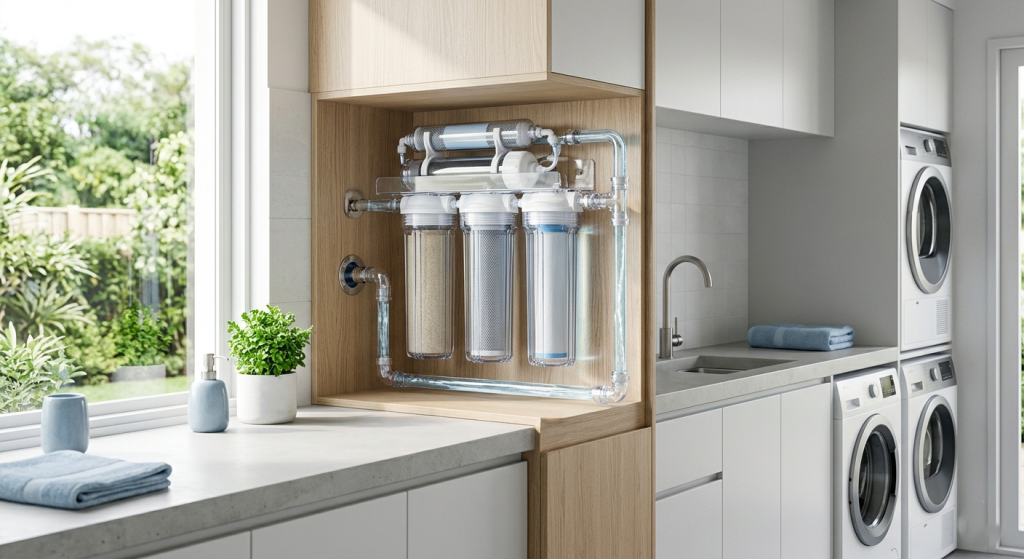
A Complete home filtration System treats the main supply pipe of your home. When water reaches your home’s taps, showers, kitchens, laundry rooms, and appliances, it has already been filtered through a complete home filtration system. Complete home filtration systems are much more efficient than small countertop or jug filters because they improve water quality throughout the property.
Installing a complete home filtration system is no longer just an option for many Australian homeowners; it is becoming increasingly popular for practical reasons.
Once installed, a complete home filtration system operates automatically, giving homeowners peace of mind and confidence in consistent water quality without ongoing manual effort.
Companies like Demand Filtration are seeing increasing demand from Australian households wanting customized filtration solutions rather than generic one-size-fits-all systems. Each suburb and region may have different water quality issues, so customizing filtration systems will become increasingly common.
Water Quality Challenges Across Australian Regions:
Water quality in Australia varies considerably by location, and understanding your regional profile is the most important first step before selecting a filtration system.
Sydney and NSW: Generally soft water from Blue Mountains catchments. Primary concerns are chlorine taste and occasional sediment from aging inner-city infrastructure.
Melbourne and Victoria: Soft, low-mineral water from protected mountain catchments. Chlorine taste is the most common complaint. Bushfire events in catchments can temporarily increase turbidity and organic compound levels.
Brisbane and Southeast Queensland: Moderately hard water. Sediment and chlorine are common concerns, with agricultural runoff a consideration in outer suburban and regional areas.
Perth and Western Australia: Harder water with higher mineral content due to greater reliance on groundwater and desalination. Scale buildup on appliances and fixtures is a common issue, making softening technology a worthwhile addition.
Adelaide and South Australia: River Murray sourcing can result in higher mineral content and stronger chlorine taste, particularly in summer. Carbon filtration is highly recommended.
Darwin and Northern Territory: Generally safe, but seasonal wet weather can affect turbidity. Households on bore water should prioritize UV and sediment filtration.
How a Whole House Water Filter Actually Works (Step by Step)
Homeowners know that using a filtration system provides many benefits. But most don’t understand how a complete whole-house filtration system works. Each complete water filtration system can use different filtration technologies. However, all complete home water filtration systems typically go through the same major cleaning stages.
- Step 1: Sediment Filtration
Usually, the first stage of filtration removes visible dirt, sand, and rust. This type of filtration is the first step in preparing water for fine filtering processes.
Sediment removal in this stage is very important and can lead to premature appliance failure, blocked filters, and decreased efficiency of the entire filtration system. Sediment removal is even more valuable in older Australian suburbs where underground infrastructure may be outdated.
- Step 2: Activated Carbon Filtration
The activated carbon process in the filtration system helps eliminate contaminants that can affect the smell and taste of water from a municipal source.
The majority of homeowners notice significant differences with this type of filtration because the water tastes much fresher, smells much cleaner, and feels much better to shower with.
Advanced carbon filtration is a high-priority feature among Australian households, particularly for chlorine reduction in municipal water supplies.
- Step 3: Specialty Filtration Media
Advanced Complete home filtration systems may include additional media designed to target:
- Heavy metals
- Hard water minerals
- PFAS-related contaminants
- Organic compounds
- Industrial residue
- Chemical pollutants
Different homes require different filtration priorities depending on location and local water conditions.
- Step 4: Distribution Throughout the Home
A complete home system provides filtered water throughout your home. This means that after the water is treated, you will have access to it through all of the pipes in your bathrooms, kitchens, laundries, showers, and appliances.
This whole-home approach to filtration is what sets a complete home filtration system apart from simple under-sink or countertop filtration systems.
Key Features to Look for in a Complete Home Filtration System
Selecting a complete home water filtration system is not as simple as looking at the various prices online. Many factors influence how well a given filtration system will perform over time.
Multi-Stage Filtration
When multiple treatment steps are involved, they are more likely to reduce contaminants overall successfully and to provide consistently good-quality water. Combining sediment filters, activated carbon filters, and specialty media typically produces better long-term results.
Strong Water Pressure Performance
Another common concern for homeowners is that their household will lose water pressure when running multiple fixtures simultaneously with the filtration system. As long as your whole-house filter has been properly designed, you will not experience any pressure drops when multiple household plumbing fixtures are used simultaneously.
Filter Lifespan
Long-lasting filtration systems can reduce maintenance cycles and save money over time, but it’s important to consider filter replacement costs and system lifespan. Regular maintenance ensures continued water quality, and understanding these factors helps you plan for ongoing expenses and system longevity.
Expandable Design
Some homeowners may want to add other filtration solutions such as reverse osmosis (RO), UV purification, or water softener systems. Selecting an expandable system allows for the greatest flexibility.
Local Installation and Support
The trend among Australian homeowners is shifting from a focus on installation price to an emphasis on ongoing after-sales support. Demand Filtration is growing in popularity among Australian homeowners due to the ongoing support and guidance needed to keep their filtration systems running at peak performance long after installation.
Whole House Filter vs. Under-Sink vs. Pitcher: Which One Wins?
Many buyers compare multiple filtration options before investing in a complete home filtration setup.
System Type Coverage Best For Limitation
Whole House Filtration, Entire home, Full-property protection, Higher upfront cost
Under-Sink Filters , Kitchen tap , Drinking water , Limited coverage
Pitcher Filters Small-scale use Basic taste improvement Minimal filtration
Whole-House Systems
A Complete Home Filtration system treats water before it enters household plumbing. Therefore, your kitchen, bathroom, laundry, and appliances all receive filtered water from the whole-home system.
Under-Sink Systems
Under-sink systems typically provide filtered water at a single kitchen tap, which suits smaller households focused primarily on the quality of drinking and cooking water. They do not treat shower, laundry, or bathroom water.
Pitcher Filters
Pitcher filter systems can be a convenient and inexpensive way to filter drinking water, but their filter strength and capacity are limited.
If you want to protect your entire home with filtration, a whole-home drinking water Treatment system offers the most value in the long term.
Health and Home Benefits of Installing a Complete Filtration System
A whole-house water filter unit may provide significant benefits beyond drinking water.
Shower and Bathing Water Quality
Many homeowners notice a noticeable reduction in chlorine odor and increased comfort when showering or bathing after installing a water filter unit.
Skin-Hair Comfort
Many reports from homes across Australia indicate that filtered household water has led to less dryness and irritation.
Appliance Protection
By decreasing sediment and mineral deposits, you can help protect:
- Washing Machines
- Dishwashers
- Coffee Machines
- Hot Water Systems
Better Drinking Water
Taste and odor improvement is one of the most common reasons homeowners consider a filtration unit.
Long-Term Support for Your Plumbing System
Clean water will reduce sediment accumulation and mineral deposits in pipes and fittings over time.
Matching filtration systems to local water conditions is essential because different Australian regions have significantly different water quality profiles.
Common Water Problems a Complete Home Filtration System Can Solve
Chlorine Taste and Smell
While municipal water supply treatment processes may include chlorine disinfection, excess chlorination can result in a strong chemical taste and odor.
A complete home filtration System reduces exposure to chlorine throughout the home, rather than just improving water quality at one faucet. Many homes report a noticeable difference in water quality when showering and when drinking water directly from the faucet.
Sediment and Rust Particles
Pipes that have been around a long time, along with the general aging of infrastructure, may significantly contribute to cloudy, rusty water and/or visible sediment particles.
Over time, sediment buildup can negatively impact appliance operation and cause plumbing issues. Many Australian homeowners install filtration systems to help protect their appliances and improve the overall clarity of their water.
Hard Water Minerals
Scale formation can occur from minerals in the water, resulting in deposits on kitchen and bathroom fixtures, appliances, and even your shower head.
Many households across Australia use filtration systems to reduce the likelihood of long-term hard-water issues. Many of our customers choose a combination of filtration and softening technologies when they live in areas with mineral-rich water.
Chemical and Environmental Contaminants
Some homeowners have installed more sophisticated systems in their homes due to concerns about contaminants, such as PFAS (per- and polyfluoroalkyl substances), industrial chemicals, agricultural runoff, and pesticide residues.
As a result, Demand Filtration has seen a significant increase in sales of purpose-built multi-stage filtration systems tailored to specific Australian water concerns, rather than generic single-stage systems.
Inconsistent Water Conditions
Water quality can vary depending on weather, infrastructure maintenance, and seasonal changes in supply.
An effective, properly functioning complete home filtration system provides stable household water quality that can be maintained year-round.
Top 7 Complete Home Filtration Systems Available in 2026

The Australian water filtration industry continues to move at a rapid pace. Each year, we see new Complete Home Filtration (CHF) technology being introduced to Australian homes. Today’s homeowners are searching for better-tasting drinking water, healthier, cleaner showering water, protection for their appliances, reduced chemical use in their homes, and reduced wear and tear on their plumbing for the long haul.
Water quality varies greatly across Australia’s different suburbs and regions. As such, what are the most suitable solutions for one household may not be the same as those for others; therefore, more operators are turning to custom-made solutions from specialist water filtration service providers like Demand Filtration.
1. Carbon-Based Whole House Systems
These units are among the most preferred and widely used systems for reducing chlorine taste and unpleasant odors (and much of the chemical residue) from municipal water supplies.
These systems do an excellent job improving the overall freshness of water used in showers, kitchens, and bathroom sinks, and most are straightforward to install through a licensed plumber.
2. Reverse Osmosis Integrated Systems
These advanced setups combine membrane filtration with whole-home Treatment for stronger contaminant reduction.
Households concerned about dissolved solids, PFAS-related contaminants, or higher-purity drinking water often prefer reverse osmosis integrated systems because they offer deeper filtration than standard carbon filtration alone.
3. UV Filtration Systems
Ultraviolet filtration uses UV light to neutralize bacteria, viruses, and other microorganisms without adding any chemicals to the water. UV systems are particularly valuable for households on rainwater tanks, bore water, or rural supplies where microbial risk is higher. They are most effective when combined with sediment and carbon pre-filtration to ensure the water is clear enough for UV light to penetrate effectively.
4. Sediment and Carbon Combination Systems
These dual-stage systems offer an accessible entry point into whole-home filtration at a lower price point than multi-stage setups. They effectively address the two most common household water complaints, visible particles and chlorine taste, making them a practical choice for homes in areas where water quality is generally good but could benefit from improvement at the point of entry.
5. Smart Filtration Monitoring Systems
Smart systems incorporate digital sensors and app-connected monitoring to track filter life, water usage, and system performance in real time. Some models send alerts when filter replacement is due or when unusual flow patterns are detected. These systems are growing in popularity among Australian homeowners who want full visibility over their water quality without relying on manual checks.
6. Large Family Filtration Systems
Designed for homes with five or more occupants, these high-capacity systems are built to handle greater daily water volumes and higher simultaneous flow demands without compromising filtration performance or water pressure. Key specifications to look for include flow rates above 40 liters per minute and filter capacities of 200,000 liters or more between replacement cycles.
7. Custom Multi-Stage Filtration Systems
Customized filtration systems are becoming increasingly popular because Australian water conditions vary heavily between suburbs and regions.
Companies like Demand Filtration often design filtration systems around local water reports rather than installing identical systems in every home.
How to Choose the Right Complete Home Filtration System (Buyer’s Checklist)
When you are selecting the best Complete Home Filtration system, you need to take time to plan carefully.
Know Your Water Quality
Testing the quality of your water will let you see which filtration you actually need, rather than assuming.
Evaluate Your Usage
Larger households often require higher flow rates and greater filtration capacity.
Compare Costs Over the Long Term
Replacement filters, service, and maintenance costs will all contribute to overall long-term ownership costs.
Look for Professional Installation
Having a professional install your filtration system can provide better water pressure stability and long-term reliability.
Consider Your Future Upgrades
Some homeowners will later add a UV system, reverse osmosis filtration, or a water softener.
Many households in Australia are now turning to Demand Filtration for support in selecting the right-sized and type of filtering system and avoiding oversized or incorrect systems.
Installation and Maintenance Tips for Whole House Water Systems
A complete home filtration system performs to its best capabilities when both installation and maintenance are done correctly.
1. Install the system in a location that is easy to reach:
Having the system in a location that is easy to access makes maintenance and filter changing much more convenient.
2. Change the filters as needed:
Old filters can degrade water quality and reduce system efficiency.
3. Observe pressure changes:
If you notice the water pressure dropping, you may have sediment buildup or a clogged filter stage.
4. Have the system serviced regularly:
Regular system checks help you identify leaks, worn components, or declining performance, preventing major problems from developing.
Choosing a supplier that offers ongoing maintenance support, not just installation, is an increasingly important factor for Australian homeowners making long-term filtration decisions.
Signs Your Home Needs a Complete Water Filtration Upgrade
You may want to consider a full home filtration unit if you spot one or more of these warning signs:
Unpleasant Chemical Smells
A strong chlorine smell may indicate a heavily treated municipal water supply.
Cloudy Water or Sediment Present
Visible sediment or particles in your water often indicate problems with your infrastructure or filtration system.
Mineral Deposits/Build Up
White scale buildup around faucets and appliances may indicate hard water.
Dry Skin and Hair
Many homeowners experience skin or hair irritation attributed to high levels of chlorination and/or minerals in their water.
Appliance Performance Issues
Over time, sediment and scale buildup in appliances can reduce performance.
As water conditions can vary dramatically from region to region in Australia, Demand Filtration always recommends checking local water quality before purchasing a new filtration system.
Is a Complete Home Filtration System Worth It? Our Verdict
In recent times, investing in whole-house filtration systems has become a more common occurrence for many Australian families rather than an option.
The number one benefit of a whole-house filtration system is convenience: you get better water quality from all your plumbing fixtures throughout your house.
Many people also see value in the following improvements:
- Appliance protection (fewer repairs and replacements).
- Sediment cleaning (less buildup).
- Shower comfort (softer hair and skin).
- Clean drinking water (safer drinking water).
- Consistent water quality throughout the house.
While the upfront cost of a whole-house filtration system is higher than that of a single-tap filter or pitcher, the long-term value in health protection, appliance longevity, and consistent water quality throughout the home makes it a worthwhile investment for most Australian households.
As a result, companies such as Demand Filtration are gaining popularity among homeowners who prefer custom Australian residential solutions and receive ongoing service and support.
Conclusion
Complete home filtration is no longer a luxury purchase for Australian households; it is a practical long-term investment in health, comfort, and home protection. As water quality challenges vary across regions and awareness of contaminants like PFAS, chlorine byproducts, and hard water minerals grows, the demand for whole-home solutions will only increase.
The right system for your home depends on your local water quality, household size, budget, and long-term goals. Start with a water test, match your filtration technology to your specific contaminant profile, and choose a supplier that offers ongoing support well beyond installation day.
Clean water from every tap in your home is not just possible in 2026; it is more accessible and affordable than ever before.