_edited_9.png)
Table of Contents
INTRODUCTION:
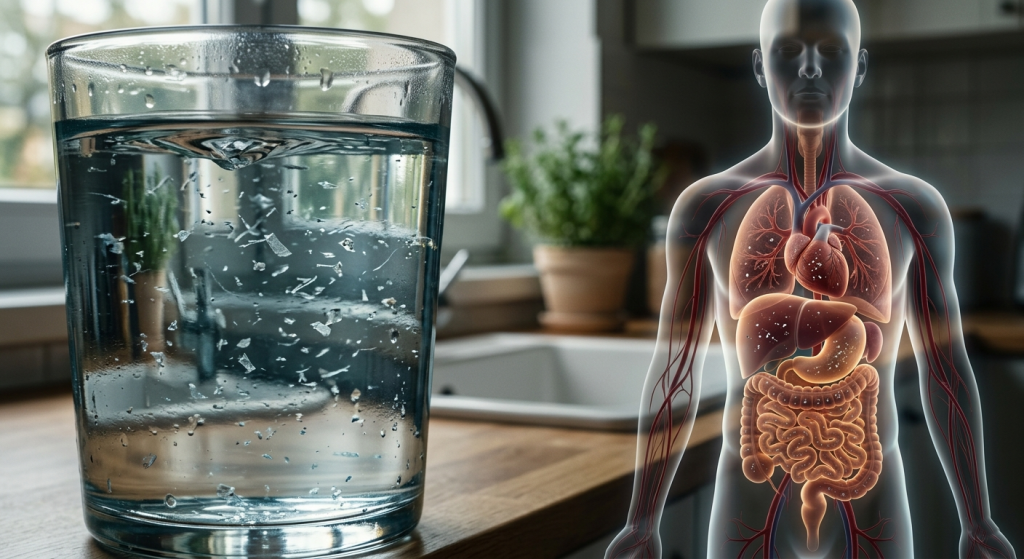
In this blog post, we will discuss how microplastic contamination levels have increased tremendously over the last 50 years. Both in terms of the size and amount of microplastic contamination. How tiny pieces of plastic are being found anywhere and everywhere, including inside our bodies. Why experts believe that the use of household tap water may contribute to the increase in microplastic contamination levels. Recent scientific studies have revealed that tiny plastic particles have been found in human blood, lungs, reproductive organs, and even brain tissue!
This article explores the science, real-world studies, health concerns, and practical ways to reduce exposure in everyday life.
What Exactly Are Microplastics?
Microplastics are small pieces of plastic measuring less than 5 millimeters. They can be made for commercial use or result from other forms of plastic degradation caused by sunlight, heat, or environmental exposure.
Primary vs Secondary Plastic Particles
Primary Plastic Particles are manufactured intentionally for use in production, cleaning products, personal care items, and industrial processes. Though regulations have reduced their prevalence, they remain present in some supply chains.
Secondary Plastic Particles form when larger plastic items, such as bottles, packaging, synthetic fabrics, and fishing gear, physically break down over time due to sunlight, heat, and environmental exposure.
Why Are Microplastics Everywhere?
Researchers believe the rapid increase in plastic production over the past several decades is one of the biggest reasons microscopic plastic contamination is now found almost everywhere. According to the United Nations Environment Program (UNEP), global plastic production has increased dramatically since the 1950s, creating long-term environmental accumulation.
The World Health Organization (WHO) has also acknowledged growing concern around microscopic plastic contamination in water systems, food chains, and indoor environments. Scientists believe these particles spread so widely because plastics break down slowly while continuing to fragment into smaller and smaller pieces.
Today, microscopic plastic particles have been detected in oceans, bottled water, seafood, household dust, rainwater, and even inside human tissue. Researchers from the National Institutes of Health (NIH) have stated that long-term human exposure pathways are now becoming a major area of scientific investigation.
The Invisible Plastic Problem Most People Never Think About
Plastic pollution was long considered primarily an environmental concern impacting oceans, beaches, and marine species. However, researchers now believe that plastic pollution is already far more pervasive than simply the visible physical pollution. Nanoparticles (or microplastics) are now in ecosystems, food systems, indoor air, and even water supplies in quantities that would have been very difficult to quantify only a few years ago.
What makes this particularly concerning is that these particles are small enough to pass through conventional water treatment systems undetected. They are small enough to get through the water treatment systems unnoticed.
Unlike larger pieces of plastic, microscopic plastic waste is difficult to pick up or remove. Microscopic pieces of plastic persist in the environment after they enter; these will keep breaking down into smaller micro-piles over time. Scientifically, this poses a greater threat than ever because they could become part of our daily lives due to the difficulty of implementing current technologies and environmental practices.
Why Scientists Are Alarmed About Microplastics in Human Organs
Scientists are not only concerned about the physical presence of microscopic plastic particles. Many researchers are concerned that plastics may also contain chemical additives, heavy metals, and environmental toxins that can enter the body.
According to NIH-supported discussions, researchers are investigating whether long-term exposure could contribute to inflammation, immune system stress, hormonal disruption, and neurological effects.
WHO has also stated that continued scientific monitoring is essential because the long-term biological effects of these particles remain unclear.
Plastic Particles Found in Human Blood
Microscopic plastic particles in blood samples taken from research participants were found by researchers studying the impact of humanity on the environment. These results indicated that microplastic particles may travel throughout the body, including through the gut.
Concerns about microplastic contamination are not based solely on the presence of plastics. Scientists are also concerned about how microplastics can contain harmful additives and chemicals, having absorbed them from their surrounding environments.
Plastic Fragments Found in Human Lungs
Researchers studying lung tissue have observed tiny plastic fibers embedded deep within the respiratory tracts. This indicates that inhaling plastics could be another major route of exposure to these substances, like food and drinking water.
The contribution of indoor environments to this problem is likely significant, as materials such as synthetic carpets, textile fibers from clothing, furniture products, and household dust produce millions of microscopic particles every day that are then released into the air.
Microplastics Discovered in Human Brain Tissue
A shocking discovery was made when researchers found tiny plastic pieces in samples of human brain tissue. Many people are worried about this because the brain has natural barriers that stop toxins from reaching the brain.
Scientists will continue to investigate what this means for people in the long term. But the findings have sparked even greater global interest in microplastics and their effects on neurological health.
Placenta and Reproductive Tissue Findings
Research on reproductive and placental tissue found that concerns exist for unborn fetuses being exposed prenatally. More studies are now suggesting that prenatal exposure may occur before delivery in some cases.
How Tap Water Becomes Contaminated with Plastic Particles
People often think that the only contaminants in household tap water are bacteria or chemical pollutants. But now, plastic is becoming a growing concern regarding the quality of our drinking water.
Environmental Plastic Pollution
Plastic waste that ends up in rivers, reservoirs, and oceans will eventually break down into tiny pieces as it travels through the water cycle. They could potentially enter municipal water supplies.
Water Treatment Limitations
Many modern treatment plants do a great job removing contaminants from water. However, some particles are very small (like plastic) and hard to remove completely. Microplastic particles can be so small that the filter system cannot remove them from the wastewater stream.
Household Plumbing and Infrastructure
Old plastic pipes, fittings, water tank storage, and the plumbing in your home could contribute to the small amounts of any microscopic particles that may be introduced into your drinking water.
Bottled Water vs Tap Water
Some researchers have found that bottled water has higher concentrations of microplastics than some municipal water supplies. Depending on how the bottle was packaged, the process used to fill it, and how it was stored, these factors could also lead to microplastic contamination.
Real Studies and Statistics That Changed the Conversation
Recent scientific research has significantly raised awareness of the presence of microscopic plastic particles in water.
Human Blood Research Reference
A 2022 study published in Environment International detected microscopic plastic particles in nearly 80% of tested human blood samples. Researchers stated that this finding confirmed that tiny plastic fragments can enter and circulate within the human bloodstream.
Brain Tissue Research Reference
A recent study published in Nature Medicine raised global concern after researchers identified microscopic plastic particles inside human brain tissue samples. Scientists involved in the study explained that the discovery was particularly alarming because specialized biological barriers protect the brain.
WHO Concerns About Long-Term Exposure
The World Health Organization (WHO) has highlighted that more research is urgently needed to fully understand the long-term effects of chronic exposure to microscopic plastic particles through food, air, and water.
NIH Research Discussion
Researchers affiliated with the National Institutes of Health (NIH) have discussed possible links between exposure to microscopic plastic particles and inflammation, oxidative stress, and disruption of normal cellular function.
Potential Health Concerns Linked to Long-Term Exposure
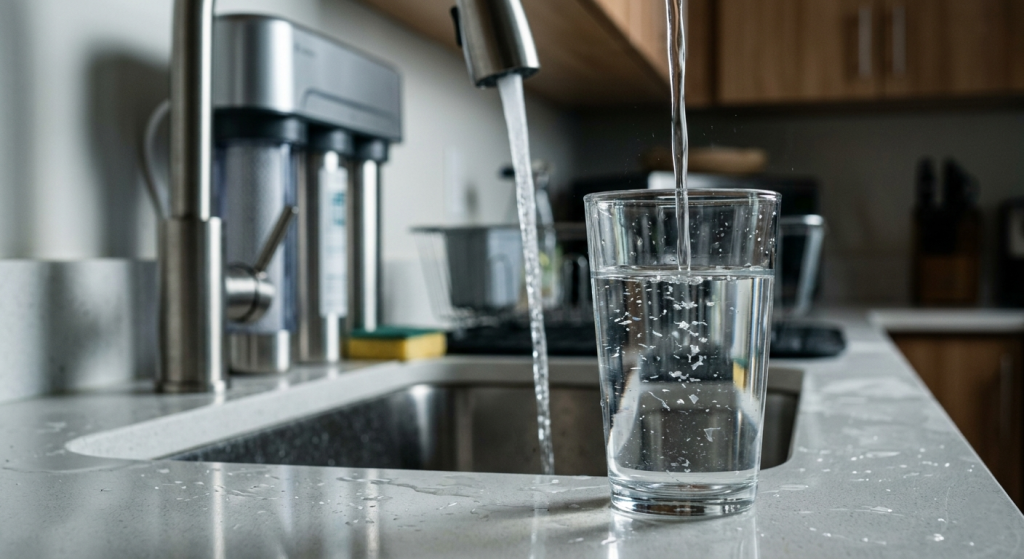
Although researchers are working to understand the full health effects of microplastics. Ingestion through food, water, and the air is being studied in depth in several areas.
Chronic Inflammation
For instance, the potential for microplastics to cause tissue irritation or trigger an immune response after long-term exposure is attracting researchers’ attention. Others, because chronic inflammation is associated with many chronic diseases.
Chemical Transfer Risks
Most plastics contain additives, which can include numerous known environmental toxins, and some researchers are concerned that these additives may enter the human body through microplastic particles.
Hormonal Disruption
Several compounds used in the manufacture of plastics and certain chemicals associated with plastics are currently being investigated for their effects on human hormones and endocrine systems.
Digestive and Respiratory Concerns
Researchers are exploring the effects of microplastics on the gut and respiratory systems because they can enter the human body through food and beverage consumption and inhalation.
Neurological Questions
Discovery of Microplastics in brain tissue raises new questions about memory, cognition, Inflammation, and the Protective barriers of the brain.
Although no conclusion can be reached at this time, experts agree that urgent further research is required.
Researchers remain concerned because exposure to microscopic plastic particles may occur continuously over decades rather than through a single event. This long-term accumulation is one reason why scientists from the WHO, NIH, and other international research organizations continue to call for broader studies of human exposure and biological impacts.
Which Water Filtration Systems Help Reduce Microplastic Exposure?
Microscopic particles can be hard to remove. However, some filtration technologies can effectively reduce exposure to these hazards.
Filtration System Effectiveness Against Microscopic Plastic Particles: Overall Rating, Best Use Case
Reverse Osmosis Systems: Excellent removal performance for extremely small contaminants, 9.5/10. Drinking water purification
Whole House Water Filtration Systems: Good overall reduction, depending on filter quality, 8/10. Full-home water treatment
Under-Sink Water Filters are effective for improving kitchen and drinking water, with a rating of 7.5/10. Targeted daily drinking water use.
Reverse osmosis systems are often considered the strongest option for reducing extremely small contaminants because their membrane filtration process blocks very fine particles. Whole-house systems improve water quality throughout the home, while under-sink filters focus mainly on drinking and cooking water quality.
Everyday Habits That Quietly Increase Plastic Exposure
Many individuals may increase their exposure to hazardous substances without realizing it through their mundane day-to-day habits.
- Heating food in plastic containers.
- Drinking frequently from disposable bottles.
- Reusing damaged plastic storage containers.
- Regularly storing synthetic materials with synthetic fabrics.
- Utilizing plastic kitchen tools and utensils that have been exposed to heat.
Making small changes in day-to-day (long-term) habits could reduce unwanted exposures over time.
Practical Ways to Reduce Exposure at Home
There is no need to make significant lifestyle changes to reduce your exposure to microplastics. Small, consistent improvements can often have the largest impact.
Improve Household Water Filtration
Install reliable filtration systems to improve your water quality and reduce your concerns about contaminants.
Use Glass or Stainless Steel When Possible
Replacing heated plastic food containers with safer alternatives will help reduce the risk of chemicals leaching from those containers into the food.
Reduce Single-Use Plastic Consumption
Using reusable items reduces both personal exposure to microplastics and environmental contamination.
Stay Informed About Water Quality Research
As scientific understanding evolves, staying informed helps households make smarter decisions about water safety and filtration.
Final Thoughts
Microplastics found in human organs have turned an environmental issue into a direct concern for public health and safety. While long-term studies are still ongoing, there is sufficient evidence to show that plastic micro-contamination is now commonplace throughout contemporary life.
In Australia, householders are becoming more conscious of their energy habits. Cleaner water, smarter filtering options, and less reliance on plastic will all help reduce long-term exposure to the growing global presence of tiny plastic particles.