_edited_9.png)
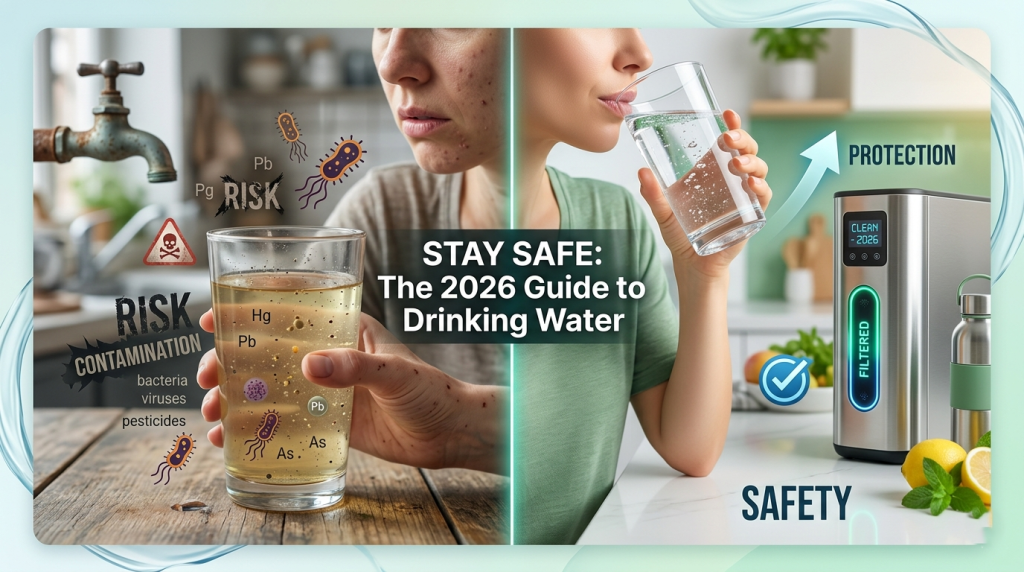
Table of Contents
This blog discusses some health risks associated with drinking unfiltered water. Why many people believe that the health risks of drinking unfiltered water are undervalued in Australian homes, and how the health risks of drinking unfiltered water can harm your health without you even realizing it.
The water quality standards are good throughout Australia. However, there are still issues with having health risks associated with drinking unfiltered water due to either old infrastructure or the water being used from dirty places.
The following informative guide will help to provide details of the health risks associated with drinking unfiltered water, with an emphasis.
What Does Unfiltered Water Really Contain?
To know the health risks of drinking unfiltered water, you must start by discovering what is present in untreated water. Because even when water appears to be clear and safe, the fact is that many of the harmful contaminants are not detectable. They can be seen, odorless or tasteless, which makes for a substantial risk associated with drinking unfiltered water.
Waterborne contaminants can come from many sources, including natural environmental processes, industrial activities, agricultural runoff, and aged infrastructure. The accumulated presence of these chemicals gives an increased health risk for those who drink unfiltered water, all of which have no observable indicators of contamination.
Microbial Contaminants
Among the most prominent sources of health problems associated with drinking untreated water are viable bacteria, viruses, and parasites. Treatable pathogens, such as E. coli, Giardia, and Cryptosporidium, can persist in untreated water, resulting in infections that impact gut health.
These microorganisms cause a direct increase in the health risk of consuming unfiltered drinking water, specifically in rural areas or homes that use untreated sources. Even short-term exposure can result in symptoms such as nausea, diarrhoea, and fatigue, whereas long-term exposure will increase the risk of vulnerability.
Chemical Contaminants
The presence of chlorine by-products, herbicides, pesticides, and other industrial chemicals is also responsible for many of the health hazards. These pollutants usually enter the groundwater via agricultural practices or industrial processes.
In addition, long-term exposure to these chemicals can affect internal systems and balance of hormones or add to an increased level of the health risks. That can be caused by drinking contaminated or unfiltered water, both in clear and significant ways.
Heavy Metals and Toxins
Lead, arsenic, mercury, and other heavy metals can come from corroded pipes or through environmental contamination. Heavy metals build up in your system over time, so drinking unfiltered water greatly increases your risk of negative health issues.
While microorganisms are often linked to acute illness, heavy metals have been shown to produce delayed toxicity, neurological effects, and organ toxicity. Heavy metals are among the most dangerous elements of health risk related to drinking water that has not been filtered.
How Unfiltered Water Affects Everyday Health
Health risks associated with drinking unfiltered water develop over time, meaning that they may not show up right away or be dramatic in nature. However, over time, these small effects can accumulate into visible health problems for people, particularly if they are regularly exposed to unfiltered water.
Digestive System Impact
Drinking unfiltered water can also lead to a variety of serious health issues. Such as an upset stomach, gas and bloating, irregular digestion, and less efficient absorption of nutrients.
If harmful microorganisms enter the digestive tract, they can upset the natural balance of bacteria living in the intestines, ultimately resulting in chronic digestive issues. Over time, chronic digestive issues can lead to general malaise, immune system dysfunction, and overall poor health.
Skin and External Effects
Using unfiltered water while bathing, washing dishes, or cleaning constitutes another exposure to the potential adverse health effects of drinking unfiltered water. Chlorinated water and dissolved minerals can cause the body to lose natural oils from its skin, resulting in dryness, irritation, and increased sensitivity.
If you have a predisposed skin condition, such as eczema or psoriasis, then these adverse effects will likely worsen due to your existing condition.
Hydration Quality
Water that does not meet quality standards will detract from the effectiveness of the body at hydrating itself. That means, even though you are drinking enough liquid, the contaminants in unfiltered water may prevent you from using the liquid properly for purposes of cellular hydration. Therefore, the body does not receive all of the benefits provided by the water consumed.
Long-Term Health Risks of Drinking Unfiltered Water
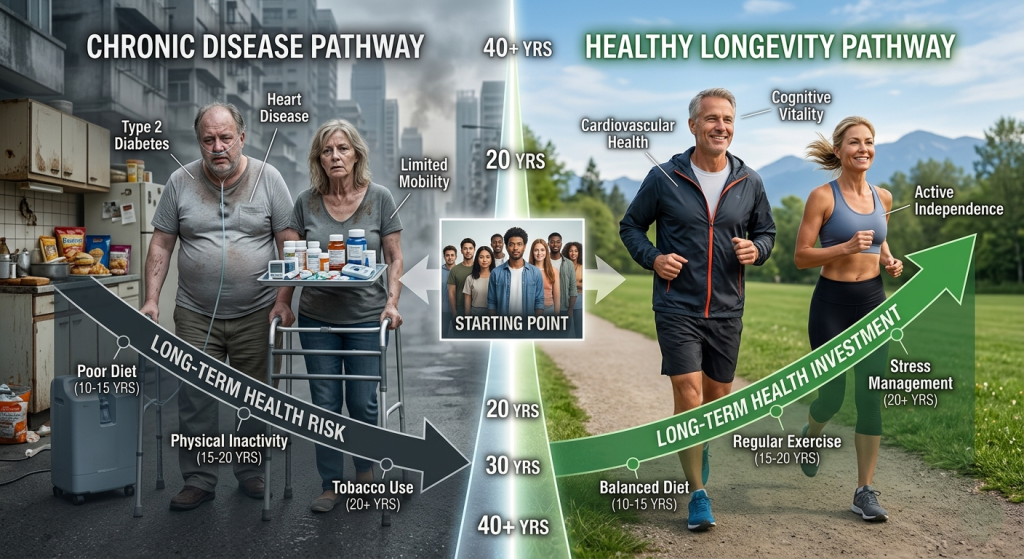
The health impact of drinking unfiltered water is compounded over time with continued exposure to contaminants. As long-term exposure to unfiltered water continues, an accumulation of these contaminants can occur in your body without any immediate notice.
The added level of contamination after months or years of drinking unfiltered water could result in chronic conditions that cannot be linked to the quality of water.
Chronic Health Conditions
The health risks of consuming unfiltered water are greatly increased after years of exposure to contaminants. Some examples of these health issues include stress on the kidneys, liver dysfunction, cardiovascular problems, and metabolic disorders, which all occur slowly, making it difficult to notice early on.
Toxic Accumulation
Gradually accumulating toxins in the body is a primary danger associated with the health risks of drinking unfiltered water. Tissues accumulate heavy metals and other chemical residues, increasing toxicity and having an adverse impact on several organ systems. Therefore, the health risks posed by drinking unfiltered water are especially troubling for long-term health.
Immune System Impact
Drinking contaminated water continuously can weaken your immune system. Compared to unfiltered drinking water, drinking non-filtered water could impair your body’s ability to fight infection, and therefore, you may be more susceptible to many types of illness.
This leads to more frequent infections over time, and you would be less likely to recover quickly from normal medical problems, such as a cold.
Why Australian Households Should Pay Attention
Across Australia, unfiltered drinking water can carry different health risks even with strict regulations. Various geographic, infrastructural, and water source factors will have an impact on the level of risk in your area.
Urban vs Rural Differences
Although the urban system is managed, water quality can still be impacted by the ability of aged distribution mains to distribute non-filtered drinking water. On the other hand, drinking water from bore and rain in rural settings is inconsistent and creates an increased health risk due to varying treatments.
Ageing Pipes and Plumbing Infrastructure
Older pipes and plumbing in Australia’s homes are of great concern. When pipes corrode, they can add sediment, traces of metals, and change the quality of the water, creating health risks for those who drink unfiltered water. This section has been included at this point as the infrastructure-related risks are clearly in line with the other challenges that are Australian-specific in nature.
Bushfire, Flooding, and Extreme Weather Impacts
Catchments will be impacted by bushfires via ash runoff, and flooding has the potential to bring sediments into catchments as well as microbial contamination. In some areas, seasonal extremes may temporarily increase the public health risk associated with drinking unfiltered water.
Rural Bore Water and Tank Water Risks
Many households in rural areas utilize bore or rainwater tanks for drinking water. Therefore, bore and rainwater tanks need to be monitored because they can become contaminated with microorganisms, minerals, and agricultural runoff.
Environmental Factors
The quality of water can also be impacted by droughts, flooding, or seasonal variability. These directly affect drinking water health risk, and therefore affect community health overall. These changes are especially pronounced in areas where there are variable supplies of safe drinking water.
Hidden Ways You’re Exposed to Unfiltered Water
It is common for individuals to miss opportunities for interaction with untreated water, as many don’t know they have access to such water through their daily activities. Drinking unfiltered water can carry health risks, besides drinking it from your tap.
- Daily exposure points.
- Cooking and preparing food.
- Making ice for drinks.
- Inhaling steam from a hot shower.
These three forms of exposure lead directly to the combined health risks associated with drinking unfiltered water, without your being aware of doing so directly.
Scientific Evidence Behind the Health Risks
Numerous studies have found scientific relationships between drinking contaminated or unfiltered water and a variety of health issues. Many of these same studies also indicate that the health risk associated with drinking unfiltered water increases with frequent consumption.
Research-Based Findings
- Unsafe drinking water is linked to a range of health risks, including increased incidence of waterborne diseases – this is supported by WHO research and extensive global water safety data.
- A 2019 global research collaboration focused on exposure to lead has shown that prolonged low exposure to lead through drinking water can lead to long-term neurological and developmental issues.
- Recent studies have identified an association between microbial contamination of drinking water and the occurrence of gastrointestinal illness outbreaks associated with untreated pathogenic organisms within the water source.
- Research regarding disinfection by-products and exposure to chemicals has highlighted potential risks associated with exposure to different contaminants found within poorly managed water sources over extended periods.
What Research Says?
Studies on unfiltered drinking water indicate both short-term illnesses and long-term health risks. The cumulative risk is especially acute in communities where there are infrastructure problems, poor quality source waters, or inadequately functioning plumbing systems within households.
Comparing Filtered vs Unfiltered Water
Understanding both of these types of filtration comparisons provides a clearer picture of the health consequences associated with consuming unfiltered water.
Key Difference:
- Contaminants are removed from the filter water.
- Unfiltered water carries a higher risk of exposure.
- Filter water enhances the safety and flavor of the product.
The main advantage of drinking safe, filtered water is reducing the health risks associated with consuming unfiltered water.
Practical Ways to Stay Safe
Consistent action is required to lessen the health risks of drinking unclean water.
Effective safety strategies include:
- Using proper filtration systems.
- Conducting regular tests for the quality of tap filtered water.
- Keeping up with the maintenance of plumbing systems.
By taking these steps, one will decrease the health risks of consuming unfiltered drinking water.
Choosing the Right Filtration System
Choosing an appropriate water filtration system is critical to reducing the health risks associated with consuming unfiltered water. Not all types of water filtration systems function the same, and choosing the wrong type of system may not adequately remove contaminants from your drinking water.
Knowing what your drinking water is tested for and matching your test results to the appropriate type of filtration system will ensure you effectively reduce health risks from unfiltered water.
The Best Containers:
Reverse osmosis systems:
Reverse osmosis (RO) systems are the most effective option for removing a wide variety of contaminants from your drinking water, greatly reducing your risk to health from the consumption of unfiltered water.

Activated carbon filter systems:
Activated carbon filter systems are best for decreasing unpleasant tastes in drinking water as well as removing chlorine and some chemicals. That can help to decrease the health risks of drinking unfiltered water.
Ultraviolet light purification systems:
Ultraviolet light (UV) purification systems are designed to target the microorganisms that can pose a biological health risk. When drinking unfiltered water, it reduces the biological health risks associated with consuming unfiltered water.
Maintenance and Long-Term Protection
The initial step of installing a filtration system is very important for maintaining the quality of water. But ongoing maintenance is also needed to maintain your drinking water and limit the health risks associated with drinking unfiltered water. Without continuous maintenance, the best filtration systems may stop working properly and allow contaminants into your drinking water over time. The long-term effectiveness of your filtration system requires continued attention to the functioning of the filtration system and consistent quality of care of the filtration system.
Maintenance Essentials:
Regular filter replacements:
Replacing filters on a set schedule will help continue to ensure your system provides you with health protection from drinking unfiltered water.
System inspections:
Regular system inspections will help to identify problems before they become more serious, and can be an effective way of keeping the system performing properly.
Monitoring water quality:
Evaluating your water based on how it tastes, smells, and looks can assist you in determining the condition of the system.
Conclusion
Many of us take for granted that our tap water is safe to drink, but the truth is that drinking unfiltered water comes with many health risks. When you understand those risks and how to avoid them, it’s easiest for families in Australia to protect themselves from poor health.
Healthy drinking water plays a vital role in maintaining your overall health, so it’s important for every family’s priority should be managing the risks associated with drinking unfiltered water.