_edited_9.png)
Table of Contents
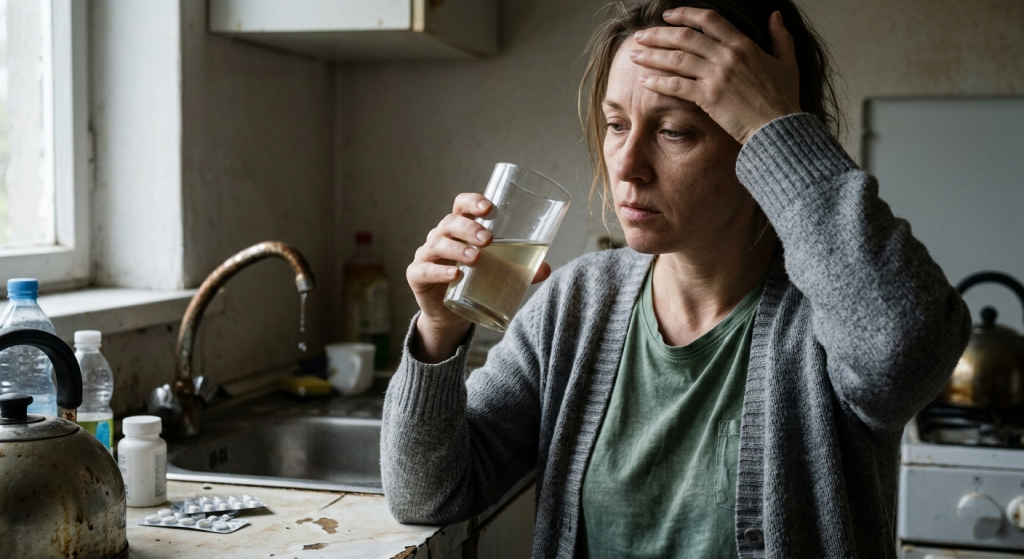
This blog explores how everyday water-related problems can create hidden health issues for many people today. It also addresses how many individuals have difficulty connecting the quality of the water they receive to their health. Finally, it discusses how the knowledge of water quality will help to make better decisions about how to use water in their home.
Water in Australia is treated for distribution, but not all properties have the same quality of water at their premises. Aging pipework, minerals in the water, contaminants, and local conditions can affect water safety. This guide explores the less obvious side of poor water quality-related health problems and the practical steps that can help reduce risk.
What Poor Water Quality Really Means
There is a frequent misconception about dirty water, as the perception is based on visually dirty water. However, it can be caused by chemical by-products, heavy metals, excess minerals, bacteria, sediment, and plumbing-related issues. Water that appears clean may pose health risks due to the presence of chemical and bacterial contaminants.
It Is Not Always About Contamination Events
Water quality is not only a concern during emergencies. Many things can be an issue with your water every day. Examples include:
- High levels of chlorine or disinfection by-products.
- High levels of hardness and mineral imbalance.
- Lead and copper from older plumbing.
- Agricultural runoff occurs in some parts of the country.
- Bacterial contamination through untreated private wells.
Quality Can Affect More Than Drinking Water
Water is involved in many aspects of our daily lives, such as drinking, cooking, showering, doing laundry, and adding humidity to the indoor air through steam. As a result, discussions about the negative health effects of poor-quality water can extend to other areas of one’s life beyond kitchen tap water.
What Causes Poor Water Quality at Home
The source of municipal water may not always be the reason for poor-quality water contamination. Water quality issues can result from multiple sources, including infrastructure, water chemistry, plumbing in your home, and environmental conditions that affect the safety of your drinking water.
Common Household Causes
Old Pipes
Old plumbing can add metals or rust particles to your drinking water, affecting its taste or smell. Also, the actual plumbing materials may have contributed to long-term water quality problems in some homes.
Hard Water Scale Buildup
Mineral-laden water leaves deposits in appliances, makes your skin feel bad, & affects soap performance. It also builds up scale on equipment and in your plumbing, reducing flow rate and efficiency over time.
Dirty Local Water Sources
Seasonal rainfall drought affects water quality in some areas due to infrastructure changes or changes in the source of the water supply.
Private Water Systems
Tank & bore water systems may also be subject to bacteria, sediment, and runoff. Therefore, if you have these types of private water systems, you will need to check them regularly for signs of maintenance neglect.
Other Often-Overlooked Factors
- Outdated water heaters can cause stagnant water
- Household plumbing that is not used can lead to bacterial buildup in pipes.
- When filters are not properly maintained, they can introduce more contaminants than they remove.
These causes help explain why the experience of health issues from poor-quality drinking water varies from one home to another.
Signs Your Water May Be Affecting Your Health
Subtle symptoms related to poor water quality may be misdiagnosed as diet, climate, or habitual irritations when, in fact, they are due in part to poor water quality.
Potential Warning Signs
- Dry skin remains after showering: Mineral-heavy or chemically harsh water can sometimes worsen irritation.
- Unusual flavor or odor of your water: If it has a metallic smell, it may be an issue.
- Digestive discomfort in sensitive individuals: In some situations, water quality can be one factor worth investigating.
- Hair that is losing its shine or becoming brittle: Over time, hard water can affect how hair feels and behaves.
Small Signs Can Add Up
An isolated symptom may not be significant, but the presence of multiple symptoms over time may indicate a water-quality-related health issue warranting investigation.
How Poor Water Quality Can Affect the Body
You are always interacting with your body through the water, which makes long-term exposure important.
Skin & Other External Impact
Water with excess minerals or irritants may cause:
- Discomfort on the skin
- Dryness of the scalp
- Flare-ups due to sensitivity
Concerns of Internal Exposure
There may be long-term exposure to substances due to poor-quality water, depending on the issue.
Indirect Impacts on Health
In some situations, health problems caused by poor-quality water are more indirect than they are immediate:
- Reduced hydration due to the undesirable taste of water
- Increased reliance on bottled beverages or soft drinks as a substitute
- Stress or anxiety about the safety of water
Taking an overall perspective on these outcomes is very important because many of the health impacts are neither dramatic nor immediate.
Hidden Long-Term Poor water quality health problems
This part of the article really begins to tackle some more serious issues related to poor drinking water quality. Because many of the risks associated with poor water quality may develop over time, rather than show symptoms right away.
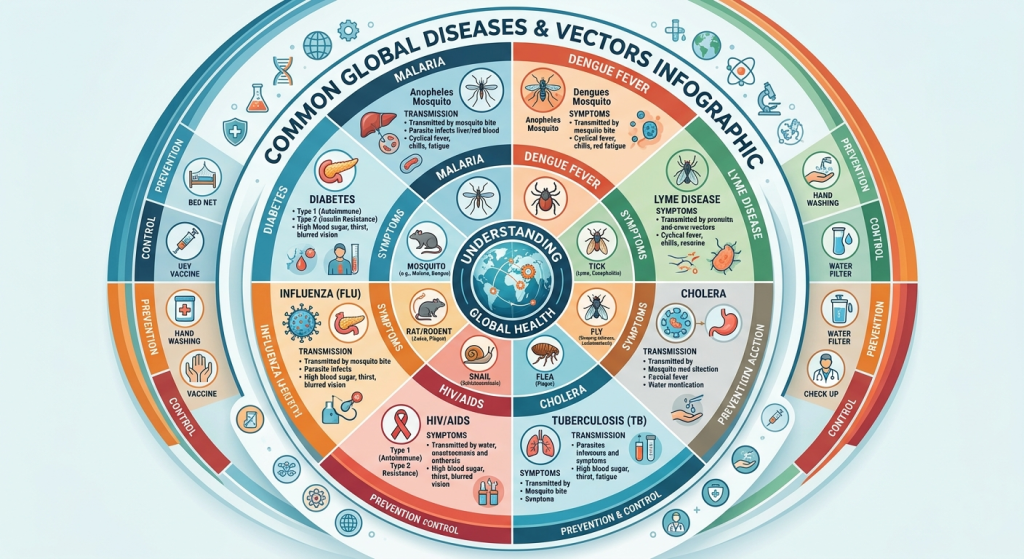
Potential Long-Term Concerns:
Exposure to Metals
Repeated low-level exposure to metals in drinking water could ultimately raise concern among some about whether this continued exposure will have long-term adverse health effects.
Chemical By-Products
Some households may become concerned about the long-term effects of continuous exposure to chemical residues or Treatment by-products.
Microbial Risks from Private Water Sources
Where untreated or poorly maintained private water supplies are used, there is a greater risk of microbial contamination.
Understanding the potential hidden effects
- Continual irritation or sensitivity that appears unrelated to water.
- Long-term exposure issues are associated with cumulative intake.
- Loss of trust in drinking water can lead to poor hydration habits.
Who Is Most at Risk from Poor Household Water Conditions
While everyone benefits from improved water quality, some populations are more vulnerable. The negative effects of poor water quality are due to either biological or environmental factors.
Young Children
Developing bodies are often much more sensitive to various types of exposure, so families need to consider the quality of their drinking water.
Older Adults
There can be many factors associated with age that increase vulnerability; factors such as hydration and immune function come into play here.
People With Pre-Existing Health Conditions
Those individuals with kidney disease, compromised immune systems, or skin sensitivities may be more likely to be conscious of water quality.
Households With Private Water Sources
These households may need to monitor their water much more closely than households using public water, because their water supply is not subject to the same oversight as municipal systems.
Lifestyle and Exposure Can Also Matter
Individuals who use more water, have sensitive skin, or rely on unprocessed water sources may have even greater concerns about the effects of poor water quality on their health.
Higher risk is not equivalent to a definitive finding, but it may provide additional motivation to consider this issue more carefully.
How to Check If Your Water Quality Is a Problem
It is uncommon for guessing to be effective. It is more beneficial to be methodical in your inspection, especially since many potential health problems are related to poor water quality.
Start With Observation
Look for:
- Scale buildup on taps or kettles
- Water staining or unusual residue
- Taste changes
- Odor shifts
- Recurring household water issues
These may not confirm a problem, but they can signal that it is worth investigating.
Move to Testing
- Use certified testing if concerns persist
- Review local water reports
- Consider professional water assessments
- Check the plumbing condition if the home is older
You can check Demand Filtration. They provide a free water test, and after that, they will recommend the best water filter for your water condition.
How to Make Drinking Water Safer
You do not have to make major changes to see improvement. Small, practical changes to your home’s water supply can help your family feel more confident about drinking water.
Strategies to improve drinking water quality
Filtration Systems
Selecting a filtration system based on your specific water concerns, rather than solely on marketing or advertising, is important, as different water problems require different Treatment methods.
Plumbing Maintenance
Sometimes the issue lies within the plumbing system rather than at the water source. Upgrading older plumbing can help improve the quality and consistency of water.
Testing Private Water Supplies
Homes in rural or semi-rural areas with private water supplies should regularly test their drinking water to ensure it is safe to consume.
Hard Water Problems
Where applicable, conditioning or treating the water can enhance both usability and comfort.
Frequently Asked Questions
Can I still be in good health despite poor drinking water quality?
Sure, you can make gradual changes, so it is important to be proactive about prevention.
What types of problems can occur due to hard water, if any?
Generally, hard water can cause problems around the house, but it depends on the context.
Is it necessary to always use filtered drinking water in your home?
That will depend on where you live, your family’s needs, and the quality of the water you test.
How do I find out if my home’s water is of concern to me?
The best way to find out if there is an issue is to test and observe problem patterns repeatedly.
Final Thoughts
Health-related concerns associated with poor water quality aren’t necessarily about explicit, dramatic examples of contamination. Usually, however, they are related to minor problems that most people have ignored for a long time. Understanding the link between water quality and health, comfort, and long-term well-being helps individuals make more informed choices.
With greater awareness, spot-checking, and practical solutions, significant improvements can result.