_edited_9.png)
Table of Contents
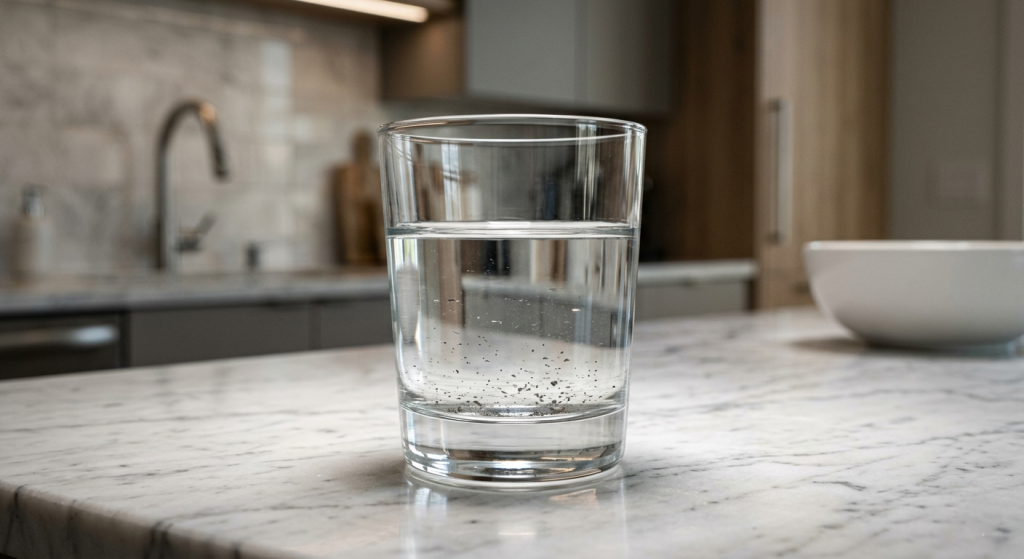
This blog discusses rising worries about heavy metals in tap water and highlights how understanding these risks can help protect your family’s health, fostering a sense of control and reassurance.
Knowing that effective filtration methods, such as reverse osmosis, can significantly reduce exposure to heavy metals can give you confidence and peace of mind in protecting your loved ones.
What Are Heavy Metals and Why Do They Appear in Drinking Water
Many people do not understand the problem with heavy metals in drinking water. They cannot see, taste, or smell these contaminants, which can make them even harder to detect. Heavy metals (including lead, arsenic, mercury, and cadmium) are naturally occurring elements. However, when these metals are added to water at levels above certain thresholds, they pose a serious health threat from long-term consumption.
Natural and Environmental Sources
Natural geological conditions can lead to elevated levels of certain heavy metals in tap water. It is common for some minerals in soil and rock layers to dissolve slowly into groundwater over time, especially in areas with specific environmental conditions.
While these minerals do not represent high concentrations or large amounts of exposure, they can lead to long-term exposure to low levels of heavy metals in drinking water supplies.
Human and Industrial Sources
Many sources can cause the presence of heavy metals in your drinking water. Industrial waste, mining activities, and chemical disposal are just a few examples. In Australia, however, there is a greater likelihood of proximity to industrial sites or other older infrastructure, which exposes you to higher risks. Therefore, you must become aware of the potential for heavy metal contamination in your drinking water.
Common Types of Heavy Metals Found in Drinking Water
Knowing how heavy metals can contaminate tap water gives you greater clarity about their danger levels. The most suitable treatment for heavy metal contamination you might encounter is: All types of metals act differently in both a water column and within your body, so knowing which metal is present impacts which treatment option you choose.
- Lead
Lead is an especially serious contaminant because it can easily get into our water through aging pipes and plumbing systems. Long-term exposure to lead, even at low concentrations, can hinder brain development. It affects your health and is a major concern for existing homeowners with elderly properties.
- Arsenic
Certain natural geological formations may contain high concentrations of arsenic in aquifers. Long-term exposure to arsenic is correlated with various adverse health outcomes. Thus, individuals who use well or rural water should have their water tested.
- Mercury
Mercury contamination is less likely than that of other contaminants. However, it still occurs and is especially prevalent near industrial or mining operations. The primary way mercury affects an individual is by damaging the nervous system; prolonged exposure increases the risk of this damage.
- Cadmium
Cadmium may enter our water supply through industrial discharges or runoff from fertilizer use. Although it is typically present at low levels, cadmium can accumulate in the body, thereby impairing kidney function over time.
How Heavy Metals in Drinking Water Affect Human Health
The impact of drinking water contaminated with heavy metals typically does not occur immediately, which creates an additional area of concern. This is because heavy metals can accumulate in an individual over time, leading to long-term health issues that may not be readily apparent.
Short-Term Effects
- Digestive discomfort
- Headaches or fatigue
- Skin irritation in some cases
Long-Term Health Risks
- Neurological issues linked to lead exposure
- Kidney damage from prolonged exposure
- Hormonal and metabolic disruption
- Increased risk of chronic illness
As heavy metals in drinking water take time to accumulate, there may not be symptoms until you have been exposed for an extended period of time.
Hidden Signs of Heavy Metal Exposure Through Water
Identifying heavy metal exposure can be difficult because symptoms appear slowly over time and may be dismissed as other common illnesses. The gradual buildup of these contaminants makes early signs harder to identify, with symptoms that are more subtle than obvious.
Common Warning Signs
Constant fatigue without an obvious cause
It might be that your body is exerting more effort over time, trying to eliminate toxins.
Altered taste or food sensitivities
Some individuals experience changes in taste (such as a metallic taste) or develop food aversions when water quality is poor.
Dryness or irritation
Frequent exposure during bathing and washing can sometimes affect your skin.
Inability to concentrate
Some individuals experience mild cognitive deficits with continual exposure, especially in vulnerable individuals.
These may not indicate that your water is high-quality, but they are signs you should consider testing your water and exploring filtration options to ensure safety.
Who Is Most at Risk from Heavy Metals in Drinking Water
Everyone can be affected by polluted water. However, some groups are considered more at risk based on biological sensitivity or the level of exposure in everyday life.
Some of the high-risk groups are:
Children and infants
A child’s or baby’s body is more susceptible to toxins during development, so exposure early on can have a greater effect.
Pregnant women
A woman who is pregnant may be at risk from consuming contaminated water, which can also affect the developing fetus.
The elderly
Aging can lead to certain health conditions and may also increase the risk of exposure to chemical contaminants.
People with pre-existing health problems
People with kidney or liver conditions may not be able to handle the toxins from chemical contaminants very well.
Environmental Factors that Increase Risk
- Houses that are older and have antiquated pipe systems
- Nearby industrial, agricultural, or mining operations
- Houses receive or supply rainwater or surface water without treatment
By understanding the risks in your environment, you can create a tiered list of systems that require testing and filtration.
How to Check for Heavy Metals in Drinking Water
Testing is the only way to truly understand whether your water contains heavy metals. Taking action through testing can empower you and make you proactive in safeguarding your family’s health.
Testing Methods
Certified laboratory testing
Produces professional-quality & certified lab tests to provide the most comprehensive and accurate laboratory testing results for specific metals and their concentration levels.
Professional water assessments
A water expert who performs a physical assessment of water quality and plumbing conditions can help identify potential sources of contamination.
Local water authority reports
These do not give household-specific supply or contamination source information. However, they can provide valuable information about the general trends of water quality in your area.
Testing your water regularly will keep you well-informed and allow you to take appropriate action based on its quality.
Proven Filtration Solutions for Heavy Metals in Drinking Water
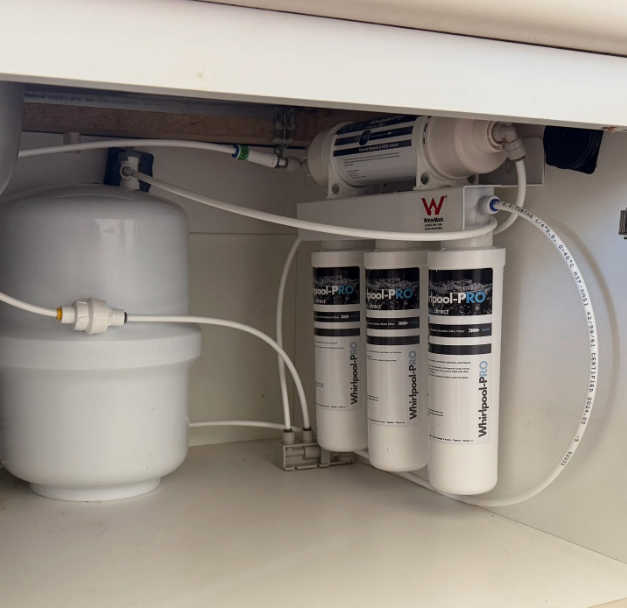
To eliminate heavy metals from drinking water, you need the right filtration system that effectively removes them.
Reverse Osmosis
For removing heavy metals from drinking water, reverse osmosis is one of the safest options, as it uses a membrane to filter out even the tiniest particles.
Activated Carbon Filters
An activated carbon filter can help reduce some of the impurities commonly found alongside heavy metal contaminants. Giving the water a better taste and making it safer for you and your family.
Multi-Stage Filtration Systems
Advanced multi-stage filtration systems combine multiple filtering methods to enhance the removal of heavy metals from drinking water. It provides a higher level of performance over time compared to using any single method alone.
How to Reduce Exposure to Heavy Metals at Home
You can use practical steps to greatly reduce the chances of drinking water contaminated with heavy metals.
- Install suitable filtering systems
- Replace outdated plumbing
- Do regular testing of your water
- Keep in touch with what’s going on with your area’s water
These actions will help reduce the risk of you drinking contaminated water with any heavy metals.
Understanding Your Next Steps for Safer Drinking Water
When there is possible contamination, do not rely on an assumption to proceed to take action. Make sure to confirm the quality of your water via testing. Determine a proper way to filter your water and maintain your filtering system regularly.
You can also reduce the risk of exposure by making small changes to your current plumbing system or installing more targeted filtration systems. It’s essential to monitor and learn what is happening locally concerning your drinking water supply, and always have an updated setup so you can stay as safe and secure as possible.
Final Thoughts
Understanding the presence of heavy metals in drinking water is the starting point for taking action. By measuring levels through appropriate tests, using trustworthy filtration systems, and continuing to monitor drinking water quality. Australian households can be proactive about their water quality and minimize any long-term exposure to potentially harmful effects on their health.