_edited_9.png)
Table of Contents

INTRODUCTION:
In this article, we discuss one of the most popular homeowner questions in Australia: how much does a whole house water filter cost, and is it worth the expense? Every family deserves clean, fresh & safe water to drink. The answer to this question will differ depending on what suburb you are located in – Richmond, Preston, Melbourne, Fawkner, Footscray, Box Hill – there are many suburbs in Melbourne where the quality of water is different.
Tap water in Australia is very good for general use; however, it is not perfect. Depending on your location, tap water may include chlorine, rust, or even traces of contaminants due to the age of your pipes. This is why many Australians have decided to install a whole-house water filter to ensure that every tap in their house provides filtered water.
So, let’s take a deep dive into what a whole house water filter is, how it works, how much it costs in Australia, and whether it’s truly worth your money.
What Is a Whole House Water Filter and How Does It Work?
Before we discuss the whole house water filter cost, it’s essential to understand what this system actually does.
A whole house water filter is set up at the entry point of your main water line. This means that you are filtering every drop of water that goes into your home before it even gets to your taps in your kitchen or bathrooms, or the washing machine or dishwasher. Compared to a countertop filter or under-counter filter, whole-house systems protect every single person in your household.
How It Works:
Whatever system you may look to, most will depend on multiple stages of filtration, often based on some similar principles noted here.
- Sediment Filter: Captures all the sand, rust, or dirt particles that may contaminate your plumbing lines.
- Activated Carbon Filter: Removes chlorine, pesticides, and undesirable odors.
- UV Sterilizer (Optional): Kills bacteria and viruses that may exist based on your town or area.
- Water Softener (Optional): Drastically reduces hard water, preventing scale buildup in your pipes and appliances.
If you were to open any tap in your home, it would ensure that the water in that area is safe, clean, and tastes great.
For example, someone in Richmond may have a whole house carbon filter to address very low levels of chlorine, and someone in Footscray may want a UV filter because their town’s supply may or may not have organic contamination. No matter the location, a whole house water filter offers peace of mind and reliable water quality throughout your home.
Why You Need a Whole House Water Filter in Australia
Australians tend to believe that tap water is completely safe, and yes, it is treated by their local councils. However, as the water travels through kilometers of pipes, it can pick up sediments, chlorine, and even trace metals.
Installing a whole house water filter may be one of the best things to do for your home. So much so that it’s becoming more and more popular in Melbourne, Box Hill, Fawkner, and surrounding suburbs. Here are some of the reasons why:
1. Improved Health and Safety
A good filter removes chlorine, fluoride, lead, and even trace amounts of bacteria. This contributes to your overall health and safety over time while helping to avoid skin irritations or allergies caused by harsh chemicals in the water.
2. Better Taste and Smell
Nobody likes to drink water that smells like chlorine. A carbon water filter will improve the taste and smell of your water, leaving it a lot more enjoyable for drinks and cleaning.
3. Appliance Protection
Filtered water inhibits the buildup of minerals in your washing machines, kettles, and dishwashers to extend their operating life and keep you from paying extra for repairs.
4. Skin and Hair Protection
If you live in an area with hard water, you likely experience dry skin or rough hair. Having softened and filtered water allows for smoother skin and shinier hair.
For example, families in Footscray have installed a water filter and seen immediate benefits because of the elevated levels of chlorine, while those in Preston prefer a more basic, lower-cost filtration system because their tap water meets their needs.
Ultimately, the price of whole house water filtration, although it appears high initial investment, could return significant health benefits for the household, appliances, and comfort in daily living.
Average Cost of Whole House Water Filters in Australia
The costs associated with whole house water filters in Australia may vary a little depending on size, brand, water quality, and installation requirements.
Here’s a rough breakdown to give you an idea of the average price:
Additional Costs
- Installation Fee: $300–$700, depending on plumber and location.
- Maintenance: $150–$300 yearly filter replacement.
- Water Testing: $100–$150 for testing the quality of your water if you want to check it prior to purchase and installation.
In Melbourne, where plumbing labor costs are higher, a few hundred dollars could be added to the total cost of the whole house water filter installed. Similarly, in Box Hill or Preston, the costs may be slightly lower due to easier installation conditions and possibly better base water quality.
How Much Does a Whole House Water Filtration System Cost
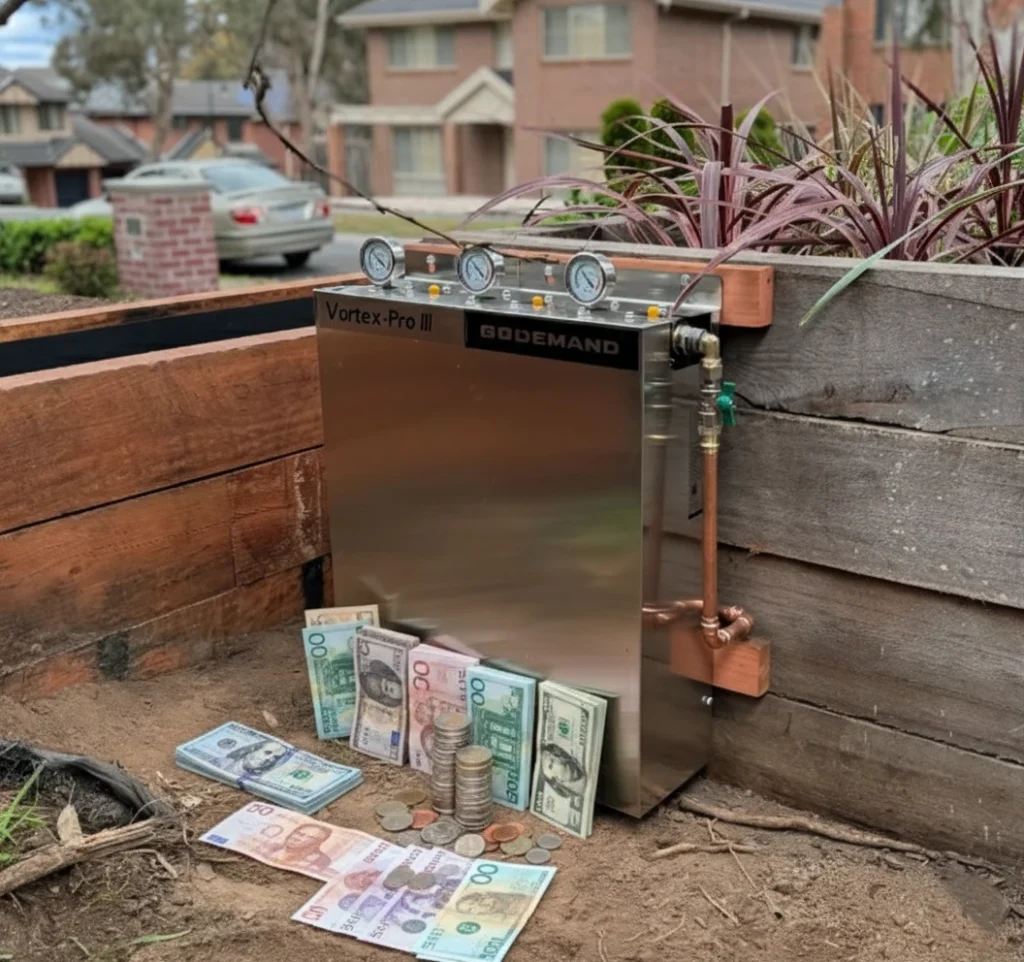
When you look at the cost of a whole house water filtration system, you need to think about why the cost is what it is.
1. Filtration Type
- Sediment & Carbon Filter: This is a good option to remove dirt, rust, and chlorine, and is the lowest cost choice
- Reverse Osmosis System: This is a more expensive filtration type that will strip out fluoride, lead, and dissolved solids.
- UV Systems: This is perfect for removing bacteria and can be great if you live in a rural area or an older support water network.
2. Size of your home
If you have a bigger house, obviously, you are going to use more water. If you have two or more bathrooms and water pressure on the high side, then you will require a more powerful filtration system, which means the cost will go up.
3. Water quality in your area
If you live in Preston, you shouldn’t require too much filtration to be effective. If you live in Melbourne or Footscray, you may require some sort of system due to high chlorine levels in the water, or it can have sediment or just a horrible metallic taste.
4. Installation
If you have old plumbing or narrow pipes accessing your house to the street, we may need to charge for special fittings to be installed. This electrical process may increase your installation costs by $200 – $400.
In short, the general cost for a whole house water filtration system for an Australian household is between $1,800 and $3,500, which will include installation and the first filter.
Life Span of a Whole House Water Filter
The lifespan of a whole house water filter typically varies between 5 to 10 years (or more), depending on the pump system’s quality of filter and maintenance. The filters all need to be changed sooner.
Replacement Cycle
- Sediment Filter: every 6–12 months.
- Carbon Filter: every 12–18 months.
- UV Lamp: every 12 months.
- Water softener resin: every 3–5 years.
For instance, a call to a household in Preston might only require filters to be replaced every year, due to lower debris and sediment in the water; conversely, a Footscray household might require filters to be replaced every 6-9 months due to the dirty water.
Maintaining your system supports longevity, regular cleaning, prompt filter change, and certified replacement parts extend the life of a whole home system up to 15 years.
When you consider the longevity of filtered water in the entire home system, the cost is reasonable long-term. However, many times it filters your entire dwelling for 10+ years.
Is a Whole House Water Filter Worth It in Australia?
The whole house water filter cost could run you a fair chunk of money all at once, but you will reap benefits in the long term.
1. Long-Term Savings
The cost of bottled water alone could eat into your budget and can run around $400 – $600 a year for an average family. You can have a whole house water filter system installed for a flat rate, and down the road will save you thousands of dollars.
2. Quality of Life Improvements
Softer skin, healthier hair, and better-tasting meals because you will be using cleaner cooking and drinking water.
3. Appliance Protection
Your hot water systems, dishwashers, and washing machines will last longer when you are using sediment-free water.
4. Value of the Home
Installing a whole house water filtration system can even increase the market value of your property. Buyers in cities like Melbourne or Richmond appreciate when there are modern increases in the home’s sustainability.
A Melbourne-based family spent $2,000 investing in a filter system, and saved about $600 per year by stopping buying bottled water and appliance repair costs, so after 5 years, they had recuperated what they initially invested in a whole house water filter system, and they had cleaner water every day!
Key Factors That Affect Whole House Water Filter Cost
Here is a breakdown of the entire house water filter cost across various parts of Australia:
Water Quality: If you have hard or chlorinated water, you will likely need a more advanced system.
Water System Types: Ultraviolet and reverse osmosis systems will typically cost more.
Installation Fees: Installation prices will vary from plumber to plumber and suburb to suburb.
Maintenance Schedule: The more frequently you change filters, the higher your total yearly cost will be.
For example, if your water quality in Richmond or Box Hill shows moderate hardness, your overall costs for a whole house water filter will be cheaper than in Fawkner or Footscray, where you may need a more advanced system to address the water situation.
How to Choose the Right Whole House Water Filter for Your Home
Order a whole house water filtration system only when you believe the cost is worth it.
1. Test Your Water
First thing, test your tap water. Knowing the chlorine, sediment, and hardness levels in your water will help you choose.
2. Choose a system to suit your needs
- Chlorine: A carbon-based filter will remove chlorine.
- Hard Water: A system that has a built-in softener will treat hard water.
- Bacteria: If you are concerned about bacteria, you should consider UV filtration.
3. Confirm certification
A very important step is to check whether the system is certified to the Australian Standards.
4. Get it installed by a professional
It is worth using a licensed plumber to ensure the system is installed correctly. A local expert ‘Demand Filtration’, in Melbourne, either in Richmond or Footscray, will help ensure your water filtration system continues to last.
If you live in Preston, then a basic two-stage carbon filter may be adequate; however, in Footscray, the water qualities change at times, which would require a multi-stage system with UV protection.
Best Whole House Water Filters in Australia
Demand Filtration They offer some of the best whole-house water filters in Australia, designed to meet the unique water needs of every home. Their systems are built for long-lasting performance, ensuring that every tap in your house delivers clean, safe, and refreshing water every day.
They provide a complete service, from filter supply to professional installation and ongoing post-installation support. Their expert team is always ready to guide you in choosing the right filtration system and maintaining it for peak performance.
With Demand Filtration, you don’t just buy a product; you invest in peace of mind, reliability, and better living standards.
Conclusion
While considering the whole house water filter cost in Australia, it’s necessary to think beyond the sticker cost – what you’re paying for is health, safety, and convenience.
A one-off investment will ensure that clean and delicious-tasting water is present from every tap, keeping your family safe and healthy, protecting your appliances, and preserving your property value.
No matter if you live in Preston, Richmond, Melbourne, Footscray, Fawkner, or Box Hill, a whole-house water filter will provide you with control over your water quality and peace of mind for years to come.
The whole-house water filter cost is a small price to pay for long-term comfort, cleaner water, and a healthier lifestyle.