_edited_9.png)
Table of Contents
INTRODUCTION:
In this post, we’re discussing how hard water can impact your home and health, something that many Australians are faced with, despite many of us not even realizing it. From one section of the country to another, water hardness can vary, but what is common is the way its presence affects day-to-day living. From ruining appliances to hurting your skin, hard water can exact a silent toll in ways you might not readily suspect. We will discuss what hard water is, what to look for, and how to fix the problem.
1. What Is Hard Water?
Hard water is water that contains high levels of dissolved minerals, usually calcium and magnesium. It forms when water flows through limestone or chalk formations, dissolving these minerals. In Australia, water hardness levels differ per location. Cities such as Perth and Adelaide are particularly known for hard water. At the same time, many rural and regional areas across the country can also have high mineral content depending on local geology. It is safe to drink hard water; however, both its effect on your home and your health can be quite costly.
How Does Hard Water Form?
Hard water forms when water percolates through mineral-rich soil and rock. The latter permeates the same rocks and absorbs calcium, magnesium, and other minerals, which are found in higher quantities in the water. This is “hard” because it can become insoluble when heated and deposit mineral scale. Knowing how hard water forms may provide insight into what it does in your pipes and household goods.
Water hardness is typically measured in milligrams per liter (mg/L) as calcium carbonate, or in parts per million (ppm). As a general guide, water below 60 mg/L is considered soft, 60–120 mg/L is moderately hard, 120–180 mg/L is hard, and anything above 180 mg/L is classified as very hard. Many Perth suburbs regularly exceed 200 mg/L, while Melbourne’s catchment water typically sits below 60 mg/L. Knowing your local hardness level helps determine which treatment solution is most appropriate for your household.
Typical Hard Water Locations in Australia
Water hardness in Australia varies considerably by region and is largely determined by local geology. Perth consistently records among the highest water hardness levels in the country, with many suburban areas exceeding 200 mg/L as calcium carbonate. Adelaide’s Murray River supply also produces notably hard water, particularly during drier periods when mineral concentration increases. Brisbane and Southeast Queensland fall in the moderate range, while Melbourne and Sydney generally have softer water sourced from protected mountain catchments. Regional and rural communities that rely on groundwater or local dam storage often experience higher mineral content than nearby capital cities.
2. How Hard Water Affects Your Home
Your home can really take a hit from hard water. It can lead to all sorts of problems, from plumbing woes to appliance breakdowns.
Clogging Pipes and Plumbing Systems
The most worrying aspect of hard water is the mineral deposits that accumulate in your pipes. Calcium and magnesium can build up over time in your water pipes, eventually slowing down your water flow. This accumulation of scale can lead to blockages, increased water pressure, and even corroded pipes. Therefore, you may be left with the expensive job of replacing the pipe or fixing water damage in your house.
How Hard Water Harms Your Water Heater
Water heaters are particularly affected by hard water. The minerals in the water coat the heating elements in the water heater, making it difficult to heat the water efficiently. This can cause your water heater to work harder than necessary, leading to higher energy bills and increased wear and tear on the appliance. Hard water can damage water heaters, leading to costly repairs, such as replacing heating elements, or even the need to replace the entire water heater.
Dishwasher and Washing Machine Troubles
Your dishwasher and washing machine are also vulnerable to the effects of hard water. Mineral buildup can affect the performance of these devices and cause soap and detergent residues to escape through dishes or clothing. If you have them for a long time, they can lose their effectiveness or stop working properly, leaving you spending money on expensive repairs or replacements. In households with very hard water, some have said they’ve had to replace their dishwashers or washing machines years before they should have.
Increased Maintenance Costs
Research from water treatment organizations suggests that scale buildup from hard water can reduce water heater efficiency by up to 30% and shorten the operational lifespan of washing machines and dishwashers by several years. For Australian households in high-hardness areas like Perth and Adelaide, the cumulative cost of early appliance replacement, increased energy bills, and plumbing repairs can represent a significant financial burden over a decade of ownership, making a water softening investment comparatively cost-effective over the long term.
3. How Hard Water Affects Your Health
In addition to ruining your home, hard water can also do a number on your health, particularly your skin and hair.
Skin Irritation and Dryness
Hard water may contain minerals that make your skin feel dry and irritated. When you wash your face or take a shower, those minerals are left behind on your skin, contributing to itchiness and dryness. What’s more, the effects of hard water can be even more pronounced for individuals with sensitive skin or conditions like eczema. It can trigger these conditions, leading to flare-ups and increased demand for skin treatments.
Impact on Sensitive Skin Conditions
Hard water can exacerbate sensitive skin conditions, including eczema, acne, and rosacea. The minerals found in hard water can clog pores and contribute to clusters of breakouts. Now, hard water is especially hard on those who deal with acne, since it can prevent the skin from doing its job of removing dirt and oil. Eczema sufferers can find that the dryness hard water creates can result in sore, itchy areas on the skin.
Hair Damage and Hair Loss
In terms of your hair, hard water can leave your hair dry, brittle, and more susceptible to breakage. The minerals from hard water leave a film on the hair, preventing moisture from penetrating. This can result in an irritated scalp and dandruff, and soften the hair follicles, making hair more likely to fall out. Hair regularly exposed to hard water can appear dull, frizzy, and difficult to manage over time.
Excessive Soap Use
When hard water is involved, more soap is needed to lather, and that soap scum travels back to you, leaving residue on your skin and hair. This may lead to Blockage of pores and even result in other skin problems. For Australian households dealing with hard water, increased soap and shampoo use adds up to a genuine ongoing cost, in addition to the residue hard water leaves on skin and hair after washing.
4. Signs You Have Hard Water in Your Home
You may not always know if hard water is present. But there are a few clear indicators that hard water is influencing your home and well-being. Here’s what to look for:
White Streaks and Mineral Deposits
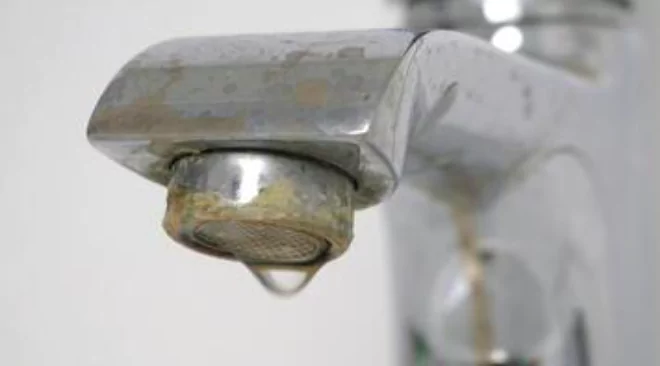
Stains on Fixtures and Appliances. Some of the most common signs of hard water are chalky white spots on sinks, faucets, and fixtures. This film is hard water, and it’s what creates those spots on your sink, showerhead, and even your glassware after the wash. Over time, these deposits harden and become increasingly difficult to remove, affecting the appearance of fixtures and potentially damaging surface finishes.
Frequent Plumbing Issues
One of these is frequent plumbing problems, such as low water pressure, clogs, and leaking pipes. If you regularly experience clogged pipes or notice a decrease in water pressure in your home, hard water may be to blame. Having your plumbing checked is crucial in avoiding any further damage.
Skin Dryness, Scalp Itch, and Lusterless Hair
If you have dry skin, an itchy scalp, or hair that’s always frizzy and unmanageable, these are signs that hard water is wreaking havoc on your body. And pay attention to how your skin and hair feel after your inevitable bath or hair washing. If it feels raw, dry, ravaged, it’s time to do something about it.
5. How to Deal with Hard Water
There are a few remedies you can try if you’re dealing with hard water at home.
Install a Water Softener
The best solution for hard water is a water softener. The mechanism of such devices is to extract calcium and magnesium ions from the water and replace them with sodium or potassium ions. This process softens the water, so it does less damage to your home and body. Water softening is particularly helpful in regions with high concentrations of stored water.
Use a Reverse Osmosis System
For homes with particularly hard water, a reverse osmosis system is worth considering. These systems remove dissolved minerals and a wide range of other contaminants from water, producing cleaner, softer water that is gentler on skin, hair, and household appliances. This removes impurities and minerals from the water, producing soft water that is easier on your skin, hair, and your entire home. If you are interested in the best reverse osmosis system for high water hardness, they are an excellent option.
Install Shower Filters
If you’re extra concerned about the effects of hard water on your skin and hair, you can easily take it a step further by installing a shower filter. These filters are designed to remove minerals such as calcium and magnesium from shower water, so your skin and hair are exposed to much softer, less abrasive water.
Use Vinegar for Cleaning
Vinegar: For moderate limescale buildup on fixtures and surfaces, try a natural remover. Soak the deposits in vinegar and let them sit for a couple of hours, until they break down and can be scrubbed away. This can protect your appliances and fixtures from long-term damage.
6. Is Hard Water Dangerous to Drink?
Some people are concerned about the safety of drinking hard water. The good news is that hard water is perfectly safe to drink. The natural minerals (like calcium and magnesium) found in hard water are nutrients that are beneficial to your health, and their presence in your drinking water supply is not a concern. That said, hard water doesn’t always taste great, and if you drink it with too many mineral deposits, you can feel queasy.
Health Benefits of Hard Water
Ironically, findings show that consuming hard water may have health benefits attributed to its calcium and magnesium content. These minerals contribute to healthy bones and balanced blood pressure, which may prevent heart disease and osteoporosis. But the advantages of hard water are subject to dispute, and the water you consume must be safe from harmful impurities.
Conclusion:
Hard water is one of those common problems that affects a lot of Australians, and it can have a significant effect on your home and health. With all the wear and tear hard water causes on your plumbing, appliances, skin, and hair, it’s something you don’t want to play around with. With some water softeners or shower filters installed and keeping an eye out for signs of hard water, you can protect your home and your own health as well. Address the problem early, and you will save money on appliance repairs, plumbing maintenance, and personal care products in the long run.