_edited_9.png)
Table of Contents
Introduction
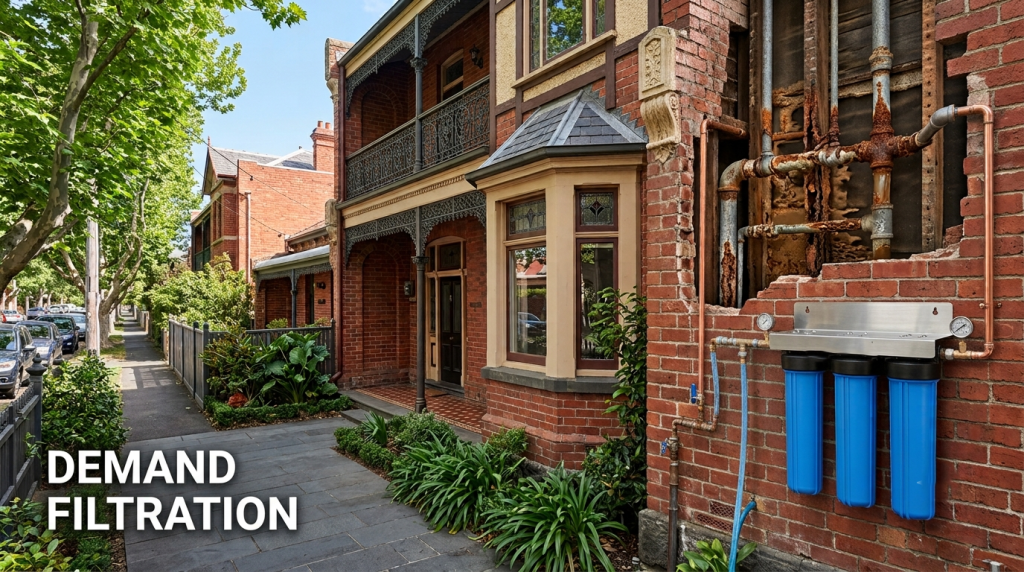
Older properties are an important part of Melbourne’s identity, offering a unique character that newer homes often cannot match. However, while the exterior may be beautifully maintained, the old pipes system inside the home could be decades old. Aging pipes can gradually influence water quality, leading many homeowners to consider whether a modern water filtration system is a worthwhile investment. This guide explores the hidden risks associated with old plumbing and explains practical ways to improve household water quality.
A Look Back: How Melbourne’s Older Pipe Networks Were Built
Since the 1800s, Melbourne’s water infrastructure has had a vibrant history. The rapid expansion of Melbourne, due to the gold rush and continuous growth into the 20th century, created thousands of homes. Many homes had been connected to water networks by using the plumbed infrastructure of the time.
Many homes in older suburbs like Carlton, Fitzroy, Richmond, Brunswick, Footscray, South Melbourne, North Melbourne, and parts of Essendon were originally constructed with galvanized steel, cast iron, copper, or even lead fittings. It is not uncommon for properties in these areas to have been partially renovated, though many still retain sections of their original plumbing infrastructure.
As we know, water quality has been a major aspect of concern for the proprietors of Melbourne’s historic buildings. Even though Melbourne’s municipal water supply is carefully maintained and treated, it still travels through aging household pipe systems before reaching the kitchen tap, and the condition of those internal pipes can significantly affect what comes out at the other end.
Why Ageing Pipes Become a Hidden Water Quality Risk
Homeowners may think that if their tap water appears to be clear, it is also of good quality. Although appearance does influence the quality of your water, it will not always indicate what is happening within older plumbing systems.
Internal pipe surfaces build up deposits of minerals, rust, sediments, and corrosion products over time. While these materials do not consistently affect water quality, factors such as pressure changes, plumbing repairs, and seasonal use can dislodge them, creating an above-ground source of small particles in your water supply.
Factors such as old plumbing can affect the flavor, color, and odor of your drinking water. Homeowners sometimes notice yellow or brown water after maintenance on their property or after not using any water for a while; however, the real cause is usually aging plumbing in their homes, rather than the public supply.
Because plumbing problems can develop gradually over many years, it is sometimes difficult for the homeowner to recognize that their plumbing system is degrading the quality of their drinking water.
What’s Really Happening Inside Old Water Pipes?
Long-term use of a water pipe usually changes its surface texture. In the beginning, when new, the inside wall of that pipe is a smooth, unblemished surface. However, as we use that pipe, the continuous flow of water through it tends to change the surface condition of the pipe walls.
Corrosion Develops Over Time
Over time, metal pipes will eventually react with both water and oxygen, causing them to corrode and rust inside your plumbing system. As each bit of rust and corrosion develops, there may be times when they form tiny pieces that can become suspended within the water flowing through the plumbing, especially during any plumbing work or when sudden changes occur in water pressure.
Lead Risk in Pre-1970 Melbourne Homes
One of the most significant concerns in older Melbourne properties is the potential presence of lead in lead service pipes, lead solder joints connecting copper pipes, or lead-lined tanks in some heritage buildings. Lead was commonly used in Australian plumbing until it was phased out in the 1970s and 1980s. Unlike rust or sediment, lead contamination is invisible and has no taste or odor, making it impossible to detect without testing.
Lead exposure is particularly serious for young children and pregnant women, as even low-level chronic exposure has been linked to developmental and neurological effects. Homeowners in suburbs with significant pre-1970 housing stock, including Carlton, Fitzroy, Collingwood, Richmond, Brunswick, and Footscray, should consider lead testing a priority, especially if they have not had their water quality assessed in recent years.
The Accumulation of Minerals Also Reduces Internal Volume
Calcium and other naturally occurring minerals will build up over time inside your pipes. Although this process occurs gradually, it will ultimately reduce the volume of water flowing through your pipes due to the long-term accumulation of mineral deposits.
Older homes are significantly more likely than newer builds to experience reduced water pressure as a result of internal mineral buildup narrowing the pipe bore over decades of use.
Sediment Can Build Up in Low-Flow Areas
Tiny particles that travel through the plumbing system may settle at various locations, such as bends, joints, and other places where water has little to no flow or flows more slowly. Sediments are usually unnoticed until the water flow changes, disturbing the deposits.
Not all sediments are harmful; however, many homeowners will prefer the removal of these particles before they reach the taps that they will use for drinking and cooking.
Common Water Problems Found in Older Melbourne Homes
Not all older homes experience the same problems; however, there are several common water quality issues associated with aging plumbing systems.
Discolouration of Water
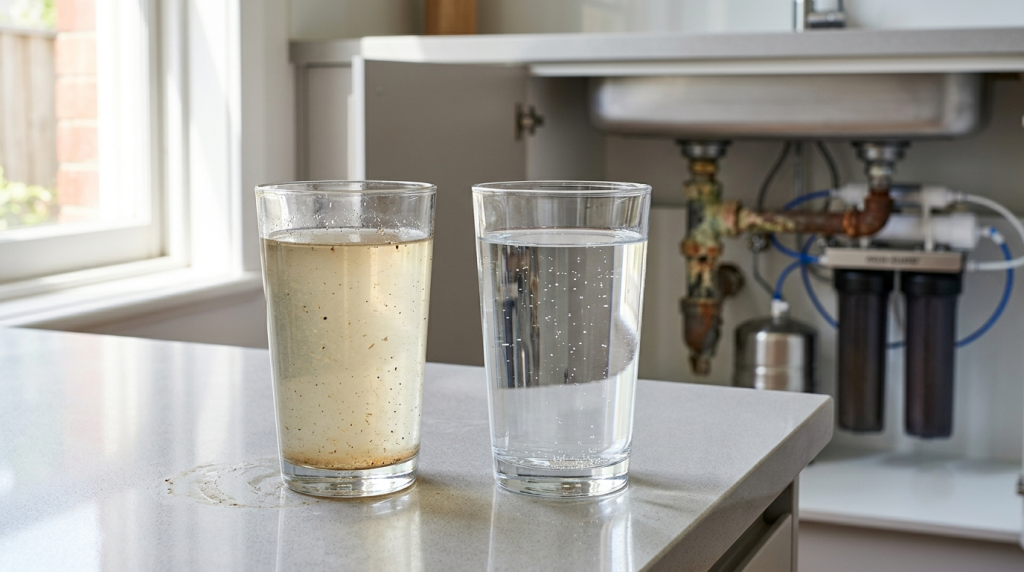
Sometimes the tap will produce water that is yellow, orange, or light brown due to periods when the tap hasn’t been used or after plumbing work has been done. Typically, this is caused by rust particles that have entered an old piping system and are coming through the tap.
Taste of Metal
Homeowners may experience a metallic-like flavor when drinking from their tap water supply. While a metallic taste is not necessarily a sign of immediate health risk, it typically indicates an interaction between your water and old metal piping that is worth investigating, particularly in homes with pre-1970 plumbing where lead solder joints may be present.
Sediment in Water
There could be small, visible particles that come out of the pipes when you open your faucet. These particles are typically a result of buildup found in older plumbing systems.
Decreased Water Pressure
Pipes can accumulate minerals and corrode over time. Because of this, the inside of pipes will gradually get smaller, which means that it takes longer for water to flow through the rest of your home.
Variability in Water Appearance
There may be times when you notice cloudy water or water that appears discolored for a short period after service has been performed or the water demand has changed significantly. For many older homes, however, these problems will become more frequent as the plumbing system ages.
How to Test Water Quality in an Older Melbourne Home
If you are concerned about the impact of aging plumbing on your water quality, professional water testing provides the clearest picture of what is actually present in your household supply. There are three main options available to Melbourne homeowners:
Local water authority reports: Melbourne Water publishes annual water quality reports covering the distribution network. These are useful for understanding what is in the municipal supply but do not reflect what happens inside your home’s pipes.
Home test kits: Available from hardware stores and water filtration suppliers, these kits test for basic parameters, including pH, hardness, chlorine, and, in some cases, lead and bacteria. They provide a useful starting point but are less comprehensive than laboratory testing.
NATA-accredited laboratory testing: The most thorough option, laboratory water testing can identify a wide range of contaminants, including lead, heavy metals, bacteria, and PFAS. This is the recommended approach for homeowners in older properties who want a definitive picture of their water quality before investing in a filtration system.
How Pipe Corrosion Can Affect Everyday Water Use
Aging plumbing affects much more than just drinking water. All the water used in your house each day for cooking, showering, washing, cleaning, and operating many appliances is affected by the condition of your plumbing.
Corroded plumbing may cause lower water pressure with your shower, unequal flow of water between multiple taps, or even sediment in your washing machine and dishwasher. In addition, as the years pass, particles that accumulate in your plumbing will affect the aerators, showerheads, and inlet filters of all your appliances.
An excellent filtration system is not a complete solution for fixing the problem of aging plumbing; however, it can greatly reduce the number of particles and impurities that reach your household taps for everyday use.
Why Water Filtration Becomes More Important in Older Properties
In existing homes or heritage buildings, replacing the entire plumbing system is an expensive and disruptive process for homeowners. Therefore, many homeowners seek practical ways to improve the quality of their drinking water without having to go through major plumbing renovations immediately.
A quality filtration system will provide an additional level of protection to the homeowner by removing particles and impurities that may exist in their water after traveling through old pipes. While filtration cannot repair corroded pipes, it will greatly improve the quality of your drinking water at every faucet in your home.
Several benefits of using a water filtration system may include:
- Improved water taste and smell by removing chlorine and other impurities
- Reducing rust and sediment from old pipes and plumbing
- Providing cleaner water for cooking, drinking, and food preparation
- Decreasing scale accumulation inside household appliances regularly supplied with water
- Greater assurance that the water is high-quality and safe to consume
For Melbourne families in older homes, installing a quality water filtration system is a practical interim investment that improves daily water quality while longer-term plumbing upgrades are planned or saved for.
Choosing the Right Filtration System for Homes with Old Plumbing
Different filtration systems address different problems. The right choice depends on the age and condition of your plumbing, the specific water quality issues you are experiencing, and whether you want filtered water at one tap or throughout the entire home.
Whole House Water Filtration System
A whole-house system can filter the water that comes into your home before it gets to your bathrooms, kitchens, laundry, and appliances. These systems are generally recommended for homeowners who want to have consistent water quality for the entire home.
Under Sink Water Filters
Under-sink water filter systems are installed beneath the kitchen sink and deliver clean and pure water directly to a faucet on that sink or via a separate faucet. People who are content with the quality of their entire home’s cold water but wish to improve the quality of drinking and cooking water choose these popular filters.
Reverse Osmosis Systems
Reverse osmosis filtering is one of the very best ways to purify drinking water. It is ideal for homes that want additional protection from a larger variety of dissolved contaminants, in addition to improving their water’s taste and clarity.
The best solution for any home will vary by the condition of the pipes rather than simply the age of the house. By seeking out professional advice, you will get help to ensure that whatever water filter you install is going to solve your specific problem.
When Replacing Pipes Isn’t the Only Solution
Homeowners often believe that pipes need replacing solely because of age, but in some cases, there may still be life left in their plumbing system.
If the plumbing continues to function properly, water quality is likely to improve through proper maintenance and the installation of appropriate filtration systems. This method will not only improve the quality of your everyday supply of usable clean water but also enable you to make larger updates to your plumbing system down the road.
Most Melbourne homeowners in older properties can significantly improve their daily water quality by combining preventive maintenance with the right type of water filtration system, without incurring the full cost of a major plumbing overhaul.
Simple Ways to Protect Your Household Water Quality
Even if your home has older plumbing, there are several practical steps you can take to improve and maintain water quality.
- If you notice persistent changes in the taste, color, or smell of your water, schedule a professional water quality assessment.
- Before using a faucet, flush the tap for a few seconds if water has been sitting in the pipes overnight or while you were away.
- If needed, replace old faucet fittings, plumbing fixtures, and other components to ensure they function properly.
- Follow the recommended maintenance schedule for any water filtration system that you have installed.
- When planning future renovations, try to upgrade outdated sections of your plumbing.
By taking a few simple precautions, you can help prevent larger issues from developing and provide your family with more consistent water quality throughout your home.
Why More Melbourne Homeowners Are Taking Water Quality Seriously
Over the last 10 years in Melbourne, the awareness of domestic water quality has greatly improved. There is a greater focus not only on visible plumbing issues but also on the effects of aging infrastructure on everyday water use.
Homeowners are increasingly purchasing filtration systems and opting for preventive measures rather than waiting for noticeable plumbing issues to develop. This change shows that people have a broader understanding of the importance of protecting water quality for living in a safe and comfortable environment.
If you own an older Melbourne property, understanding the hidden plumbing conditions could result in long-term value, from enhanced drinking water quality to improved appliance performance.
Frequently Asked Questions
How do I know if my Melbourne home has lead pipes?
The most reliable method is professional water testing through a NATA-accredited laboratory. Visual inspection can also help; lead pipes are dull grey and soft enough to be scratched with a key, unlike copper, which is orange-brown, or galvanized steel, which is silver-grey. If your home was built before 1970 and has never had a plumbing inspection, testing is strongly recommended.
Will a water filter fix low water pressure caused by old pipes?
No. A water filter removes contaminants from your water but does not address the physical narrowing of pipes caused by mineral scale buildup. If low pressure is a persistent problem, a licensed plumber should assess whether descaling the pipes or partial replacement is required. A filter can be installed alongside plumbing repairs to improve both flow and water quality.
What is the most important filter certification for an older Melbourne home?
For homes with pre-1970 plumbing, NSF/ANSI 53 certification is the most critical to look for, as it covers health-related contaminants, including lead. If PFAS is also a concern due to proximity to industrial sites or military bases, look additionally for NSF P473 or a reverse osmosis system certified to NSF/ANSI 58.
How much does it cost to have water tested in Melbourne?
Basic home test kits cost $20–$80 from hardware stores. Professional laboratory testing through an NATA-accredited facility typically costs $100–$400 depending on the range of parameters tested. For older properties where lead is a specific concern, a targeted lead test is usually available at the lower end of this range.
Conclusion
Older pipes are often overlooked, but they can significantly affect your home’s water quality over time. Understanding the condition of your plumbing system and installing the right filtration is the most practical first step toward improving the water your family drinks and uses every day.
If you live in an older home in Melbourne, taking early action now will ensure your water is cleaner, safer, and more consistent for your family.