_edited_9.png)
Table of Contents
INTRODUCTION:
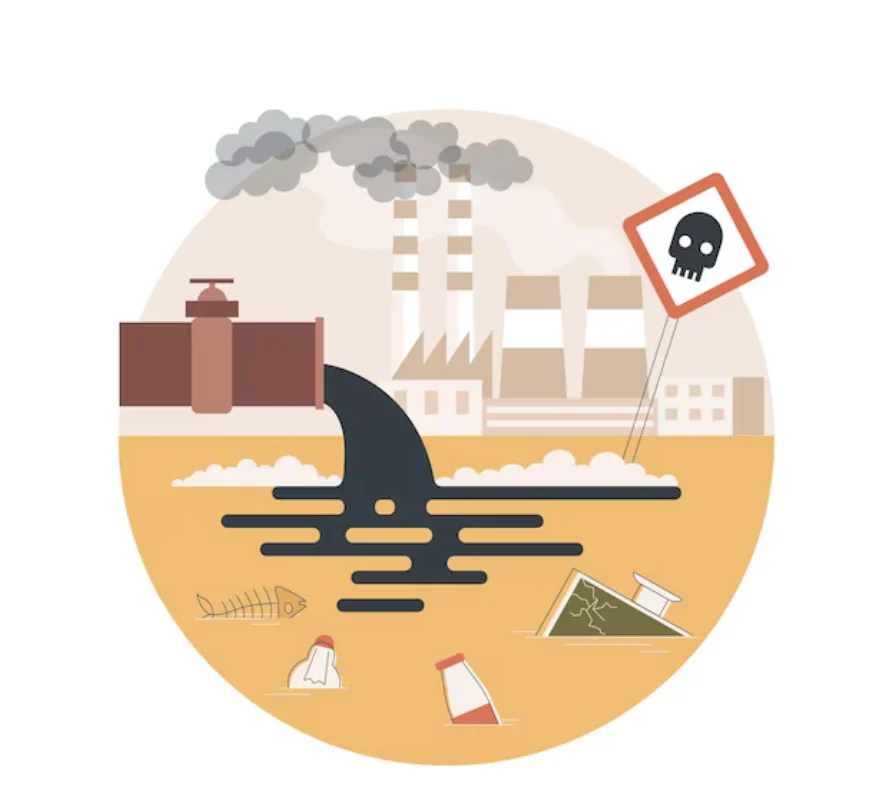
Today on the blog, we talk about one of Australia’s most important and urgent environmental concerns: water pollution. Water is an essential resource for all life on Earth, and its pollution affects not only human health but also the fragile habitats that support much of Australia’s fauna. From the Great Barrier Reef to inland rivers, Australian waterways are facing mounting pressure from agricultural runoff, industrial discharge, urban stormwater, and plastic waste, threatening both public health and some of the world’s most unique ecosystems. This problem isn’t just an environmental problem; it’s a public health concern, an economic burden, and a threat to biodiversity.
In this blog, we’ll go into detail about how water is being polluted in Australia, what the consequences of water pollution can be, and how to prevent it. At the end of this post, you will have a greater appreciation of why water contamination is a problem in Australia and how water pollution can be addressed.
What is Water Pollution?
Water pollution is the contamination of water bodies (like rivers, oceans, lakes, aquifers, and groundwater), usually caused by human activities. These contaminants may be physical, chemical, or biological and are frequently responsible for water quality impairment. Water pollution is emerging as a major environmental problem in Australia due to increased urbanization, industrial activities, agricultural practices, and climate change. Its unique aquatic ecosystem is highly sensitive to pollution, given the abundance of aquatic life and natural resources.
Understanding Water Pollution in Australia
In a country with wide-ranging landscapes like Australia, water pollution issues are unique. While water pollution impacts various areas differently, from urban to rural farming, it affects all areas of the country. Australia’s dependence on its freshwater resources for drinking water, agriculture, and industry means it is vital to manage pollution sources in its waterways effectively. The nation also boasts many sensitive, rare, and precious ecosystems, such as the Great Barrier Reef, that are incredibly vulnerable to water pollution.
Australia has immense water resources, including large rivers such as the Murray-Darling River system that runs across southeastern Australia. These rivers supply millions of people with water, but they are also susceptible to pollution from farm runoff, mining, and urban waste. Additionally, coastal waters and life are threatened by plastic debris, industrial waste, and oil spills.
The scale of Australia’s water pollution challenge is significant. The Murray-Darling Basin, which covers over one million square kilometers and supplies water to approximately 3.5 million people, has experienced repeated algal blooms, fish kills, and declining water quality in recent decades. In 2018–2019, mass fish deaths in the Darling River drew national attention to the consequences of nutrient pollution and low river flows. Australia’s coastal waters also face serious pressure; a 2019 report by the Australian Institute of Marine Science found that water quality on the Great Barrier Reef remained affected by elevated levels of nitrogen, sediment, and pesticide runoff from agricultural land in Queensland.
Main Causes of Water Pollution in Australia
1. Agricultural Runoff and Chemical Contamination
- Agriculture is one of the leading causes of water pollution in Australia. Nutrient runoff from the use of fertilizers, pesticides, and herbicides in farming enters local water supplies. This runoff carries too many nutrients to the water, including nitrogen and phosphorus. This excess nutrient load triggers a process called eutrophication in affected water bodies. It occurs when an increased nutrient load favors the development of toxin-producing algae that deplete oxygen in the water, driving underwater species away.
- In areas such as the Murray-Darling Basin, intensive farming practices have been associated with water pollution. They are rich in synthetic chemicals and routinely escape from crop, animal, and aquaculture farming operations, thereby contaminating water bodies and harming the health of the water and related flora and fauna.
2. Industrial Waste and Pollutants
- Industrial processes throughout the country have a clear effect on water quality. Water pollution is generated by mining, oil and gas extraction, and chemical manufacturing. These industrial processes frequently leave behind heavy metals, toxic chemicals, and other harmful substances in nearby water systems with long-lasting consequences for both aquatic ecosystems and surrounding communities. In remote regions like the outback, mining projects can introduce large amounts of sediment, metals, and toxins into nearby rivers and groundwater systems.
- Take the example of coal mines in Queensland and New South Wales, which pollute river systems with heavy metals and toxic chemicals. Mining companies must adhere to tight environmental rules, but enforcement is often lax, and pollution from unauthorized discharges is common.
3. Urban Wastewater and Stormwater Runoff
- Australian cities, including Sydney, Melbourne, and Brisbane, pollute water through effluent from wastewater treatment plants and stormwater. Urban stormwater can be laden with oil, trash, heavy metals, and other contaminants from roads, parking lots, and industrial areas. Stormwater then washes off these surfaces and into rivers, lakes, and seas, carrying a litany of harmful pollutants.
- Furthermore, on-site sewage treatment plants in cities are often insufficient to handle peak flows, resulting in sewer overflows that dump untreated or partially treated human waste directly into surrounding waters. Such discharges frequently include pathogens, chemicals, and other pollutants that can endanger both drinking water and aquatic life.
4. Plastic Pollution and Marine Waste
- Australia’s coastlines are decimated by plastic pollution. The country, with more than 25,000 kilometers of coastline, has large waste management problems, particularly with plastic. Household, industrial, and tourism-related plastic waste often ends up in the ocean, where it breaks into small pieces called microplastics. The small particles are eaten by sea creatures, which can cause health problems and disrupt marine ecosystems.
- The Great Barrier Reef, which is one of Australia’s greatest natural assets, continues to suffer significant impacts from marine pollution. Plastic debris can be especially harmful to coral reefs, smothering corals and upsetting the delicate balance of the ecosystem. In addition to plastic trash, oil spills, and other chemicals from ships foul the coast’s water.
5. Climate Change and Severe Weather Conditions
- Climate change also threatens Australia’s water supplies. Higher temperatures and dry weather aggravate this contamination of water sources. Dry seasons can increase contaminant concentrations, which are typically dispersed in water, further deteriorating water quality. Alternatively, extreme storms and floods can flush contaminants from the land into rivers, lakes, and oceans, further elevating water pollution.
6. Emerging Chemical Contaminants
A growing category of water pollution concern in Australia involves emerging chemical contaminants, substances not traditionally covered under standard water quality monitoring programs. Per- and polyfluoroalkyl substances (PFAS), a group of artificial chemicals used in firefighting foam and industrial products, have been detected in groundwater and drinking water supplies near military bases, airports, and industrial sites across the country. Heavily affected areas include communities near RAAF Base Williamtown in New South Wales and Katherine in the Northern Territory, where government-funded blood testing programs were established in response to elevated PFAS levels in local water supplies. Pharmaceutical residues, microplastics, and endocrine-disrupting chemicals are also being detected in Australian waterways at increasing rates, raising questions about the adequacy of existing treatment and regulatory frameworks.
The Impact of Water Pollution on Australia
The impacts of water pollution in Australia are severe. Water contamination can destroy aquatic ecosystems, threaten public health, and affect the many sectors that depend on clean water.
Environmental Impact
Damage to aquatic ecosystems due to water pollution in Australia has been staggering. It leads to the pollution of rivers, lakes, and coastal waters and disrupts their biodiversity. Take the Great Barrier Reef, for example, it has been subjected to coral bleaching, a condition amplified by water pollution, which has put the existence of coral reefs and the wide array of species that rely on them in jeopardy.
Public Health Risks
Contaminated water sources can cause a wide range of serious health issues in humans. Dirty water can transmit dangerous bacteria, viruses, and chemicals, leading to potentially deadly waterborne diseases like cholera, dysentery, and stomach infections. Diseases of this nature are more prevalent in communities that lack access to high-quality, properly treated water.
Economic Costs
There are significant economic costs associated with water pollution. For example, the agricultural and fisheries sectors take a hit from poor water quality, which reduces crop and fish yields. What’s more, water treatment becomes much more expensive as pollutants increase in the water system, which is hard on companies and local authorities.
Impact on Drinking Water Quality
While Australia’s major metropolitan water supplies are generally treated to meet safe drinking standards, water pollution increases the cost and complexity of that treatment. It poses risks to communities that rely on less-protected sources. Groundwater contamination from agricultural chemicals, PFAS, and industrial discharge is a particular concern in rural and regional communities that depend on bores or smaller local treatment systems. Communities affected by algal blooms may face temporary restrictions on water use. Sediment and chemical runoff following bushfire events can also temporarily affect catchment water quality, requiring treatment facilities to adjust processes and increasing the risk of short-term water quality variation at the tap.
How to Prevent Water Pollution in Australia
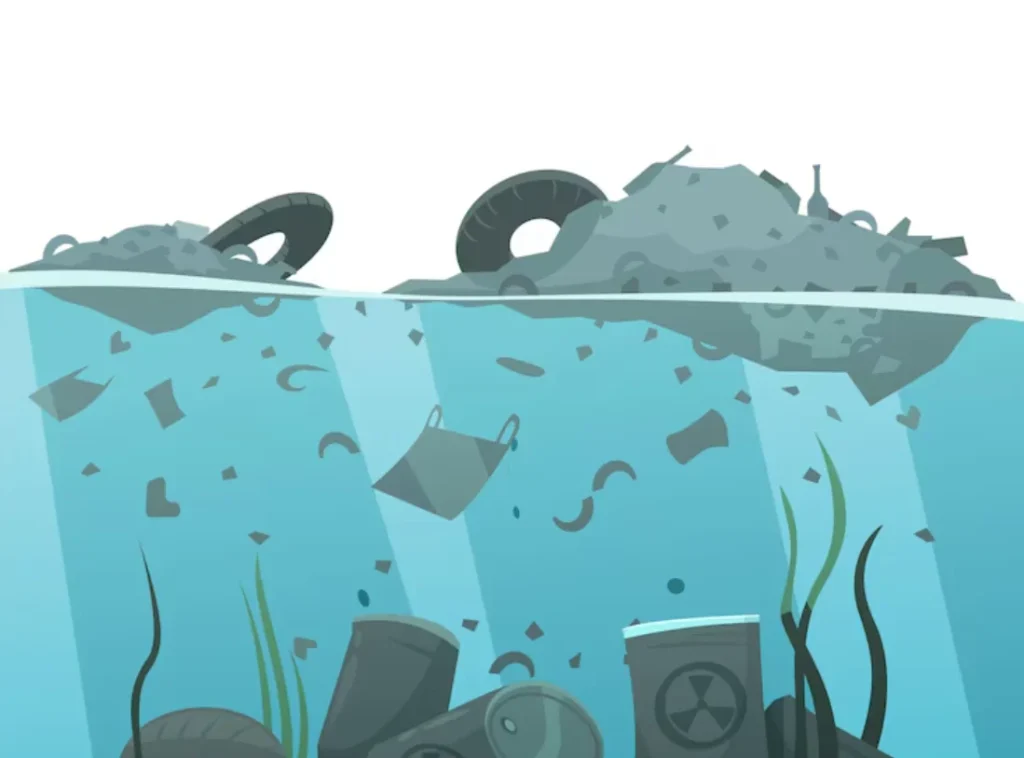
Stopping Water Pollution Australia can stop water pollution, but it takes the combined effort of government, industry, and the public. Here are some solutions to reduce water pollution and protect Australia’s waterways for future generations.
Sustainable Agricultural Practices
Farmers can also adopt sustainable farming practices to reduce water pollution from agricultural runoff. Applying chemical fertilizers and pesticides and establishing buffer zones along water bodies can also reduce the amount of chemicals that run off into rivers and lakes. Furthermore, sustainable irrigation methods such as drip irrigation can reduce water losses and groundwater pollution.
Enhancing Wastewater Treatment Infrastructure
Upgrading wastewater treatment plants and developing more effective flood control systems can reduce the volume of raw waste entering water supplies. And new strategies, like green infrastructure, can also serve to treat stormwater before it reaches rivers and oceans.
Reducing Plastic Waste
There remains work to be done if Australia wants to continue driving down plastic pollution by incentivizing recycling and reducing single-use plastics. Improving waste management and finding alternatives to plastics can help prevent waste from entering the ocean.
Stricter Regulations and Enforcement
Tighter restrictions for industrial and agricultural use are necessary to control water pollution. The government can also implement rules requiring companies to treat wastewater before releasing it into water bodies and can fine companies that violate environmental standards.
Raising Public Awareness
Teaching the public about the value of conserving water and preventing pollution is crucial. Campaigns for public awareness can motivate people to minimize their use of dangerous chemicals, to sort and dispose of waste, and to avoid using plastic. When people know more, they are more likely to take steps to safeguard their water supplies.
What You Can Do at Home
Individual actions, while small in isolation, contribute meaningfully to reducing water pollution at a community level. Practical steps Australian households can take include:
- Disposing of household chemicals, medications, and batteries through designated drop-off programs rather than pouring them down the drain or into general waste
- Reducing single-use plastic consumption and ensuring recyclable materials are correctly sorted.
- Using phosphate-free cleaning products and biodegradable personal care items that are less harmful when they enter the wastewater system
- Minimizing garden fertilizer and pesticide use, particularly before rain events when runoff risk is highest
- Installing water-efficient fixtures and rainwater harvesting systems to reduce pressure on municipal water supplies
- Supporting local waterway cleanup initiatives and community water quality monitoring programs
The Role of Agriculture in Water Pollution and Sustainable Practices
Agriculture is frequently lauded as the backbone of the Australian economy, but it brings its own suite of environmental challenges. Overuse of fertilizers, pesticides, and herbicides on Australia’s farmland has caused nutrient pollution, degrading water quality and endangering aquatic environments.
Regenerative farming is a crucial way to restore over-farmed and chemically destroyed land. Crop rotation, organic farming, and integrated pest management, among other approaches, can greatly reduce the dependence on chemicals that can affect the health of Australia’s waterways. Cover cropping and improved soil management can help control erosion and minimize sedimentation in rivers and streams. Australia can reduce the lasting impact of water pollution and maintain agricultural production by transitioning to more sustainable farming systems.
The Importance of Protecting Australia’s Coastal Ecosystems from Water Pollution
Australia hosts some of the most unique and varied coastal ecosystems on the planet, spanning from the Great Barrier Reef to coastal wetlands and mangrove forests. Such environments are highly susceptible to pollution, and even small amounts can cause considerable damage.
One of Australia’s most recognizable natural wonders, the Great Barrier Reef, is under constant pressure from multiple sources of water pollution. Rising pollutant levels, combined with ocean acidification driven by climate change, have contributed to repeated coral bleaching events, weakening the reef’s ability to recover. To safeguard Australia’s coastal environments, tough action is required, including reducing plastic waste, stronger controls on marine pollution, and cleanup campaigns. Conservation of these ecosystems is crucial not only for biodiversity but also for the sustainability of communities dependent on tourism and fisheries, which are vital to clean, productive coastal environments.
Conclusion
Water pollution in Australia is a complex and urgent challenge that spans agricultural land, urban centers, industrial sites, and coastal ecosystems. The consequences for public health, biodiversity, and the economy are significant and ongoing.
Addressing the problem requires action at every level. Farmers adopting sustainable practices, governments enforcing tighter regulations, industries investing in cleaner processes, and communities reducing plastic consumption all play a role. Protecting waterways such as the Murray-Darling Basin and ecosystems such as the Great Barrier Reef is not only an environmental responsibility but also essential for the long-term health, liveability, and economic resilience of the country.
By taking meaningful action now, Australia can protect its precious water resources and ensure that clean, healthy waterways remain available for future generations.