_edited_9.png)
Table of Contents
Introduction
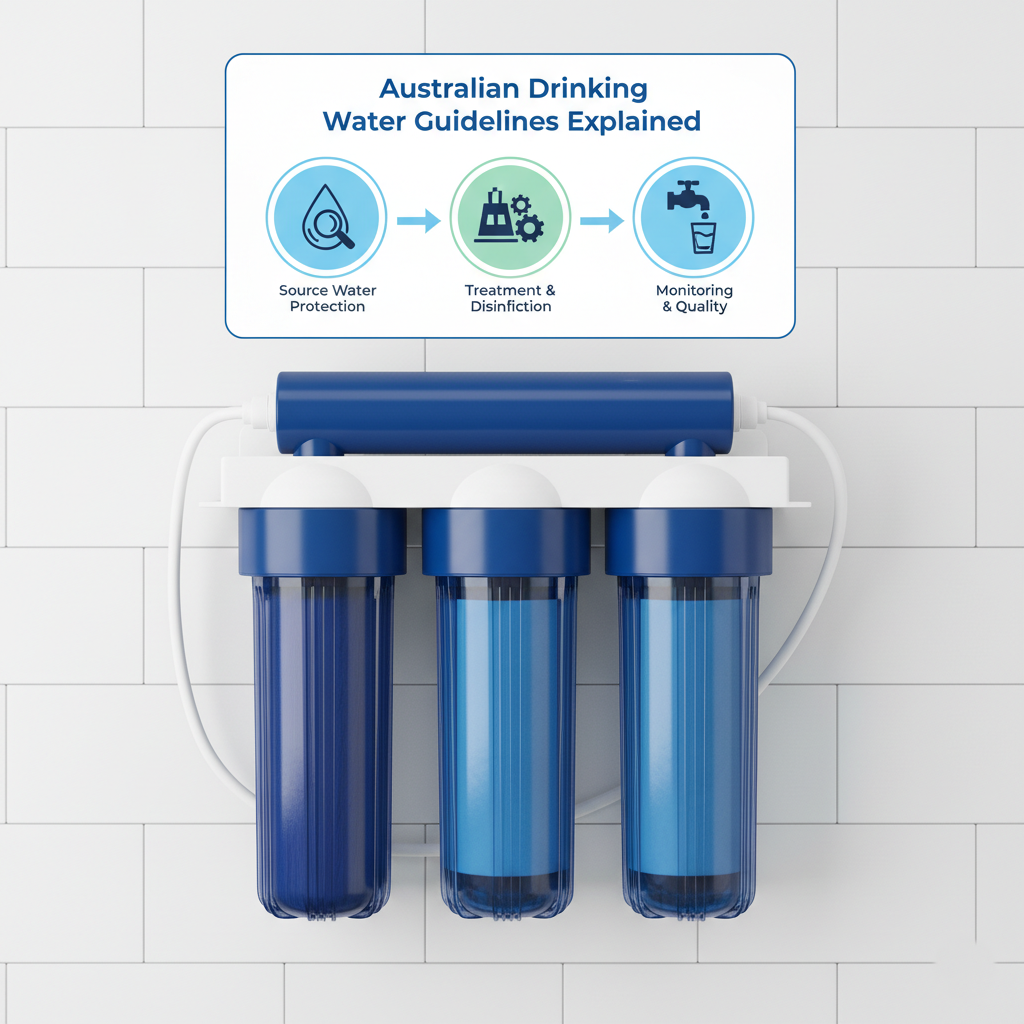
In this guide, we discuss the Australian Drinking Water Guidelines (ADWG), what they mean for drinking water quality nationwide, and the role Reverse Osmosis (RO) systems play in meeting and exceeding those standards. As water quality concerns continue to grow across Australia, understanding the framework that protects public health and how household filtration fits within it is increasingly important.
What Are the Australian Drinking Water Guidelines?
The Australian Drinking Water Guidelines (ADWG) are developed and maintained by the National Health and Medical Research Council (NHMRC) in collaboration with the Natural Resource Management Ministerial Council. They provide the national framework for managing drinking water quality across Australia, aiming to protect public health and ensure that drinking water supplied to Australians is safe, fit for consumption, and of acceptable quality.
These standards are not arbitrary rules; they have been developed through a thorough analysis of the health risks posed by waterborne contaminants. The guidelines cover a wide range of water quality parameters, from microbiological safety through to chemical composition, ensuring that water treatment processes effectively remove contaminants considered harmful to human health.
The ADWG contains both health-based guidelines addressing long-term risks from contaminants such as lead, bacteria, and fluoride and aesthetic guidelines covering factors such as taste, smell, colour, and turbidity. Both categories matter: health-based guidelines protect people from harm, while aesthetic guidelines ensure water is acceptable for everyday use.
Beyond setting safe levels for specific contaminants, the ADWG emphasises risk management and effective water treatment to ensure all drinking water supplied to Australians consistently meets these high benchmarks.
Key Components of the Australian Drinking Water Guidelines
1. Microbiological Quality
Microbiological safety is one of the most critical components of the ADWG. Waterborne bacteria and viruses can cause severe illness, including gastrointestinal diseases and, in vulnerable populations, life-threatening infections. The guidelines set acceptable thresholds for pathogens such as E. coli and coliforms, indicators of faecal contamination, and require immediate action if any are detected in drinking water.
The ADWG specifies that treatment for microbiological impurities must include, at minimum, a disinfection step, such as chlorination or UV treatment. For locations using untreated or inadequately treated water, additional treatment technologies such as Reverse Osmosis systems can provide a critical additional barrier to microbiological safety.
2. Chemical Contaminants
The ADWG guides hundreds of chemical contaminants, including heavy metals, pesticides, and industrial chemicals. These substances can enter drinking water through industrial processes, agricultural pesticide runoff, and corrosion of ageing pipes. Long-term exposure to certain chemicals can cause serious and cumulative health effects.
Lead in drinking water is a particular concern, especially in properties with older plumbing systems. The ADWG sets maximum acceptable concentrations for chemicals, including lead, nitrates, fluoride, and pesticides, to keep drinking water safe for all household members.
Reverse Osmosis systems are especially effective for water with high chemical contamination. RO treatment removes a wide range of dissolved substances, including heavy metals such as lead and arsenic, delivering cleaner, safer drinking water at the household level.
3. Aesthetic Quality
Aesthetic quality is an important and often underappreciated component of the ADWG. Water that tastes unpleasant, smells unusual, or appears cloudy will discourage consumption and may also signal contaminants that require investigation.
The ADWG sets aesthetic limits for attributes including turbidity, colour, taste, and odour. High turbidity, for example, can indicate suspended particles that may carry bacteria or viruses. Unpleasant taste or odour can signal chemicals such as chlorine, chloramine, or organic compounds.
RO systems improve the taste and odour of drinking water by reducing contaminants responsible for these issues, including chlorine, chloramines, total dissolved solids (TDS), and inorganic chemicals such as metals. This makes RO an excellent option for homeowners and businesses looking to improve not only drinking water safety but also taste and overall quality.
How Reverse Osmosis (RO) Fits into the Australian Drinking Water Guidelines
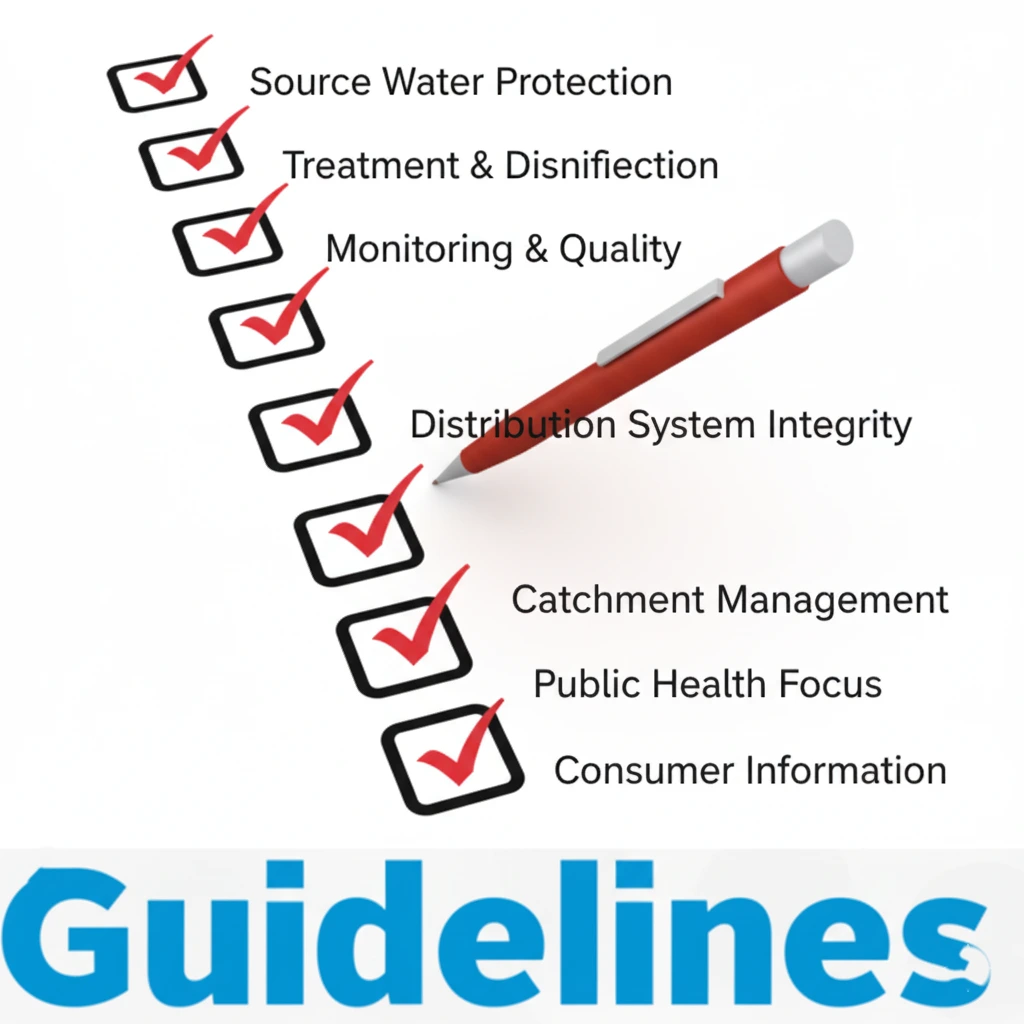
Reverse Osmosis is a water purification technology that uses a semi-permeable membrane to How Reverse Osmosis (RO) Fits into the Australian Drinking Water Guidelines
Australian Drinking Water Guidelines
Reverse Osmosis is a water purification technology that uses a semi-permeable membrane to remove ions, molecules, and larger particles from drinking water. The membrane lets water molecules pass through while blocking most dissolved contaminants, making it one of the most comprehensive household water treatment methods available.
The Australian Drinking Water Guidelines require specific levels of water treatment, and RO systems align well with those requirements. Here is how:
Microbiological Safety
The ADWG places significant emphasis on microbiological safety. While chlorination is the most widespread disinfection method, RO systems add a physical barrier by removing microorganisms larger than individual water molecules. RO is not designed to replace chemical disinfection, but it reduces pathogens and adds an extra layer of protection for households seeking to minimise microbiological risk.
Many modern RO systems also incorporate UV filtration as part of a multi-stage design, which inactivates any remaining microorganisms in the treated water. In areas with a higher prevalence of waterborne disease or poor source water quality, RO systems play a meaningful role in supporting household water safety.
Chemical Contaminant Removal
The ADWG sets maximum acceptable concentrations for a wide range of chemical contaminants in drinking water. RO systems are particularly effective at chemical removal, addressing heavy metals including lead, arsenic, and mercury that are associated with serious health risks in drinking water.
RO membranes have extremely small pores that allow water molecules to pass while blocking larger molecules, including most dissolved pollutants. This makes RO systems highly effective at reducing chemical contaminants to levels that comply with, or fall well below, the maximum acceptable concentrations set by the ADWG.
For Australians living in areas known for chemical contamination, or households relying on bore water or private water supplies, an RO system provides reliable assurance that drinking water meets ADWG safety standards.
Aesthetic Quality Improvement
Aesthetic characteristics of drinking water matter significantly to Australian households. The ADWG specifies that water should be clear, pleasant tasting, and free of unpleasant odour. Reverse Osmosis systems are among the most effective household technologies for improving water aesthetics.
By removing chlorine, chloramines, organic compounds, and other substances that contribute to poor taste and odour, RO systems can significantly improve the daily drinking experience. This applies equally to urban households dealing with chlorination taste and to rural households where water may have a higher mineral or organic content.
Compliant with Health Guidelines
RO systems can be configured with different filter combinations and operating specifications to address specific health concerns, including fluoride reduction and targeted heavy metal removal. Because the Australian Drinking Water Guidelines are periodically reviewed and updated, RO systems can be adapted to address newly identified contaminants of concern allowing households to remain aligned with current regulatory standards.
Many RO systems are independently tested and certified to NSF/ANSI standards and WaterMark certification, providing verified assurance of compliance with Australian and international performance specifications. Choosing a certified RO system gives households confidence that it meets or exceeds relevant ADWG safety and performance requirements.
Why Is Reverse Osmosis Important in Australia?
Australia’s diverse climate and geography create significant variation in water quality across different regions. While the majority of the urban population has access to treated drinking water that meets the ADWG, rural and remote communities can face ongoing challenges including:
- High levels of chemical contamination from industrial or agricultural sources
- Microbiological contamination resulting from inadequate water treatment infrastructure
- Poor aesthetic quality from community water sources, including elevated turbidity, taste, and odour issues
For Australians in these regions, a household Reverse Osmosis system provides a practical, effective way to achieve drinking water that meets ADWG standards, is free from harmful contaminants, and is acceptable in taste and appearance.
The Role of Reverse Osmosis in Rural and Remote Australia
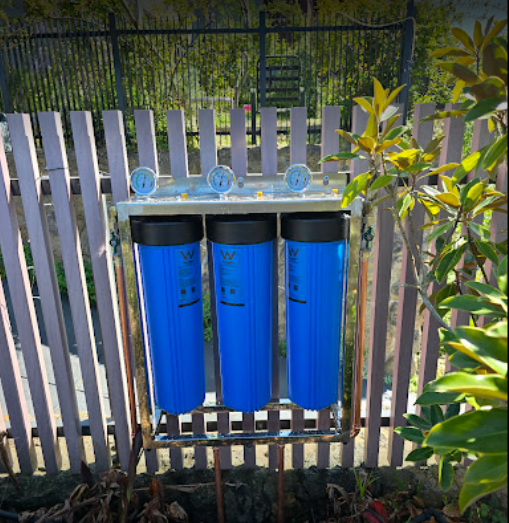
Access to consistently safe, treated drinking water in rural and remote areas of Australia can be limited. These communities may face water contamination from agricultural practices, industrial activity, and insufficient treatment infrastructure. While the ADWG defines clear standards for safe drinking water, water quality in much of rural and remote Australia does not always meet these standards at the household level.
This is where Reverse Osmosis systems provide significant value. They add a reliable household-level filtration layer that removes dissolved contaminants and ensures access to clean, safe drinking water, regardless of source water quality. Whether the concern is elevated nitrates, agricultural pesticide residue, or microbiological contamination, RO systems offer a practical and effective household solution for rural and remote communities across Australia.
The Importance of Regular Water Quality Monitoring in the ADWG
Regular monitoring is an essential component of the ADWG framework. Water quality can vary due to seasonal changes, pollution events, and shifts in local water treatment practices. The ADWG requires regular water quality testing to ensure drinking water consistently meets required health and aesthetic standards.
Local water utilities and suppliers must periodically test a range of parameters, including bacteria, chemical contaminants, and aesthetic attributes such as turbidity and taste. The ADWG specifies sampling frequencies and testing methods to ensure that data are representative and that any issues are identified and addressed promptly.
For households relying on private water supplies, regular testing is particularly important. Reverse Osmosis systems play a valuable supporting role in these situations, providing consistent household-level filtration where a public authority may not routinely monitor water quality. An RO system gives households greater confidence that their drinking water is free from harmful contaminants even where external testing is infrequent.
Future Trends in Drinking Water Quality in Australia
Australia’s drinking water quality faces growing pressure from climate change, population growth, and emerging industrial contaminants, all of which threaten the long-term integrity of the country’s water supply. The ADWG will continue to evolve to address new contaminants and emerging health evidence, with increasing focus on water sustainability and environmentally responsible water management practices.
Reverse Osmosis systems are well positioned to advance alongside these changes, with ongoing improvements in energy efficiency, water recovery rates, and the ability to target newly identified contaminants as they are incorporated into Australian water quality standards.
By staying informed about ADWG updates and investing in certified water filtration systems such as RO, Australian households can be confident their drinking water meets current safety standards and is well positioned for future changes.
Conclusion: Reverse Osmosis and the Future of Drinking Water in Australia
Understanding the Australian Drinking Water Guidelines is important for every Australian household. While the ADWG sets high standards for drinking water quality, chemical contamination, microbiological risk, and aesthetic concerns continue to affect water quality in many parts of the country particularly in rural, remote, and older urban areas.
Reverse Osmosis systems help households meet and exceed these standards by reliably removing harmful contaminants, improving taste and odour, and delivering consistently clean drinking water from the tap.
If you want to go beyond what municipal treatment provides, ensuring your tap water meets ADWG standards at the household level with the added benefit of great taste, an RO system is one of the most effective solutions available to Australian homeowners and businesses.