_edited_9.png)
- INTRODUCTION:
- What is Water Quality? Understanding the Key Elements of Water
- How to Test Water Quality in Melbourne
- What Does Water Quality Mean for Your Skin and Hair?
- How to Improve the Quality of Water in Melbourne Homes
- Water Filtration Systems
- Installing a Water Softener
- Routine Water Maintenance
- Why Regular Water Testing is Important in Melbourne
- What Can You Do to Improve Melbourne’s Water Quality on a Community Level?
- Impact of Poor Water Quality on Public Health in Melbourne
- How Tap Water Becomes Contaminated
- Water Quality Regulations in Melbourne: Understanding the Standards
- Water Conservation: A Vital Aspect of Water Quality in Melbourne
- Conclusion
INTRODUCTION:
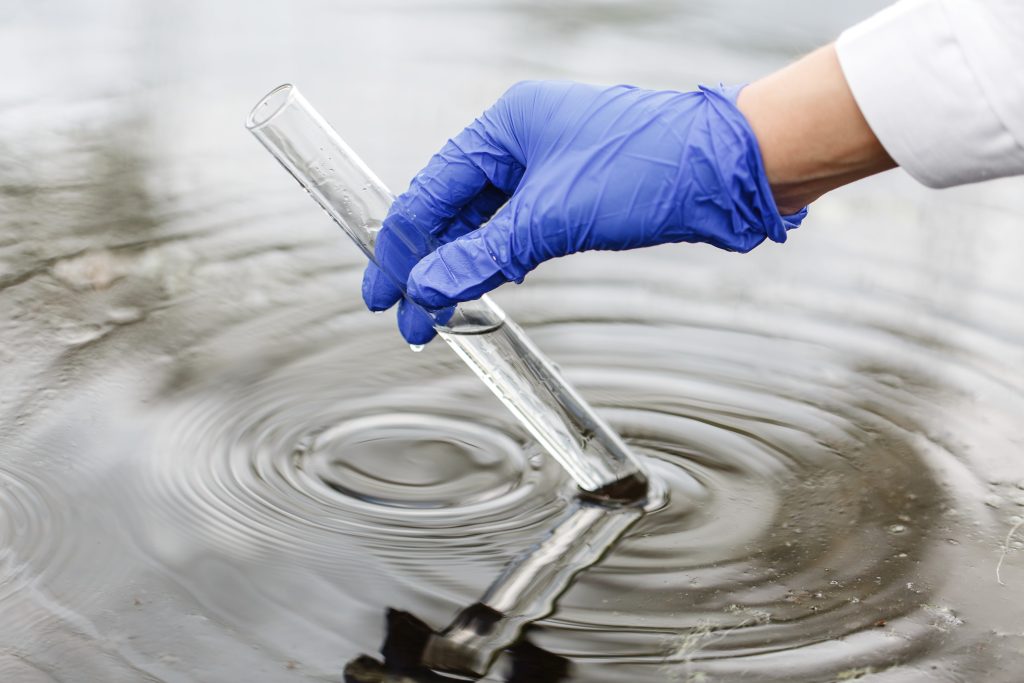
Melbourne is consistently ranked among the world’s most liveable cities, and its water supply is generally considered safe. But safe doesn’t always mean perfect. From aging household plumbing to seasonal changes in catchment quality, Melbourne residents face real and evolving water quality concerns that can affect their health, skin, hair, and home appliances. This guide breaks down everything you need to know about water quality in Melbourne in 2026: what to test for, the risks, and what you can do about it.
What is Water Quality? Understanding the Key Elements of Water
Water quality refers to the characteristics that make water suitable for drinking, bathing, cooking, irrigation, and other uses. Melbourne’s primary water sources (Thomson, Yering Gorge, Upper Yarra reservoirs). Providing clean, safe water is a matter of public health and safety. If you have poor-quality water, it can increase health risks, and normal routines require good, clean water.
Chemical Composition of Water
Water dissolves substances such as minerals, salts, and other chemicals, and this is the chemical composition of water. Several of these elements are naturally abundant in the environment, while others are byproducts of industrial and other human activities.
Chlorine: This is commonly used for water disinfection, but it can also cause skin irritation and gastrointestinal issues at high levels.
Nitrates: Often found in agricultural runoff, nitrates can contaminate water and pose a risk to infants, leading to a condition called “blue baby syndrome.”
Heavy metals, such as lead and arsenic, may be mixed with water from old piping or industrial pollution, causing numerous health problems.
Fluoride: Melbourne’s water supply has been fluoridated since 1977 as a public health measure to reduce tooth decay. The concentration is maintained at approximately 1.0 mg/L, which is within the safe range set by the Australian Drinking Water Guidelines (ADWG). While dental and medical authorities widely support fluoridation, some residents prefer to filter fluoride from their drinking water using reverse osmosis systems, which are currently the most effective household-level method for fluoride removal.
Biological Factors
Bacteria, viruses, and protozoa are microorganisms that contaminate water. These microorganisms cause diseases such as gastroenteritis, cholera & other waterborne illnesses. Accordingly, water is aggressively monitored for pathogens.
Bacteria: Bacteria, particularly E. coli and other dangerous species, can cause severe stomach illnesses and infections when ingested.
Viruses: Water can also contain viruses, such as norovirus and hepatitis A, both of which may cause severe gastrointestinal symptoms.
Physical Properties
Physical properties like cloudiness (turbidity), temperature, and color also influence water quality. Good water should be clear, while murky or colored water may indicate contamination.
Turbidity: It is simply the clarity of water, but abnormally high levels can indicate the presence of large particles or pollutants in amounts that make water unsafe to drink.
Temperature: The temperature of the water with which a fish has to come in contact can influence its ability to store oxygen, which is essential for aquatic existence. Frigid temperatures can compromise ecosystem integrity and water quality.
Knowing these components of water quality helps you better evaluate the water in your home and determine whether it meets the minimum standards necessary for your health and safety.
How to Test Water Quality in Melbourne
Before using any water, test it to ensure it is safe and usable. Melbourne residents can use home testing kits available online or visit local laboratories like [LabX or Melbourne Water testing services] to monitor potential contaminants that could affect health.
Basic water quality tests can be done at home with kits available for purchase. These tests are easy to use and detect a wide range of contaminants. If your results show pH levels outside 6.5-8.5, high chlorine, or elevated lead, consider consulting a professional or contacting Melbourne Water for further testing.
- PH Levels: The PH level of the drinking water should be between 6.5 and 8.5. Testing pH lets you check for water that may be too acidic or too alkaline.
- Chlorine Content: Melbourne’s water often contains chlorine for disinfection. While safe in small amounts, too much chlorine can irritate the skin and eyes.
- Mineral Content: If your water contains high levels of calcium and magnesium, it can cause hard water, which can lead to scale in pipes and skin irritation.
- Lead Contamination: Older homes in Melbourne may still have lead pipes that can leach lead into the water. Lead testing is crucial in these cases. Residents in older Melbourne suburbs, including Fitzroy, Collingwood, Richmond, Brunswick, and parts of the inner south, are at higher risk due to the age of their plumbing infrastructure. Homes built before 1970 are more likely to contain lead solder joints or lead service pipes that can leach particles into drinking water, particularly when water sits in pipes overnight. If you live in an older Melbourne home and have not tested for lead recently, this should be treated as a priority test rather than a routine one.
- Turbidity Levels: Cloudy or murky water is an indication of dirt or bacteria infiltration, both compromising the safety and taste of drinking water
The tests are cheap, easy to carry, and indicate in real time if the water quality is not suitable for domestic use.
What Does Water Quality Mean for Your Skin and Hair?
In Melbourne, water with high chlorine or mineral content can strip moisture from both your skin and hair, leading to dryness, irritation, and long-term damage.
How Does Water Quality Affect Your Skin?
Your skin naturally produces oils that form a protective barrier. Chlorine and excess minerals in tap water can strip away this barrier, leaving skin dry, irritated, and more vulnerable to conditions like eczema or acne. Those with sensitive skin are the most susceptible to these effects.
- Hard Water and Skin Health: Hard water can leave a mineral residue on your skin, which could clog the pores and cause breakouts or a more serious condition of irritation. On the other hand, which can add hardness to water and decrease skin moisture, accelerates aging.
How Does Water Quality Affect Your Hair?
Hard water minerals coat the hair shaft, making it dry, brittle, and difficult to condition effectively. Hard water, especially, can leave a mineral deposit on your hair that makes it look dull and lifeless. The deposit makes it difficult for shampoos and conditioners to work efficiently.
However, there are measures you can take to lessen its effects. A water softener or shower filter is one way to reduce the damage caused by poor-quality water to your skin and hair.
How to Improve the Quality of Water in Melbourne Homes
Ensuring the water you drink is safe and healthy relies on improving water quality in Melbourne. Here are some possible water systems you can improve in your home to enhance your water quality.
Water Filtration Systems
The best way to address dirty water is to install a water filtration system. These systems remove contaminants, including chlorine, lead, heavy metals, and harmful bacteria. A few of the most commonly used filtration systems:
- Activated Carbon Filters: This type of filter is great at removing chlorine, volatile organic compounds (VOCs), and other chemicals that can make your tap water taste or smell bad.
- Reverse Osmosis Systems: Reverse osmosis (RO) systems are a high-quality filtration option that removes impurities such as heavy metals, pesticides, and bacteria.
- UV Water Purifiers: These purifiers kill bacteria and viruses using ultraviolet light and do not use any chemicals.
Installing a Water Softener
Melbourne’s current water hardness is ~60 mg/L, which is considered soft to moderate. If you have hard water, a water softener is also useful for cleaner filtered water. The unique approach to preventing scale and reducing calcium and magnesium levels also helps reduce water hardness without damaging your skin, hair, or appliances.
Routine Water Maintenance
Regular maintenance of your water systems, such as cleaning filters and inspecting plumbing, helps keep your water safe. You also want semi-annual professional testing to catch any new problems that may arise in your water quality.
Why Regular Water Testing is Important in Melbourne

While Melbourne water quality is carefully monitored, you should test your water regularly to check for any impurities that may affect your health. These may be tested: lead, bacteria, chlorine, and hardness, especially if you live in an older house with antiquated plumbing.
By remaining vigilant during testing and upkeep, you can be confident that the water you consume and use is safe, not contaminated.
What Can You Do to Improve Melbourne’s Water Quality on a Community Level?
There are steps you can take at home to manage your water quality, but there are also community-wide efforts that support the health of our waterways, and more on a larger scale.
Upgrading Infrastructure
The upgrade of water infrastructure will support Melbourne. Replacing old pipes and installing more efficient water treatment plants are necessary to ensure that the water, before it reaches homes, remains of top quality.
Proper Stormwater Management
Stormwater runoff is a major driver for the transport of unsightly chemicals in Melbourne’s rivers and reservoirs. Keeping the water clean and managing stormwater with green infrastructure and smart urban planning
Conserving Water
Practicing water conservation in Melbourne can help sustain water use and improve water quality. Also, simple measures such as reducing water wastage can go a long way in conserving water resources.
Impact of Poor Water Quality on Public Health in Melbourne
Low water quality can greatly affect the health of Melbournians. These can cause a range of health issues, including waterborne diseases, gastrointestinal problems, and skin diseases, due to contaminated water. For example, drinking water that is contaminated by lead or pesticides can cause kidney damage, congenital disabilities, and developmental delays in children and cancer over the long term. The health of Melbourne residents requires good water quality at both the household and community levels.
How Tap Water Becomes Contaminated
Melbourne’s drinking water is sourced from protected mountain catchments, including the Thomson, Upper Yarra, and Yering Gorge reservoirs. While these catchments are carefully managed, bushfire events, such as those experienced across Victoria in recent years, can significantly affect downstream water quality.
When fire burns through a catchment area, ash, sediment, heavy metals, and nutrients are washed into waterways during subsequent rainfall. This can temporarily raise turbidity levels, alter pH balance, and introduce contaminants that standard treatment processes must work harder to remove. Melbourne Water actively monitors catchment conditions following fire events and adjusts treatment processes accordingly. Still, residents in affected regions should stay informed through official updates and consider additional home filtration as a precaution during these periods.
Water Quality Regulations in Melbourne: Understanding the Standards
Several government agencies regulate water quality in Melbourne and manage daily operations to ensure the supply meets health and safety standards. Water quality is monitored and managed by the Victorian Environment Protection Authority (EPA) and Melbourne Water. They test water quality at set times and provide some statutory protection to prevent contamination. Laws like this ensure your water meets appropriate safety standards so you can drink, bathe, and cook with peace of mind.
Water quality in Melbourne is governed at the national level by the Australian Drinking Water Guidelines (ADWG), developed by the National Health and Medical Research Council (NHMRC). These guidelines set the maximum acceptable levels for over 250 physical, chemical, and microbiological parameters in drinking water. At the state level, the Safe Drinking Water Act 2003 (Victoria) legally requires water suppliers to meet these standards and report any quality failures. Residents who wish to report a water quality concern can contact Melbourne Water directly or the Victorian EPA, both of which maintain public reporting channels.
Melbourne Water publishes an official Annual Drinking Water Quality Report, which is publicly available on their website. This report details the results of thousands of water quality tests conducted throughout the year across Melbourne’s supply network. Residents are encouraged to review this report to understand exactly what is present in their local water supply and how it compares against national safety benchmarks.
Water Conservation: A Vital Aspect of Water Quality in Melbourne
Melbourne plays a vital role in the conservation and quality of water. We are in urgent need to be responsible with water so that we can pass clean freshwater on to future generations. Fixing leaks, using water-efficient appliances, and adopting rainwater harvesting systems are among the ways to lessen pressure on Melbourne’s water resources and improve the quality of community water.
Conclusion
Health, Hygiene, and quality of life are dependent on maintaining healthy water quality in Melbourne. Here are the tips to help you test and improve your water quality so you can take actions to better care for yourself/ your family from potential health risks.
Ways to enhance the purity of the water used: install filtration systems, use water softeners, or perform regular testing. At the same time, such a game-changing solution to an immense challenge deserves support from the rest of society. Assisting with wider community projects that improve infrastructure or manage stormwater will help ensure clean, safe water for everyone in Melbourne.
Being informed and doing your part to ensure the best water quality will benefit not only you but also a greener Melbourne.