

INTRODUCTION:
Table of Contents
In this post, we discuss the reality of reverse osmosis (RO) systems and why they may not be the right answer for every Australian household looking to improve their drinking water. Reverse osmosis has become popular among Aussie homeowners, but it has important limitations and hidden drawbacks worth understanding before you decide.
This guide covers the main downsides of RO systems and what you need to know before installing one in your home.
What Is Reverse Osmosis?
Reverse osmosis is a water purification process that uses a semi-permeable membrane to remove ions, molecules, and larger particles from drinking water, including salts, heavy metals, chlorine, fluoride, and other dissolved substances. Water is pressurized to pass through the membrane, allowing only water molecules through. The result is water with significantly reduced dissolved solids.
While RO systems can deliver high-quality drinking water, the process has drawbacks that affect water consumption, taste, and ongoing maintenance.
1. Excessive Water Wastage: Why It’s a Major Concern
High water waste is one of reverse osmosis technology’s biggest disadvantages. For every liter of clean water produced, a standard RO system typically discharges around 3 to 5 liters of wastewater. Newer, high-efficiency models have improved this ratio considerably, but water wastage remains a relevant consideration when comparing systems.
This is especially important in parts of Australia that experience drought or where water conservation is a priority. Before purchasing, compare the recovery rate between models; this figure varies substantially and should factor into your decision.
Why High Water Wastage Is a Problem
Environmental impact: Discharging several liters of water for every liter produced undermines conservation efforts, especially in water-scarce regions.
Higher water bills: A system that produces significant wastewater can increase household running costs over time.
Practical consideration: In regions where every liter matters, the wastewater ratio of the specific model chosen should be a key comparison point.
2. Flat, Lifeless Taste: Why Reverse Osmosis Water Tastes Different
Many people expect reverse osmosis water to taste fresh and clean, but a flat or neutral taste is common. Reverse osmosis removes not only contaminants but also beneficial minerals such as calcium, magnesium, and potassium the same minerals that contribute to the familiar taste of regular drinking water.
Why Does Water Taste Flat?
Mineral reduction: Filtration removes minerals that shape water’s natural taste.
Neutral taste: Water without these minerals can taste flat, which some people find less enjoyable for everyday drinking.
Possible solution: Some reverse osmosis systems include a remineralization filter stage that adds selected minerals back into the water after treatment. This adds cost and a component that requires its own maintenance schedule.
3. Lost Minerals: The Nutritional Drawback of Reverse Osmosis
While reverse osmosis effectively removes contaminants, it also removes beneficial minerals, including calcium, magnesium, and potassium. The body uses these minerals for bone health, muscle function, and heart health.
Mineral-rich water can serve as a supplementary dietary source of these elements. Demineralized water does not offer this benefit, which matters for individuals who rely on water as part of their overall mineral intake.
Why Lost Minerals Matter
Health consideration: Minerals such as calcium and magnesium contribute to bone and muscle health. Consistently drinking demineralized water removes a supplementary dietary source of these nutrients.
Taste and cooking: Minerals influence both the taste of drinking water and the flavor of food cooked in it. Very low-mineral water can affect cooking results.
Remineralization: Some RO systems include filters that reintroduce selected minerals after treatment, though these add to both the upfront cost and ongoing maintenance requirements.
4. Maintenance Hassles: Why Keeping an RO System Running Isn’t Simple
Maintenance is a significant practical consideration with reverse osmosis systems. To keep performing correctly, RO systems require ongoing maintenance, including regular filter replacement typically every 6 to 12 months, depending on water quality and usage and periodic membrane replacement every 2 to 3 years.
If filters aren’t replaced on schedule or the membrane isn’t serviced when needed, water quality can decline, and the system’s performance can be compromised.
Why Maintenance Is a Consideration
Regular filter replacement: Consistent filter changes keep reverse osmosis water systems performing to their rated specifications.
Membrane servicing: The membrane needs replacement every few years as it accumulates impurities.
Ongoing costs: Filter cartridges and membrane replacement add to the total cost of ownership and should be budgeted for before purchasing.
5. Cost vs Benefit: Is Reverse Osmosis Worth the Investment?
Cost relative to benefit is an important factor when evaluating a reverse osmosis system. While these systems deliver high-quality purified water, the initial purchase price, installation cost, ongoing filter replacements, and water usage all contribute to the total cost of ownership. Systems range from several hundred to over a thousand dollars depending on the model and configuration.
Why Cost vs Benefit Matters
Installation cost: RO systems, particularly whole-house models, require a higher upfront investment than point-of-use alternatives.
Ongoing costs: Filter replacements, membrane servicing, and increased water usage from wastewater production all contribute to long-term running costs.
Alternative options: Households may have more targeted filtration options when a full reverse osmosis system isn’t required such as activated carbon filters for those whose primary concern is chlorine taste and odour.
6. Slow Water Flow: The Practical Reality of Reverse Osmosis Systems
One limitation of reverse osmosis systems is that they produce filtered water more slowly than conventional filtration methods. The filtration process takes time, and filling a storage tank with purified water can take several hours depending on the system’s capacity and incoming water pressure.
For households with higher daily water demand, or where immediate access to large volumes of filtered water is needed, this can be a practical inconvenience.
Why Flow Rate Is a Consideration
Time-consuming process: Filtration is slower than standard tap water flow, which can be inconvenient in high-demand situations.
Higher household demand: If multiple people need filtered water at the same time, the slower production rate can be a limiting factor.
Storage tank dependence: Systems with storage tanks help manage flow rate, but the tank needs time to refill after being depleted.
7. Not Always Necessary: Why RO May Not Be Right for Every Home
A reverse osmosis system isn’t always the best choice. In much of Australia, tap water already meets rigorous health and safety standards. In these cases, reverse osmosis systems may provide more treatment than the water quality requires.
Having your water tested before installation is the most practical first step. If your tap water is already clean and your main concern is chlorine taste or odour, a targeted filtration system, such as an activated carbon filter, may meet your needs at a lower cost and with less maintenance.
Why It May Not Be Necessary
Treated municipal water: Most major Australian cities already supply tap water that meets national safety standards.
Match treatment to the problem: If your water quality is already good, you may not need a reverse osmosis system.
Alternative filtration: Activated carbon filters and other options may address specific concerns in your water without the higher cost or maintenance demands of a full RO system.
Common Complaints About Reverse Osmosis Systems
Beyond water wastage, taste, and maintenance, homeowners commonly report concerns about the slow filtration speed of reverse osmosis systems. Some users also note that the physical footprint of the system, including the storage tank and filter housing, takes up a meaningful amount of space beneath the sink.
For households with limited cabinet space, fitting both an under-sink unit and its associated components, or considering a whole-house reverse osmosis unit, requires careful planning before purchase. These practical considerations lead some homeowners to explore alternative filtration options that better match their kitchen layout and daily usage patterns.
What You Need to Know Before Installing an RO System
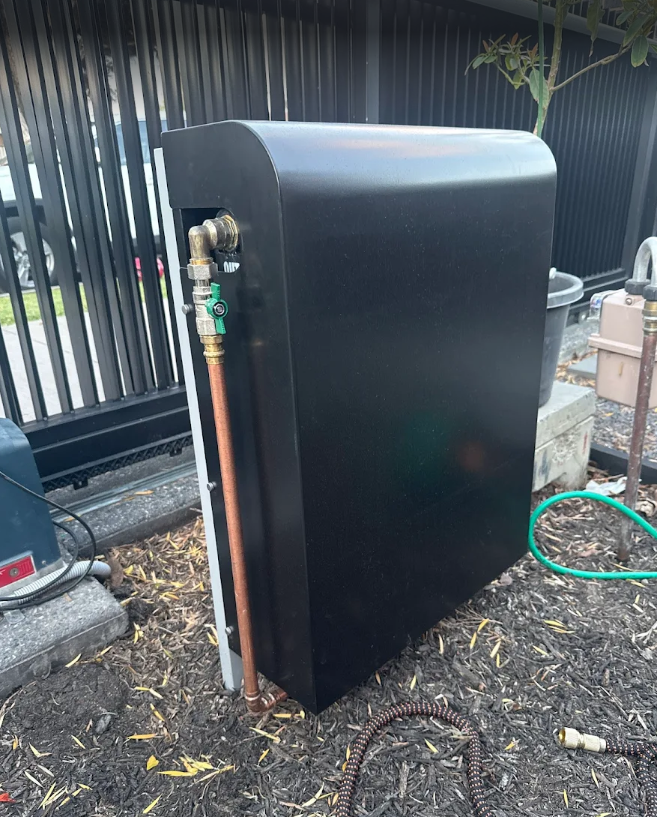
Before you go ahead and spend the money on a reverse osmosis system, here are a few things you need to consider:
Water Quality
Get your tap water tested to see if you actually need reverse osmosis. In most applications, basic carbon or other filtration methods will likely remove certain contaminants.
Costs
Consider the system’s upfront cost, plus maintenance, and whether you may pay more for water because you’re wasting it. Now weigh these costs against what you’ll derive from the system.
Space Requirements
Make sure you have enough space for the RO system, especially if it’s a whole-house unit or an under-sink model.
Maintenance Commitment
Be ready to replace filters and membranes regularly, and understand the time and money investment it will take to keep the system running smoothly.
Alternatives
Consider other, less costly filtration options with lower maintenance needs, such as activated carbon filters or UV purifiers.
Alternative Filtration Systems to Consider
If you’re unsure whether reverse osmosis is the right choice, several filtration systems can meet your water purification needs without the downsides of an RO system.
Activated Carbon Filters
These filters remove chlorine, sediment, and volatile organic compounds (VOCs). They are affordable, low-maintenance, and water-efficient.
UV Purifiers
Ultraviolet water filters effectively sterilise water, killing bacteria and viruses without chemicals or damaging beneficial minerals.
Ceramic Filters
Ceramic filters are an earth-friendly, cost-effective way to remove bacteria and sediment from water.
All of these options can be easier to maintain, less expensive, and may be a better fit if your water quality matches one of them.
Conclusion: The Ugly Truth About Reverse Osmosis
The ugly side of reverse osmosis water purification. Reverse osmosis is a great way to purify water, but there are some aspects about this method that you don’t read about. With lots of water wastage, loss of important minerals, high cost, and maintenance frustration, it may not be suited for all homes.
Before you decide, evaluate your water’s purity, the financial commitment, and other filtration options. In most cases, a cheaper, easier solution exists that meets your needs without the downsides of reverse osmosis. The key is finding the best water filtration system that’sfor your home.