_edited_9.png)
Table of Contents
INTRODUCTION:
In this post, we discuss the best home water filter systems in 2025, how they operate, and why ensuring safe, clean water is vital for your household in Australia. Clean drinking water is a minimum requirement, and as health concerns about water contamination grow, ensuring your home has a reliable water filter system can protect your family’s health and well-being.
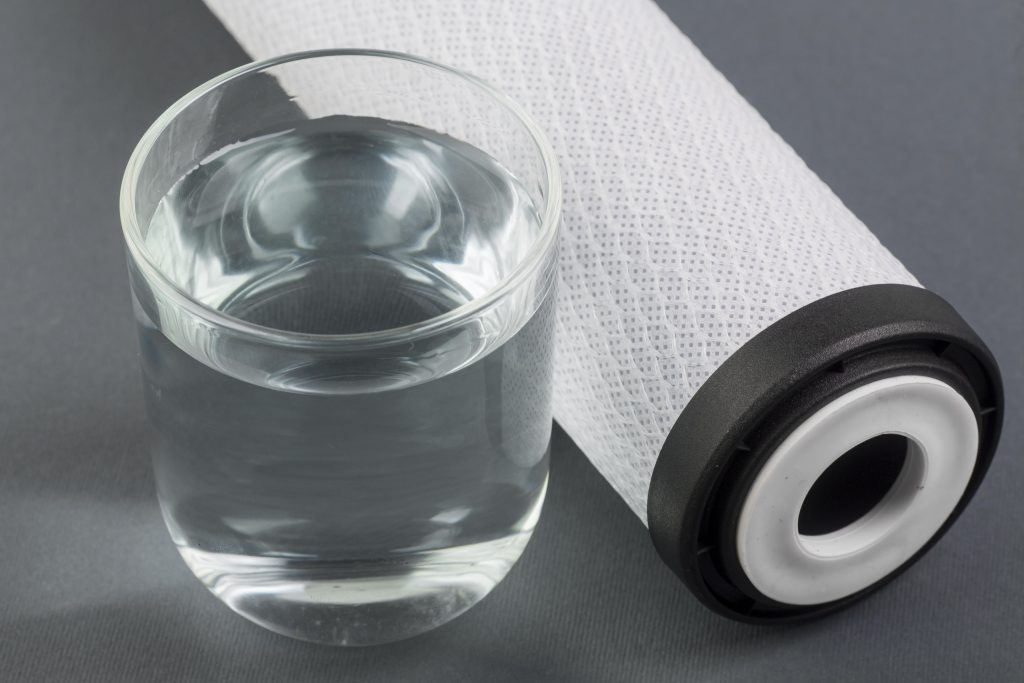
In Australia, water contamination varies from high chlorine levels in urban areas like Sydney to chemicals, heavy metals, and bacteria in rural regions. With many options available, understanding your choices can empower you to select the best home water filter system tailored to your needs, giving you confidence in your decision.
Home Water Filter System Australia: An Overview
The longer you continue using your old filter, the more it will clog up over time, decreasing your water flow. Since Australian water quality varies across states and cities, staying on top of filter maintenance can help you feel in control and reassured that your water remains safe and clean, regardless of where you live.
Choosing the right home water filter system is essential for removing specific contaminants, such as chemicals, heavy metals, and bacteria, ensuring your water is safe and tastes better. The most popular options include activated charcoal filters, reverse osmosis, and UV purifiers, each suited to different water concerns.
Best Water Filter System for Home: Top Picks in 2025
Efficient, durable, and affordable home water filter systems are even more in demand by 2025. The best water filtration system for home use, based on everything from effectiveness to all-around convenience, is a variation of the true water filter.
Reverse Osmosis Drinking Water Filtration System for Home
An RO (Reverse Osmosis) drinking water filter system is the most advanced and effective home water purification system. Since concerns about pollutants such as heavy metals, chlorine, fluoride, bacteria, and dissolved solids have become widespread, a reverse osmosis system is the best choice for filtering tap water at home. Reverse Osmosis utilizes a semipermeable membrane to remove contaminants from your water, providing you with clean, clear, refreshing water.
Pros:
- 99 percent of contaminants, including heavy metals, chlorine, and fluoride.
- Enhance the flavor and quality of drinking water.
- Cleaner, healthier water for cooking, drinking, and other home uses.
Cons:
- Wastes water for filtration (3-4 gallons of wastewater for every gallon of purified water).
- (The device costs more to buy and maintain.)
- Removes Helpful minerals from water, though some systems utilize a remineralization filter.
Activated Carbon Water Filters
Among the most common and widely used water filters are activated carbon filters because they are simple, inexpensive, and effective at improving water taste and smell. Not only that, but these filters will also eliminate chemicals, pesticides, chlorine, and volatile organic compounds (VOCs) from your water, an ideal choice for any homeowner who wants to enhance the overall taste and quality of their water.
Active carbon filters are ideal for people whose primary concern is chemical pollution, chlorine, and bad odors.
Pros:
- Perfect for taking out chlorine, pesticides, and chemicals (like bad taste and odors).
- Cheap, simple to install, and little hassle.
- Great for the quality improvement of the standard tap water.
Cons:
- Not suitable for removing heavy metals or dissolved salts.
- It needs a change filter at regular intervals (6-12 months).
- Doesn’t remove some contaminants, such as fluoride and nitrates.
UV Water Purifiers
UV (Ultraviolet) water purifiers are an excellent choice for individuals who want clean drinking water free of bacteria, viruses, and other pathogens. UV purifiers use UV light to disinfect water by destroying the DNA of bacteria and viruses, without the use of heat, pressure, or chemicals. This makes UV purifiers an excellent option for households concerned about bacterial contaminants, but not necessarily about very high levels of chemicals or heavy metals in their water.
Pros:
- Killing bacteria and waterborne diseases, killing viruses, and preventing other pathogens, keeping germs and impurities removed from your drink.
- It’s chemical-free, which is environmentally friendly.
- Preserves the taste and quality of water, because no chemicals or water filtration, or conditioning are used to change the water taste or water quality.
Cons:
- UV purifiers do not filter other impurities, such as chlorine, fluoride, or heavy metals. It is thus typically used in combination with other filtration mechanisms for full purification.
- The UV light needs to be changed frequently (approximately every 1-2 years), which is an extra expense for the homeowner.
- Pure water purifiers are ideal for homes where the source of water is usually contaminated with germs and bacteria prevent all kinds of diseases. Water purifiers.
Whole House Filtration Systems
A whole-house water filter system is the perfect solution for households that want to maximize the purity of drinking water without compromising other considerations. Unlike under-sink or pitcher models that serve only drinking water, a whole-house model can address all the water used in your home, from what comes out of the kitchen taps to the water in your showers and even your cleaning water.
Pros:
- Delivering clean water to every faucet in your home is convenient and refreshingly substantial.
- Minimizes plumbing problems and scale deposits due to hard water.
- Removes up to 99.9% of contaminants, such as chlorine, pesticides, and heavy metals.
- Perfect for families with well water or several types of health issues who would like a more complete water filtration set.
Cons:
- Whole-house systems can be an expensive initial investment when installation and upkeep are taken into account.
- And some of them may need to be installed by a pro, adding to the expense.
- Bigger systems can need more space and maintenance, including swapping out filters or parts as time passes.
What Are the Best Water Filters for Home Use?
The best water filter for home use most likely depends on the contaminants in your water. If not, you might want to purchase a water test kit or contact your local water utility for a report on your water quality — it’s always a good idea to know what you’re drinking. Here we’re recommending systems based on the quality of your own water.
Reverse Osmosis Systems: Ideal for households that need to eliminate a wide range of contaminants, including dissolved salts, heavy metals, chlorine, and fluoride.
Activated Carbon Filters: They are perfect for removing taste, odors, chlorine, organic chemicals, and pesticides.
UV Purifiers: Excellent for those whose homes are exposed to corrosion from bacteria and viruses.
Each type of filter has its advantages and limitations, so knowing your requirements is key to choosing the best water filter for your home.
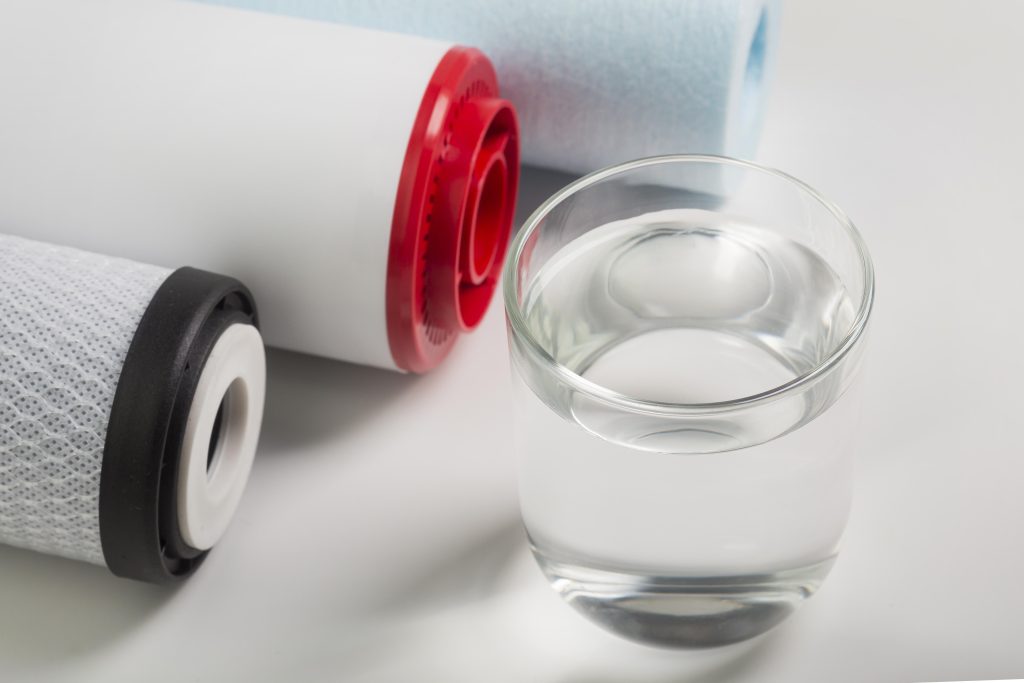
How to Filter Water at Home: A Step-by-Step Guide
There are a few ways to filter water at home. The filtration method will differ depending on the type of filter you prefer. Here is an article you can go through on how to filter water at home:
Choose the Right Water Filter: Choose the right water filter based on your water source and the specific impurities you wish to eliminate, such as reverse osmosis, activated carbon, or a UV purifier.
Set Up the Filter: The installation process could be a no-brainer DIY (such as a pitcher filter) or more complicated (such as a reverse-osmosis system). Some filters must be installed beneath the sink, while others can be placed on the counter.
Scheduled Maintenance: Replace filters regularly as recommended by the manufacturer. For example, activated carbon filters usually need to be replaced every 6-12 months, while RO membranes can last 2-3 years.
How to Choose the Right Water Filter for Your Home
It can be overwhelming trying to shop around for the best home water filter. To help you decide, consider these points:
Water Quality: Know your tap water quality, have it tested, or check local reports. If you have chlorine in your water, you should have an activated carbon filter. If you have hard water, you may need a softening filter.
Contaminants Removed: Determine which contaminants you want removed from your water (chlorine, fluoride, bacteria, heavy metals).
Type of Filter: Decide whether you need a point-of-use filter (such as a countertop filter or pitcher) or a whole-house system.
Maintenance & Replacement: Consider the maintenance needed and the price of filter cartridge replacements.
Are Home Water Filters Worth It?
The debate over whether home water filters are worth the price continues, given the cost of buying and maintaining them. A good home water filter can:
- Improve water taste and odor.
- Strips out harmful chemicals like chlorine, heavy metals, and bacteria.
- Cut down on your bottled water consumption and be good to your wallet and the environment at the same time.
- Good health starts with good drinking water.
Families, especially those living in areas where water quality is a known concern, can certainly benefit from home water filters.
Can Home Water Filters Remove PFAS?
PFAS (per- and polyfluoroalkyl substances) are harmful chemicals that have contaminated some water supplies. These are not easily removed with regular filters. On the other hand, reverse osmosis systems are very effective at filtering PFAS, making them an excellent choice for homes concerned about these chemicals. Activated carbon filters can reduce PFAS concentrations, though not as effectively as reverse osmosis.
Do Home Water Filters Remove Fluoride?
Many people are worried about fluoride in their tap water. Fluoride is sometimes added to local water supplies in Australia to support good dental hygiene, but some people prefer to remove it. Reverse osmosis systems and activated alumina filters can remove fluoride, whereas most activated carbon filters do not.
Do Home Water Filters Remove Microplastics?
Microplastics are a growing concern because they can be detected in various water systems. Reverse osmosis systems are the best method for filtering out microplastics, as they can also remove the tiniest particles. If microplastic pollution is a concern in your area, this would be the best choice for your home water filter.
How Do Home Water Filters Work?
Home water filters use various filtration methods. Some common methods include:
Active Charcoal Filtration: Adsorbs chemicals, chlorine, and other organic impurities that contribute to unfiltered water tasting and smelling bad.
Reverse Osmosis: Uses a semipermeable membrane to block impurities such as salts, heavy metals, and microorganisms.
UV Filtration: Uses specialized UV light to eliminate bacteria, viruses, and other pathogens.
Each filtration method operates differently, so to choose the best home water filter system for your needs, it’s important to understand how each method works.
How Often Should You Change Your Home Water Filter?
How often to replace your home water filter depends on the filter type and the amount of water you use. For example:
Activated Carbon Filters: Replace every 6-12 months.
Reverse Osmosis Membranes: Change out every 2-3 years.
UV Purifiers: Replace bulb every 1-2 years.
Proper maintenance will ensure your filter works efficiently and continues to deliver clean water.
How to Change Your Home Water Filter
Replacing your home water filter is usually a simple process. Here’s a general guide:
- Shut off the water going to the filter.
- Uninstalling the Old Filter: Follow the manufacturer’s instructions for taking off the old filter.
- Fit the new filter properly in its place.
- Test out the system to make sure it works.
How to Filter Intensely Dirty Water
A sediment filter is a must if you’ve got dirty or larger-particle water. These are filters that reduce dirt, sand, and other relatively large particulates. For a higher level of filtration, you could also add a UV purifier or a reverse osmosis system with a sediment filter to remove microorganisms and chemicals.
How to Filter Hard Water in Your Home
Hard water is water with high levels of calcium and minerals. You need a water softener if you’d like to filter hard water at home. This system uses ion exchange to remove the minerals that make water taste or smell bad and can cause limescale buildup in your home’s pipes and appliances.
How to Filter Muddy Water at Home
A sediment filter to remove large particles such as dirt, silt, and sand from a water supply. For a deeper, cleaner, couple the sediment filter with a carbon or reverse osmosis filter to provide a barrier of filtration against the more microscopic contaminants.
How to Filter Rainwater at Home
Rainwater harvesting is a good alternative if properly filtered. For at-home rainwater filtration, a multistage filtration system works well, with a sediment filter to capture larger particles, an activated carbon filter to adsorb chemicals and chlorine, and a UV filter for disinfection.
Conclusion
Select the best home water filter system and have no worries, your drinking water is pure and safe from dangerous pollutants. Given the choices, it’s crucial to select the right filter based on your water quality issues. Whether you choose a reverse osmosis, activated carbon, or UV filter, having filters replaced is crucial for ensuring your system continues to work smoothly.

You can Also Read This: Best Reverse Osmosis Water Filter Systems Recommended by Experts
You can also read this: Best whole house water filter systems for Australian homes