
Table of Contents
Introduction
Small Melbourne homes often have limited kitchen space, making large water filtration systems hard to fit. The good news is you don’t need to give up benchtop space to enjoy filtered drinking water. A compact under-sink system fits neatly inside the cabinet beneath the kitchen sink, giving you a practical way to treat your drinking water while keeping the kitchen organized.
This guide explains how Melbourne households can choose, install, and maintain an under-sink filtration system that suits their space, water requirements, and budget.
Why Compact Under-Sink Water Filtration Is Ideal for Small Melbourne Homes
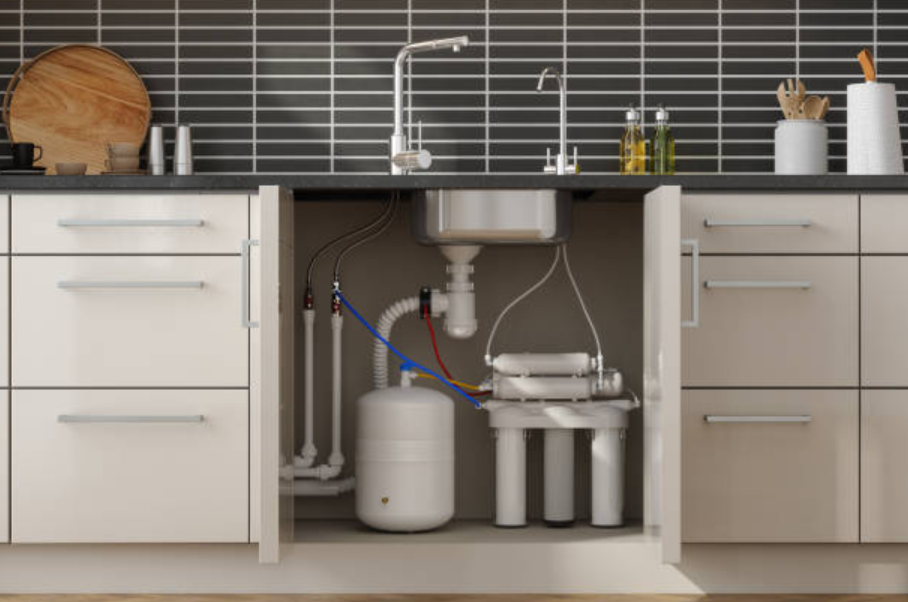
For households with limited kitchen space, an under-sink system is a practical alternative to bulky benchtop equipment. The main filtration unit sits inside the cabinet beneath the sink, leaving the benchtop free for cooking, food preparation, and other daily activities.
Unlike portable filters, these systems connect directly to the household water supply and deliver filtered water through a compatible drinking-water outlet. Depending on the design, some models use the existing tap connection, while others require a separate filtered-water tap.
For Melbourne apartments, small townhouses, and compact kitchens, this arrangement gives convenient access to filtered drinking water without adding another appliance to the bench. However, the available cabinet space, plumbing layout, and required filtration capacity should always be checked before installation.
Why Small Melbourne Homes Need a Different Approach to Water Filtration
Choosing a filtration system for a small property is different from choosing one for a larger family home. A large kitchen may have room for a separate filtration setup and extra plumbing. In a small apartment or townhouse, every corner of the kitchen already has a job to do.
Limited Kitchen Space Changes What You Can Install
In many small Melbourne homes, the space under the kitchen sink is already taken up by rubbish bins, cleaning products, pipes, and storage. Fitting a conventional filtration unit into that space can make everyday kitchen tasks less convenient.
Compact filters are designed to work around these limits. Depending on the model, a unit may sit under the sink, attach to the tap, or stand on the benchtop. This flexibility lets you install a filter in kitchens where a standard model would not fit.
That said, a compact design does not guarantee a fit in every kitchen. Measure the width, height, and depth of the available space, and allow for the cartridges and for access to the connections for servicing.
Apartment Plumbing Can Restrict Installation Choices
Older apartments and townhouses may have plumbing arrangements that limit which filtration systems can be used. Some under-sink models need a dedicated connection, while others need a separate drinking-water tap or additional fittings.
Renters may also need landlord approval before making permanent plumbing changes. Even owners should confirm the plumbing connections match the system they plan to buy. In Victoria, any filter connected to household plumbing supply lines should be installed by a licensed plumber.
If permanent plumbing changes are not an option, a tap-mounted or benchtop filter can be a more convenient choice. Check the installation requirements before you buy a compact model.
Read More: Apartment Water Softener System
Understanding Melbourne Tap Water Before Choosing a Compact Filter
Melbourne’s drinking water comes from protected catchments, reservoirs, and treatment plants. Tap water taste and character can vary by supply region, treatment method, and each home’s plumbing.
Understanding these factors helps residents choose a filter that fits their needs rather than buying features they don’t require.
Why Tap Water Can Have a Noticeable Chlorine Taste
Water suppliers disinfect drinking water to keep it free of harmful bacteria as it travels through the distribution network. Chlorine is one of the most commonly used disinfectants.
Chlorine is essential for safe drinking water, but some people notice a mild chemical taste or smell, which can make tap water less appealing. An activated carbon filter can effectively reduce chlorine taste and odor, provided the specific cartridge has been tested for that purpose. For a small household mainly concerned about taste, a carbon filter can be a good solution without a complicated setup.
Chloramine: An Important Detail When Selecting a Filter
Some Australian water supplies use chloramine, a disinfectant formed by combining chlorine and ammonia. Chloramine remains active in the water for longer, which helps maintain disinfection across the network, and it can also affect taste and smell.
Chloramine does not behave like free chlorine. Standard carbon filters that perform well against chlorine may not reduce chloramine as much, so a filter marketed for chlorine reduction does not automatically handle chloramine. Catalytic carbon media is designed for this purpose.
If chloramine reduction matters to you, check whether the specific filter has a verified chloramine-reduction claim. Your water authority’s annual water quality report will confirm which disinfectant is used in your area.
Minerals and Plumbing Can Also Influence Water Taste
Water naturally contains minerals such as calcium and magnesium, which can influence taste and contribute to water hardness. Minerals do not indicate a problem.
The plumbing inside the home also affects the water reaching the tap. Old pipes, fittings, recent plumbing work, and poorly maintained taps can all introduce unusual flavors.
If your water suddenly develops a metallic, chemical, or otherwise unusual taste, find the cause before buying a filter. A filtration system should not be treated as a quick fix for an underlying plumbing or water quality issue.
Different Types of Compact Under-Sink Water Filtration Systems
Under-sink systems come in several designs, each with different filtration technology and treatment levels. Understanding your options helps you choose a system that fits your kitchen space and water needs.
Single-Stage Under-Sink Carbon Filters
Single-stage systems usually pass water through one activated carbon cartridge designed to reduce selected substances, particularly chlorine taste and odor. Their simple design suits households that mainly want better-tasting drinking water.
They generally need less equipment under the sink than more complex systems. However, performance depends on the specific cartridge, so check whether it has been tested for the substances you want to reduce.
Multi-Stage Under-Sink Filtration Systems
Multi-stage systems use two or more filtration stages to address different concerns. One stage may reduce sediment, for example, while another uses activated carbon to address chlorine taste and selected chemical compounds.
Some models include additional media for specific treatment purposes. Performance depends on the technology and product specifications, so more stages do not automatically mean better filtration.
Compact Under-Sink Reverse Osmosis Systems
Compact reverse osmosis systems use a specialized membrane to reduce a range of dissolved substances. They suit households with treatment needs beyond basic taste improvement.
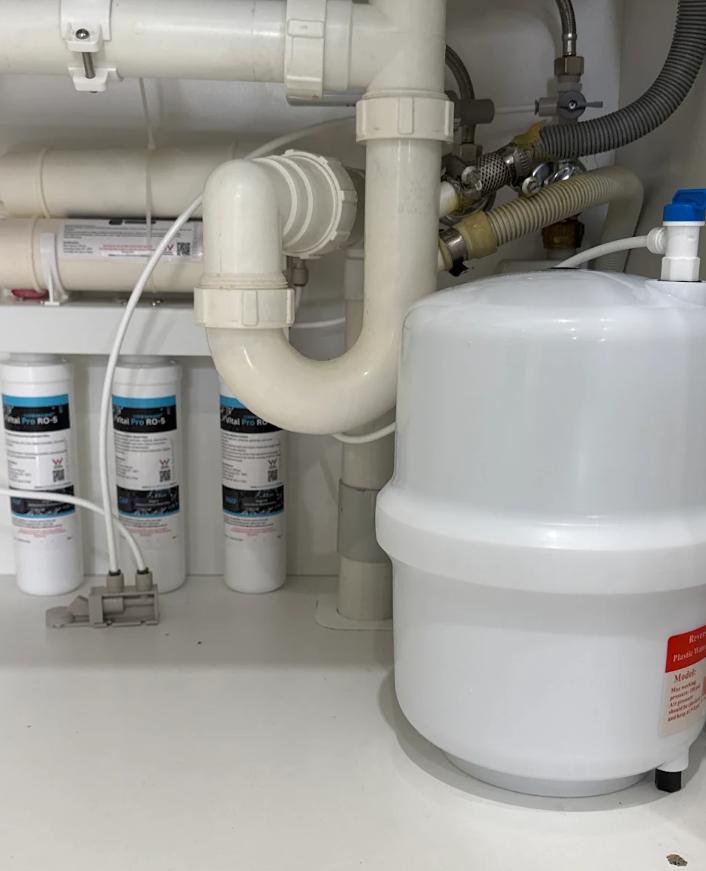
These systems can require extra components, a drain connection, and more maintenance. Some models need space for a storage tank, while tankless versions have different space and operating requirements.
Tankless Under-Sink Filters for Limited Cabinet Space
Tankless systems deliver filtered water without a separate tank, which can free up cabinet space in smaller Melbourne kitchens.
Before choosing one, check its dimensions, flow capacity, operating pressure, and cartridge replacement requirements. A tankless design can save space, but it still needs room for connections and maintenance access.
How to Choose the Right Compact Water Filtration System for Your Home
The right system balances effective filtration, available space, and how your household actually uses water. A small unit may fit your kitchen, but it must also meet your water treatment needs.
Match Filtration Capacity with Daily Water Consumption
A single-person apartment needs less filtered water than a household of three or four. Check the system’s daily capacity and cartridge lifespan before you buy. A filter that is too small for regular household use will need frequent replacement and quickly become inconvenient.
Look for Verified Filtration Performance
Do not rely on advertising phrases such as “advanced purification” or “premium filtration.” Check which substances the system is designed to reduce and whether its performance has been independently tested.
Relevant NSF/ANSI standards can help when comparing products. For example, NSF/ANSI 42 covers chlorine taste and odor, NSF/ANSI 53 covers health-related contaminants, and NSF/ANSI 58 covers reverse osmosis systems. Certification applies to specific performance claims, not to every possible contaminant, so reading the product documentation carefully is more useful than choosing by brand popularity.
Best Water Filtration Supplier In Melbourne.
Consider Water Pressure and Tap Compatibility
Some systems need a particular operating pressure to work properly. Others need compatible tap connections or additional fittings. Check these requirements before purchasing, especially in older Melbourne properties where plumbing arrangements can differ.
Space-Saving Installation Ideas for Compact Melbourne Kitchens
Make the Most of the Space Under the Sink
An under-sink installation keeps the filtration system out of sight. Before installing, reorganize cleaning supplies and storage items to leave enough room for the filter, the pipework, and future cartridge changes.
Keep Your Benchtops Clear of Unnecessary Equipment
If bench space is tight, choose an under-sink unit over a benchtop one. Renters and homes where plumbing cannot be modified can use a tap-mounted filter instead.
Use Professional Installation When Needed
Professional installation helps prevent leaks, incorrect connections, and plumbing complications. This is especially important for reverse osmosis systems and units that need additional fittings. Always get permission before making permanent changes in a rental home.
Understanding the Cost of Compact Water Filtration
Calculate the Initial Purchase and Installation Costs
The purchase price is only part of the total cost. Some compact systems are straightforward to install, while others need a plumber and plumbing adjustments.
Budget for Future Filter Replacements
Cartridges must be replaced according to their capacity and the manufacturer’s instructions. Compare cartridge prices and availability before buying a system. A cheaper model can cost more if its cartridges are hard to find or need frequent replacement.
Weigh Up the Long-Term Benefits
A good system can reduce or eliminate the need to keep buying bottled water. However, overall savings depend on how much water your household uses, cartridge cost, and maintenance. Compare these costs directly rather than assuming every filtration system will save money.
Maintaining Compact Water Filtration Systems in Small Homes
Follow the Recommended Cartridge Replacement Schedule
Timely cartridge replacement is essential for maintaining filter performance. Follow the manufacturer’s recommendations, adjusted for your household’s water usage. Late replacement can reduce both filtration performance and taste.
Check for Leaks and Changes in Water Flow
Inspect connections under the sink regularly. A noticeable change in flow rate, an unpleasant taste, or any sign of a leak may mean the unit needs servicing. If routine maintenance does not resolve the issue, contact a professional.
Keep the Area Clean and Accessible
Avoid overcrowding the cabinet that houses the filtration unit. Easy access makes inspecting, cleaning, and replacing cartridges much simpler. Follow the manufacturer’s cleaning instructions and avoid using inappropriate cleaning products.
Common Mistakes to Avoid When Buying Compact Water Filtration
- Choosing on size alone: A smaller filter may not provide the filtration performance or capacity your household needs.
- Overlooking chloramine: A filter designed for free chlorine may not reduce chloramine effectively.
- Ignoring maintenance costs: Replacement cartridges and servicing should be part of the buying decision.
- Assuming all filters remove PFAS: Only buy a product whose PFAS-reduction claims can be verified.
- Overlooking installation limits: Check cabinet measurements, plumbing compatibility, and rental permissions before purchasing.
Frequently Asked Questions
Will an under-sink filter fit in a small apartment kitchen?
In most cases, yes. Compact and tankless models are designed for limited cabinet space, but you should measure the available width, height, and depth, and allow room to change cartridges.
Can I install an under-sink filter in a rental property in Victoria?
Possibly, but permanent plumbing changes require written landlord approval and installation by a licensed plumber. If approval is not possible, a tap-mounted or benchtop filter avoids plumbing changes altogether.
How often do compact filter cartridges need replacing?
Most carbon cartridges need replacing every 6 to 12 months, depending on usage and water quality. Reverse osmosis membranes generally last 2 to 3 years. Always follow the manufacturer’s schedule.
Do I need a reverse osmosis system for Melbourne tap water?
Not usually. Melbourne tap water is safe to drink, and for most households a quality carbon filter is enough to improve taste and odour. Reverse osmosis suits households with specific concerns, such as lead from older plumbing or PFAS near known contamination sites.
Conclusion
A small kitchen should not mean compromising on drinking water quality. A well-chosen compact filtration system is a practical answer for Melbourne apartments, townhouses, and smaller homes. By matching the system to your space, daily water use, and real water quality concerns, you can enjoy better-tasting, more reliable drinking water without unnecessary complexity.