_edited_9.png)
Table of Contents

Clean water is something most Australians take for granted, until something goes wrong. Whether it’s the taste of chlorine in a glass of tap water, a news story about aging pipes leaching lead, or growing concerns about microplastics, more Australian households are asking a simple question: Is my tap water actually as clean as it could be?
Home water filtration systems have become one of the most practical and cost-effective upgrades available to Australian households. From compact under-sink filters to whole-house reverse osmosis systems, the options in 2025 are better, more affordable, and more accessible than ever before. This guide covers everything you need to know, how these systems work, what they remove, which type suits your household, and why investing in one makes sense for your health, your wallet, and the environment.
What is Home Water Filtration?
Home water filtration enhances your tap water quality by removing impurities and harmful pollutants, helping Australian families feel safer and more confident about their health and the environment.
A home water filtration system offers options such as reverse osmosis filters, carbon filters, UV purifiers, and whole-home systems, giving you control and confidence in choosing the best solution for your household needs.
Why is Home Water Filtration Essential for Australian Households
Australia’s water quality varies across cities, suburbs, and streets, so understanding your local water conditions is key to feeling empowered and making informed choices about home filtration in 2025.
1. Protection Against Contaminants in Tap Water
Tap water in many Australian cities can contain chemicals such as chlorine, lead, and microplastics, which home filters can effectively remove to provide safer drinking water.
Agricultural regions across Queensland, New South Wales, and Victoria have recorded measurable levels of pesticides and nitrates in local water sources linked to agricultural runoff. In older urban areas, aging pipes remain a risk for lead contamination. Home filtration provides a reliable household-level defense against these localized issues that municipal treatment alone cannot always address.
2. Improving Water Taste and Smell
Even though tap water is treated to be safe to drink, many complain about its taste and odor. Chlorine, a common disinfectant in water treatment facilities, is often the culprit behind unpleasant tastes or smells. The taste of every glass of water can be greatly improved with a home water filtration system; even tap water will be refreshing and free of any chemical taste.
Chlorine removal aside, water from some parts of Australia tastes very mineral-rich, particularly if you have hard water. These minerals can reduce the overall quality of the water you drink or use for food. Still, a water purification system in your home can help remove these minerals and even reduce the water’s smell, making it more palatable to drink and cook with.
3. Safeguarding Health and Well-being
Drinking poisonous water can have several consequences over time, including digestive issues, kidney diseases, and even cancer, among others. As concerns grow about contaminants such as lead, asbestos, and pharmaceutical residues, a home water filtration system provides an additional layer of protection for your family’s health. It guarantees that the water you drink is free of impurities so that you can have peace of mind.
Australia is certainly no stranger to water contamination problems. Water supplies can be affected by natural disasters such as bushfires, floods, and droughts, which may increase contamination from bacteria, viruses, and other substances. And older plumbing systems in some places can leach lead into the water supply. With a whole-home water filtration system, you can be confident that your water is free of dangerous chemicals that can cause lasting health problems.
4. Saving Money in the Long Run
Purchasing bottles of water is a recurring expense, and it accumulates over time. A home water filtration system is more affordable than buying bottled water. Instead of buying bottled water all the time, you can filter tap water, saving Money and reducing plastic waste. This makes home water filtration both an environmentally responsible and financially sensible long-term choice.
Australian households that rely regularly on bottled water can spend several hundred dollars per year on average, with costs rising significantly for larger families. The Australian Bureau of Statistics has noted bottled water as one of the consistent discretionary spending categories for urban households. A quality home filtration system, by contrast, typically costs between $50 and $150 annually in filter replacements after the initial setup.
5. Climate Events and Water Quality Disruption
Australia’s increasingly extreme weather events directly affect drinking water quality. Bushfires burn through catchment areas, releasing ash, heavy metals, and sediment into water sources. Flooding can overwhelm stormwater systems and introduce bacteria and agricultural chemicals into municipal supplies. Prolonged drought concentrates dissolved solids, increasing the risk of algal blooms in reservoirs.
During and after these events, even well-managed water authorities may temporarily struggle to maintain standard quality levels. A home filtration system provides an important additional layer of protection during these periods, ensuring your household water remains safe regardless of what is happening upstream.
How Does Home Water Filtration Work?
It is important to understand how home water filtration systems work to select the right one for you. Various filtration systems are available to meet different requirements.
Reverse Osmosis Systems
RO is one of the best and most effective methods of water filtration. It is effective because it uses a semi-permeable membrane to purify water. It filters out impurities such as heavy metals, salts, and microorganisms, producing clean water. Home reverse osmosis water filter systems are particularly suited for hard water areas and for water with a high concentration of pollutants.
Reverse osmosis does this by sending water through a membrane that blocks all particles except for water molecules, which are collected on the other side while contaminants are left behind. Through this process, more than 99% of dissolved solids, heavy metals, salts, chlorine, fluoride, and even some viruses and bacteria can be eliminated. A RO home water filter is excellent for homes that have water quality issues, providing delicious drinking water.
Activated Carbon Filters
One of the most popular types of home water filtration systems is the activated carbon filter. Activated carbon filters use elemental carbon to adsorb impurities, including chlorine, volatile organic compounds (VOCs), and pesticides, from your water supply. Carbon is great at removing bad taste and odors from water, so carbon filters are perfect for households that want a complete drinking water experience.
Activated carbon removes some particles and chemicals through adsorption, a filtration technique, and is a great way to improve water clarity and taste. These filters are highly effective at removing chlorine, chemicals, and odors from your home’s water supply.
Ultraviolet (UV) Purifiers
UV purifiers irradiate water with ultraviolet light to disinfect it by destroying bacteria, viruses, and other microorganisms. While UV filtering doesn’t help with chemical contaminants, it does a great job of killing germs. Home water filtration systems that incorporate UV purifiers with other types of filters provide complete coverage.
UV purifiers work well in environments where the risk of waterborne illness or potentially harmful microorganisms is high. UV light inactivates the DNA of microorganisms in drinking water, preventing them from reproducing and making it safe to consume and use.
Whole-House Filtration Systems
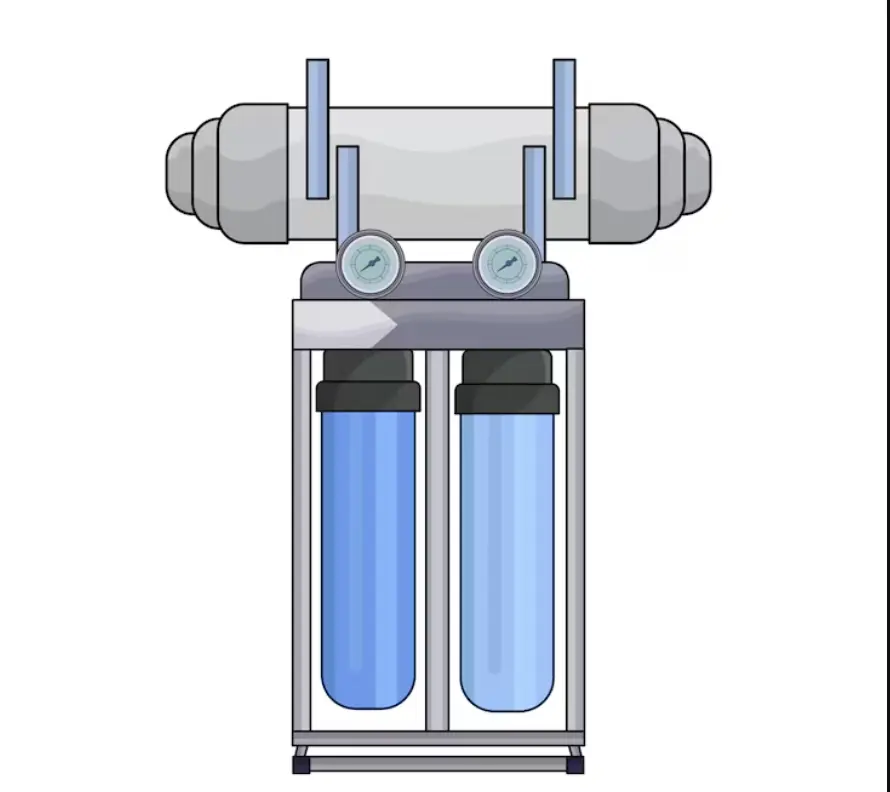
Whole-house filtration systems filter all the water you use in your house. These systems filter impurities, such as chlorine, sediment, and rust, from all of the water you use, not just the water you drink. Investing in a whole-house water filtration system will provide you with clean water for drinking, bathing, and cooking so that everyone can enjoy cleaner, less contaminated water.
Typically, such systems involve a series of filtration stages, each targeting different contaminants. Whole-house systems are great for bigger houses and families that use a lot of water, as they provide purified water from every faucet.
Benefits of Installing a Home Water Filtration System in Australia
There are many reasons to install a home water filtration system, and they go beyond improved water quality. Let’s explore the multiple advantages:
Health Benefits
Consistent access to filtered water reduces cumulative exposure to low-level chemical contaminants that, while within legal limits individually, may accumulate in the body over years of daily consumption. This is particularly relevant for households with young children, pregnant women, elderly residents, or anyone with a compromised immune system, groups that are more vulnerable to the effects of even trace contaminants in drinking water.
Waterborne diseases, which can cause gastrointestinal illness and other health issues, are a problem in many areas of Australia, particularly during natural disasters or when water infrastructure breaks down. A residential water filtration system can help prevent these problems by ensuring clean water for your property.
Environmental Impact
Reducing plastic waste is one of the most important environmental benefits these home water filters offer. When you transition from bottled water to filtered tap water, you’re helping reduce the need for plastic bottles and the resulting plastic waste!
The problem of plastic waste is huge in Australia, with millions of plastic bottles thrown away each year. When you choose home water filtration systems, you’re no longer dependent on single-use plastic bottles, which is better for the planet.
Better Skin and Hair Care
Bathing and showering in unfiltered water might irritate your skin and hair, as you’re still soaking in chlorine and other chemicals. A whole-house water filter can help remove these contaminants, which promotes healthier skin and hair.
Chlorine in tap water can dehydrate your skin and hair, leaving them dry, dull, and damaged. You can remedy these issues by installing a home water filter that removes chlorine, improving the quality of your grooming and bathing, and resulting in healthier, softer skin and hair.
Protecting Appliances and Plumbing
Hard water can leave behind scale in pipes and appliances such as water heaters, washing machines, and dishwashers. The accumulation can diminish the effectiveness and longevity of the appliances in question.
Hard water’s calcium and magnesium can build up in pipes and appliances, leading to clogs, slower flow, and wear and tear to machines. A Whole House Water Filtration system that softens the water, can protect against such problems, and extend the life of your plumbing and appliances beyond their expected lifetime.
Choosing the Right Home Water Filtration System for Your Household
With so many different Home water filtration systems, finding the right one for you can be confusing. Here are a few things to consider when choosing a filtration system:
Water Quality in Your Area
Water quality varies noticeably across Australian cities. Sydney’s water is soft and sourced from protected Blue Mountains catchments, generally rating well for taste. Melbourne’s supply is similarly low in minerals and soft. Brisbane and Perth tend to have harder water with higher calcium and magnesium content, making water softening a worthwhile addition. Adelaide is frequently cited for higher chlorine levels and occasional taste issues. Darwin and regional Queensland communities can face additional challenges, including higher sediment levels and increased bacterial risk during wet-season events. Knowing your city’s water profile before purchasing ensures you select a system that targets the right contaminants.
You need to know the impurities in your local drinking water to ensure you get the best home water filtration system. You may get a water quality report from your local water authority, or, at times, have your water tested by professionals.
Filtration Needs
Think about the filtration needs of your home. And if all you need is a basic filter to improve the taste and smell of your water, an activated carbon filter should be enough. But if you’re worried about heavy metals or bacteria, you might want something more advanced, say reverse osmosis or UV purification.
Budget and Installation Costs
The cost of a home water filtration system can vary, but remember also to consider installation and maintenance costs. Installation can be professionally done, or you can install some systems yourself. Also factor in ongoing running costs to maintain your system’s performance over the long term.
System Capacity and Size
Be sure to select a home water filtration system that fits your household. If you have a large family, you’ll need a system with greater capacity to accommodate the higher demand.
Conclusion:
Clean, safe water is not a luxury; it is a daily necessity for every Australian household. While municipal water Treatment does an impressive job, it was never designed to account for aging household plumbing, localized contamination, or the increasingly complex mix of chemicals now present in source water.
A home water filtration system closes that gap. It protects your family’s health, improves the taste of everything you drink and cook, reduces your reliance on plastic bottles, and safeguards your appliances from the long-term effects of hard water. The upfront investment is modest compared to the cumulative costs of bottled water and the potential health costs of long-term exposure to contaminants.
In 2026, with Australian water quality facing new pressures from climate events, aging infrastructure, and emerging contaminants, a home filtration system is no longer just a nice-to-have. For most households, it is simply the smart choice.