_edited_9.png)
Table of Contents
INTRODUCTION:

We discuss the 5 signs your tap water needs filtration in this blog. In Australia, tap water is safe to drink; however, many factors can affect its taste, smell, and appearance. At some point, some kinds of impurities are going to slip into our water supply, whether they’re flowing in from ancient pipelines, they’re coming in courtesy of environmental factors, or they’re just hitchhiking along local water treatment protocols.
While Australian water is held to strict quality control standards, that does not mean you should take a chance on water contamination. Check out some of the signs your tap water might need a filter below.
1. Unpleasant Odors in Your Tap Water
The most obvious indication that you need to filter your tap water is if it smells. Recognizing these signs helps you feel more confident in understanding potential issues and taking steps to improve your water quality.
Why Does Tap Water Smell?
There are several reasons your tap water might smell. Let’s break it down:
Chlorine Odor: Chlorine is a disinfectant commonly used in cities’ water systems. While chlorine is required for the extermination of harmful bacteria and microorganisms, it can also make your water smell strongly of chemicals. Urban areas that utilize centralized water Treatment and supply often have significant levels of chlorine.
Musty or Earthy Smell: When the water smells like dirt, organic matter, or algae, bacteria are typically at work. This is one of the most frequent smells associated with older plumbing or reservoir areas.
Sulfur/Rotten Egg Smell: Rotten egg odor in water is generally due to hydrogen sulfide gas produced by bacteria that break down organic matter in the water or the plumbing system. This tends to happen more often with old pipes or when the water comes from a deep underground well.
How Filtration Can Help
Types of water filters. Specifically, activated carbon filters are very effective at removing chlorine and its odor from water. If you find you smell must or earth and want to get rid of it, you can get a carbon filter or one that addresses organic smells. If you think your water smells like rotten eggs, installing a filter that removes hydrogen sulfide can help.
Indications You Need Water Filtering:
- Chlorine-like or chemical smells.
- Musty, earthy odors.
- Rotten egg or sulfur smells.
2. Cloudy or Discolored Water
Another unmistakable sign that your water could benefit from filtration is cloudy or discolored tap water. Tap water ought to be clear, devoid of visible particles. If you notice your water is cloudy or has a brown, yellow, or rust-colored tint, it may be a sign that your water supply has been contaminated or that it is high in minerals and sediment.
Why does tap water become cloudy or colored?
Cloudy Water (Turbidity): Water may appear cloudy due to small air bubbles. These bubbles generally disappear within a few minutes. But your water could still be cloudy due to suspended particles, such as dirt, silt, or other minerals.
Rusty/Brown Water: If the water appears reddish-brown or rusty, it may be due to iron in the water. Iron can build up in the water supply over time, especially if you have older pipes or plumbing that has begun to corrode.
Yellow or Green Water: This is another issue that sometimes occurs in homes with water high in minerals, especially copper or manganese, which can seep out of old plumbing.
How Filtration Can Help
In order to solve cloudy water, you need to have a filter that can handle dirty solid To address cloudy or discolored water, using a filter capable of removing dirt, sediment, and minerals can prevent further issues, giving you peace of mind about your water quality.
When You Should Filter Your Water:
- Persistent cloudiness or turbidity
- Brown, yellow, or reddish discoloration
- Stains on the sink, tub, or laundry
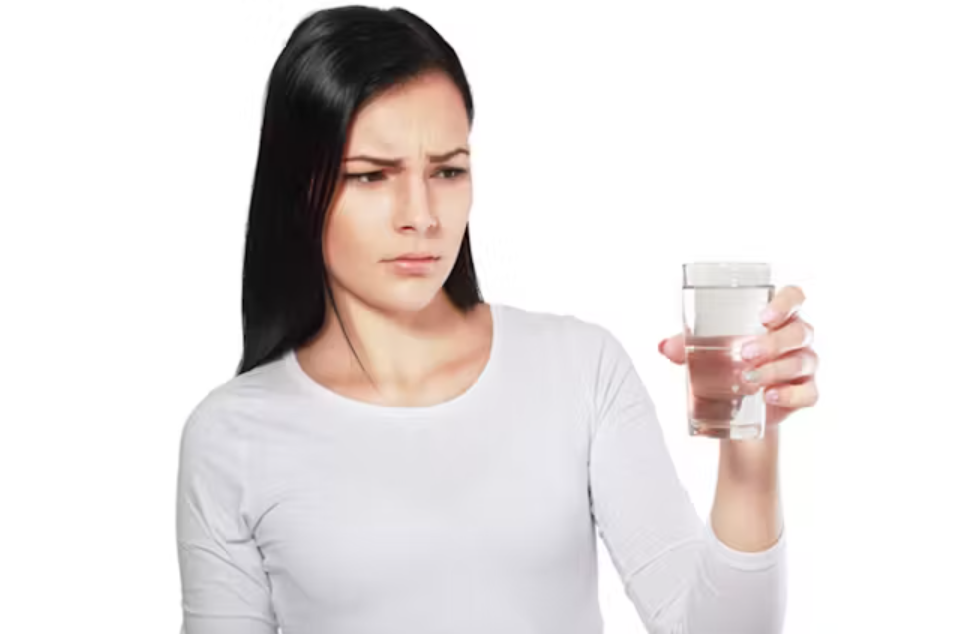
3. Changes in Taste
Another hint that there’s a problem with your tap water may be the taste it leaves in your mouth. Good tap water should taste neutral and not leave an aftertaste. If you’re experiencing a metallic, salty, or chemical-treated aftertaste in your water, it’s probably best to invest in a filtration system to reduce, if not eliminate, this problem!
Why Does Tap Water Taste Weird?
Chlorine Taste: The most common culprit of tap water bitterness, however, is chlorine. Water supplies are treated with chlorine to kill dangerous bacteria. Despite doing a good job of keeping your water clean, it often imparts a harsh, chemical-like flavor that most folks find rather unpleasant.
Metallic Flavor: A metallic or bitter taste in tap water can indicate that your home’s water contains dissolved iron, copper, or zinc. These metals can leach into water from old pipes, especially in homes with aging plumbing.
Salty: The salty taste of water means that it probably has a high level of sodium or other minerals. This frequently happens in locations with naturally brackish water supplies or where salt is added to water for treatment.
How Filtration Can Help
A carbon filter can also help improve the taste of your tap water by removing chlorine and other chemicals. If your water has a metallic taste, consider investing in a filtration system that removes heavy metals, such as a reverse osmosis filter, to improve its taste. And if your water has a salty taste, a specialized filter that focuses on sodium and other minerals may help.
Signs You Should Filter Your Water:
- Metallic, salty, chemical-like taste
- Chlorine-like flavor
- Unpleasant aftertaste
4. Increased Hardness of Your Tap Water
Hard water is an issue many areas in Australia face, particularly in the countryside or regions that rely on groundwater. Hard water has a high mineral content, including calcium and magnesium. Hard water poses no threat to health, but it can be a nuisance in your home: think scaling in your pipes, soap that won’t lather, and irritated skin, to name a few.
Why Is Hard Water a Problem?
Mineral Scales: Hard Water contains minerals, including calcium and magnesium, that can leave mineral scales on dishwasher, washing machine, and kettle surfaces. In the long run, this can make these appliances less efficient and shorter-lived.
Dry Skin and Hair: Dry skin and hair may also be due to hard water, which leaves a mineral layer on the skin and hair. It can leave your skin feeling tight and irritated, and your hair can also turn dry or lifeless.
Poor Soap Lathering: Soap lathers poorly because hard water prevents it from forming a rich lather. This leaves your dishes, clothes, and even your bathtub with unappetizing soap scum buildup that can be challenging to remove.
How Filtration Can Help
Installing a water softener/filtration system (one that reduces minerals) can greatly enhance the quality of your water. Water conditioners remove calcium and magnesium Ions, which soften the water and help prevent scale buildup. This will help you preserve the condition of your plumbing and appliances, as well as enhance the feel of your skin and hair.
Signs You Should Filter Your Water:
- Soap scum residue on dishes or in shower heads.
- Dry skin and hair are dry after a shower.
- Limescale buildup in appliances.
5. Unexplained Skin or Hair Irritation
Irritated skin and hair can be another indication of hard water in your unfiltered tap water. If you find that your skin is dry and itchy after you shower, or that your hair is brittle and damaged, you may be dealing with pollutants in your tap water.
How Does Tap Water Affect Skin and Hair?
Chlorine Irritation: Chlorine in tap water can be hard on hair and skin, causing damage and stripping moisture and natural oils. This can result in dry, irritated, and inflamed skin. Extended exposure can exacerbate those problems, especially among people with sensitive skin.
Rough Water and Dryness: Hard water is one more enemy. The minerals in hard water can clog pores, leading to skin problems such as acne, eczema, or irritation. If your hair is exposed to hard water, dryness, breakage, or dullness, it may be to blame.
How Filtration Can Help
First, how about a filter that removes chlorine and other nasties? Another benefit of a water softener system is removing the mineral buildup in hard water, which can leave your skin and hair feeling dry and itchy. A filter that addresses both chlorine and hard water minerals can help prevent your skin from feeling dry and tight and keep your hair from becoming dull and brittle.
Signs You Should Filter Your Water:
- Dry, itchy skin after showering.
- Irritated scalp or dandruff.
- Brittle or dull hair.
Ways to Care for Your Water Filter System for Best Results
Your water filter system will only continue to do its job if it is maintained regularly. To keep your system running optimally, consider these easy ways to get the most out of it:
Change Your Filters on Schedule: Depending on type and usage, most filtration systems need their filters replaced every few months. Replace as recommended by the maker for best results.
Clean the System: Depending on regional differences, you may need to clean it to remove sediment, bacteria, or mold. For instance, UV filters need to be kept clean for good light transmission, and RO systems need to be cleaned to prevent membrane fouling.
Monitor Water: If you notice a drop in water pressure or flow, your filter or system may need maintenance. Low pressure may indicate clogged filters or membranes.
Look for Leaks or Damage: Periodically check your filtration system for visible leaks or damage, especially if you have a whole-house filtration system. If water damage or system efficiency is of concern, don’t hesitate to address them as soon as possible.
If you maintain and clean your filtration system regularly, you can extend its lifespan and enjoy high-quality, clean water at all times.
Conclusion
In the end, the quality of your tap water affects you all, health-wise and convenience-wise. If you’re suffering from any of the symptoms in this article, it may be time to think about a water filtration system. From bad odor and cloudiness to taste changes and skin irritation, filter-based systems can stand between you and these nuisances and provide cleaner tap water.
Remember, despite it being typically safe, Australian tap water, in particular, can sometimes be harsh. Hence, it’s a good idea to have a filtration system in your house that’s right for you. Solutions to these common problems will help provide you with clean, fresh, and healthy water right at home.
If you spot any of the signs mentioned in this blog, don’t let them go unattended. Install a filtration system to ensure your tap water is as clean, clear, and safe as possible. We discuss the 5 signs your tap water needs filtration in this blog. In Australia, tap water is safe to drink; however, many factors can affect its taste, smell, and appearance.
At some point, some kinds of impurities are going to slip into our water supply, whether they’re flowing in from ancient pipelines, they’re coming in courtesy of environmental factors, or they’re just hitchhiking along local water treatment protocols. While Australian water is held to strict quality control standards, that does not mean you should take a chance on water contamination. Check out some of the signs your tap water might need a filter below.

You can Also Read This: Shocking 8 Signs Your Water Filter System Needs Replacing
You can Also Read This: The Importance of Water Filtration Systems in Australia