_edited_9.png)
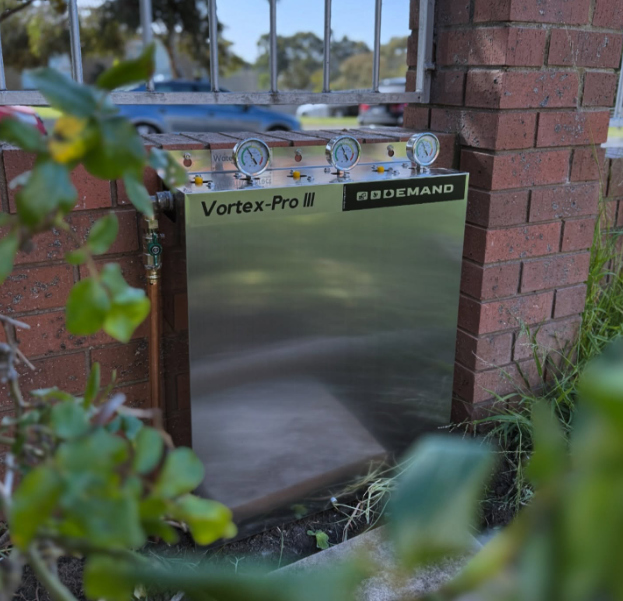
Table of Contents
INTRODUCTION:
Whole-house water filtration systems are often marketed as a one-stop-shop solution for water quality improvement. This blog will discuss why these types of systems may not be suitable for all homes and encourage homeowners to think critically about whether this option is best for their needs.
In Australia, households are diverse, with considerable variation between water quality and plumbing design; family size, income, and lifestyle also make each home unique. Due to this diversity, what works well in one home may not be suitable for another, given the different needs of each household.
This article will offer a practical guide for homeowners to help them better understand the capabilities and limitations of whole-house filtration systems, what trade-offs to consider before making a decision, realistic expectations of performance, and other things to consider when choosing a water filtration system for their home.
Understanding Whole House Water Filtration Systems
A whole-house water filtration system filters all of the incoming water to your house at one location, generally at the point where your municipal/town water and your house connect. Essentially, all the water from taps, showers, appliances, outdoor hose pipes, and other sources will be filtered by just one of these systems. Although being a single point of filtration is still convenient, it creates many complexities that lead to the negatives of a whole-house water filter, particularly if not selected or maintained correctly.
In addition, a typical whole-house water filter must be able to handle very large volumes of water during peak usage times without diminishing either flow rate or pressure to the home’s plumbing system. As the demand for filtered water increases, the filtering media used will deplete more quickly than expected, and, therefore, how well a whole-house filtration system works depends greatly on the initial design size and continual maintenance of the filtration media.
Another major consideration is the quality of municipal water used within Australia. Because of geographical variations, sediment levels in municipal water can vary greatly; chlorine concentrations are elevated in many areas; and, as in many older suburbs of larger cities, the municipal piping system has been in operation for many years; thus, a typical whole-house unit may effectively filter municipal water sources for some areas and not for others. Therefore, having a whole-house filtration system designed for you is important to ensure that the system you purchase meets your specific needs.
Higher Initial Installation Costs of Whole House Water Filters
The initial cost of a whole-house water filter is one of the biggest drawbacks for Australian homeowners. Compared to benchtop or under-sink filters, benchtop and under-sink filters require little to no installation effort, while whole-house filters require a professional installer to perform technical planning and make permanent plumbing changes to the existing plumbing system.
The installation of whole-house water filters incurs additional costs due to the fact that the unit must be installed on the main water supply line without disrupting the distribution of water to the rest of the house. Therefore, before the unit can be installed, a professional must adequately assess the size of the existing water pipes, the amount of pressure in the pipes, and the flow rate of the pipes.
A secondary consideration is the installer’s expertise. The installer must be a professional who has received appropriate training to ensure proper placement of the system, proper installation of the bypass valve, and access for future service. Any errors made during installation can result in leaks, reduced pressure, and/or inconsistent filtration performance throughout the home.
For homeowners who have limited budgets or who are unsure about their long-term residential plans, these upfront costs can often outweigh the perceived benefits of installing a whole-house water filter, creating a substantial barrier to installation.
Ongoing Maintenance Demands of Whole House Water Filters
During the decision-making process, many will overlook the maintenance costs of a whole house water filtration system. However, maintenance will have the greatest impact on the life cycle of your water filtration system. The reason maintenance is so critical to the functionality of these systems is that they are filtering absolutely everything that goes into your home.
As the filters work, they will accumulate sediment, chlorine, and all types of organic matter. Once they have absorbed as much as they can, they will no longer effectively filter out particulates. If you do not replace your filter before it becomes fully saturated, contaminants will bypass the filter and flow into your home.
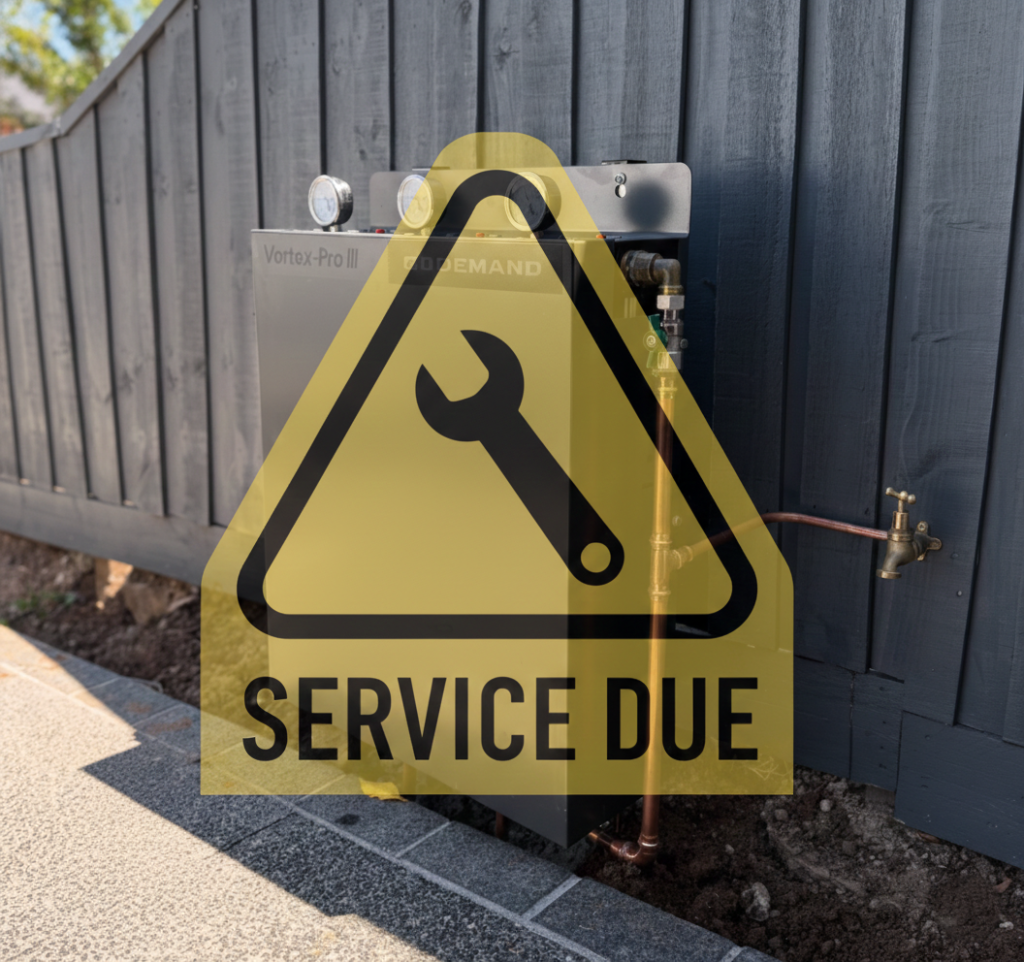
In addition to changing your filters, it is imperative that you check your filter housings, seals, and pressure settings regularly. Neglecting something as simple as a worn O-ring or checking for pressure imbalances can create larger issues, such as leaks or damage to your plumbing system.
For individuals seeking a low-effort solution, these ongoing demands may feel restrictive rather than convenient.
Potential Water Pressure Reduction of Whole House Water Filters
Issues with the water pressure represent a significant practicality and significant inconvenience for busy households throughout Australia. Typically, a homeowner may anticipate a slight loss of pressure following installation; however, as the system continues to function under normal daily use over time, the true impact on water pressure becomes greater.
Whole Home Filtration Systems rely on varied materials to filter out foreign substances such as sediments, rusty metals, etc. When sediment, rusty metals, and other particles build up in the filtration media, additional resistance to the water flow develops in the system, which decreases the flow velocity of the incoming water, causing decreased strength in showering, slower filling of appliances, and less pressure at outdoor taps, etc.
With multiple bathrooms, rain showers, or simultaneous use, pressure volatility becomes an even more evident problem. Even well-designed and installed systems may provide an excessive amount of resistance if the owners do not maintain regular maintenance schedules or if the owners sized the system incorrectly when installed.
Reasons for developing pressure problems in Whole House Water Filters
- Filtration media blockage: Over an extended time period, the collection of dirt and debris creates a narrow area for water to flow freely.
- Improper system size: When the size of a system is not large enough based on the demand of what the household uses, it does not have enough capacity to deliver a sufficient amount of flow when the demand is at its highest.
- Late maintenance: Older or partially saturated filters create extra resistance inside the system and result in a decrease in the overall performance.
For households that value strong, consistent water pressure, this disadvantage must be carefully weighed before choosing a whole-house system.
Why Whole House Water Filters Are Not Necessary for Every Household
One of the biggest drawbacks of whole house water filter systems is that they are not needed by all families, and most of us in Australia live in locations where our municipal government supplies our water to us with strict safety and quality regulations. Therefore, depending on your lifestyle, there may be no need for the expense of a complete home filtering system.
For some families, a whole-house unit could be viewed as an oversized product used to address limited concerns.
It is important to understand that there are situations where a whole house filtration system is overkill.
- Household situation: The smaller the household, the lower the daily water consumption, which can result in not using the full capability of the system, thus producing a lesser value overall
- Rentals and short-term residents: An installed Whole House Water Filters may not be a viable option financially or logistically for all short-term rental occupants, as there is little return on investment.
- Drinking-water-only concerns: If you are primarily concerned about the quality of the drinking water that your family consumes, then under-sink or benchtop filters can better produce results
Once you understand what your household’s actual wants and requirements are, you can better protect against unnecessary spending and future unhappiness.
Limited Customization for Specific Needs
Limited customization represents one of the lesser-known disadvantages of whole-house water filter systems. Although whole house systems are intended to provide general filtration for the entire house, they cannot be customized equally for each type of use.
Different types of uses call for different types of filtration results. For example, drinking water is usually filtered fine to help improve its taste and remove certain contaminants. In contrast, shower water will often prioritize chlorine removal to protect depilatory and hair. For appliances, the focus is mainly on sediment and scale buildup.
The Importance of this Point
Each use of water calls for a different type of filter
No single system can achieve maximum results for all types of uses at once.
Other systems may be necessary
Many households install undersink filters or reverse osmosis systems in addition to their main whole house filter system.
This additional approach to filtration adds to the costs, complexity, and maintenance responsibility of a home’s owner, who may have expected that installing one system would be sufficient.
Space and Installation Constraints
The biggest challenge to installing a whole-home filtration system is the space needed for installation, protection, and future maintenance. Compared to a compact point-of-use filter, whole-home filters take up more of your home’s physical area.
In Australia, it is particularly difficult for many people living in homes with small yards, narrow side access, or apartment-style designs to find adequate locations within their homes for installing filtration systems. When selecting a location to install your filtration system, it is important to consider that these types of filters should be installed in an area away from extreme heat, weather exposure, and the potential for physical damage.
Common Challenges with Installing a Whole Home Filtration System:
- Limited Outdoor Areas
- Not all properties will have enough space next to their main water line to place the system.
- Weather Exposure
- Extreme temperature variations caused by exposure to direct sunlight may shorten the lifespan of the filter.
- Accessible Filter Maintenance
It is important to keep the filters easily accessible for routine maintenance, as well as emergency repairs.
Installing a whole-home filtration system in these constrained areas may limit your options and may also increase installation costs because of the possibility of needing to create a customized mounting solution.
Risk of Over-Reliance
A subtle but critical disadvantage of the entire house water filter is the tendency for homeowners to become overly dependent on it. After installation, the homeowner may believe that they have solved any future issues, and therefore, will not remain as vigilant as they should.
In addition, it is important to note that no filtration system will continue to work without some upkeep. Over time, the filters will degrade, the seals will wear out, and local water conditions can vary due to local infrastructure improvement work or seasonal changes. Eventually, the long-term decline of the filter performance can lead to a decrease in water quality even though there are no visible warning signs associated with it.
- The Importance of Monitoring
- The decline of filter performance through time
- When filters reach the saturation point, the filter media will become ineffective in filtering out contaminants.
- The changing conditions of the water supply
- Local government maintenance and pipe upgrades alter the composition of the water being supplied.
Therefore, routine inspection and awareness of filter performance are necessary for the filter system to provide the quality of water that the owner desires.
Long-Term Cost Considerations
The long-term financial obligation to replace filters and provide service will be the most significant disadvantage of owning a water filtration system. Although the one-time purchase price of a water filtration system is lower than that of a whole-house system, the total cost is likely to accumulate over time.
Annual maintenance for a water filtration system will vary from household to household based on complexity, system design, and daily usage. Households with larger families or greater water consumption will typically require more frequent service, thereby increasing total expenses. Replacement cartridges may only be obtainable from certain vendors, which could limit the ability to shop around for competitive pricing.
When evaluating total ownership costs over a five-to-ten-year period, homeowners will find that their combined costs exceed their initial expectations and make it more important than ever for consumers to thoroughly evaluate the long-term affordability of water filtration systems before committing to buying one.
Final Thoughts: Whole House Water Filters
While there are many advantages to using a whole-house water filtration system, there are situations in which this type of product may not be the best fit for everyone. Be aware of the possible disadvantages of a whole-house water filtration system when making your decision so that you can make an informed, well-balanced decision.
By assessing the total cost, required maintenance, available space, and your personal lifestyle, you can determine which solution is best for you instead of simply choosing one based solely on what you have heard or seen elsewhere.